Personal Budgeting 2025: Cut 10% Monthly Expenses

Implementing a strategic personal budget for 2025 involves a clear, step-by-step process to identify spending patterns, optimize outflows, and consistently cut 10% from monthly expenses, directly enhancing financial stability and savings potential.
Are you ready to take control of your financial future? In 2025, mastering personal budgeting 2025 is not just a goal, it’s a necessity for achieving true financial independence. This comprehensive guide will walk you through actionable strategies to systematically reduce your monthly expenses by a significant 10%, paving the way for greater savings and peace of mind.
Understanding Your Current Financial Landscape
Before you can effectively cut expenses, you must first understand where your money is currently going. Many people operate without a clear picture of their income and outflow, leading to financial surprises and missed savings opportunities. A thorough assessment of your current financial landscape is the foundational step in any successful budgeting endeavor.
Gathering Financial Data
The first step involves collecting all relevant financial documents. This includes bank statements, credit card statements, utility bills, loan statements, and any other records of income and expenses. The more detailed your data, the more accurate your budget will be. Don’t overlook any small transactions, as they can add up over time.
- Collect all bank and credit card statements for the last 3-6 months.
- Review pay stubs to confirm net income.
- Gather all recurring bill statements (rent/mortgage, utilities, subscriptions).
- Track miscellaneous cash expenditures for a typical month.
Once you have gathered this information, it’s time to categorize your spending. Many budgeting apps and online banking platforms offer tools to help with this, automatically sorting transactions into categories like housing, transportation, food, entertainment, and debt repayment. If you prefer a manual approach, a simple spreadsheet can be just as effective. The goal is to see a clear breakdown of where every dollar is allocated.
Setting Realistic Financial Goals for 2025
Having a clear destination is crucial when embarking on a financial journey. Setting specific, measurable, achievable, relevant, and time-bound (SMART) goals provides the motivation and direction needed to stick to your budget. For 2025, your primary goal might be to cut 10% from your monthly expenses, but it’s important to define what that 10% reduction will enable you to do.
Defining Your Savings Objectives
Consider what you want to achieve with the money you save. Is it building an emergency fund, paying off high-interest debt, saving for a down payment, or investing for retirement? Clearly defined objectives make the budgeting process more meaningful and sustainable.
- Build an emergency fund covering 3-6 months of essential expenses.
- Eliminate credit card debt by a specific date.
- Save for a significant purchase, like a car or home down payment.
- Increase retirement contributions by a certain percentage.
Beyond the numbers, think about the lifestyle improvements these savings will bring. Will it reduce stress, provide more freedom, or allow you to pursue a long-held dream? Connecting your financial goals to personal aspirations can significantly boost your commitment and adherence to your budget. Remember, a budget is not about deprivation, but about intentional spending aligned with your values.
Identifying Areas for Expense Reduction
With a clear understanding of your current spending and well-defined goals, the next critical step is to pinpoint specific areas where you can realistically cut expenses. This requires a detailed review of your categorized spending, looking for opportunities to trim fat without significantly impacting your quality of life. The 10% reduction target is ambitious but achievable with focused effort.
Analyzing Discretionary vs. Fixed Expenses
Distinguish between fixed expenses (rent/mortgage, loan payments) and discretionary expenses (dining out, entertainment, subscriptions). While fixed expenses are harder to change in the short term, discretionary spending offers more immediate opportunities for reduction.
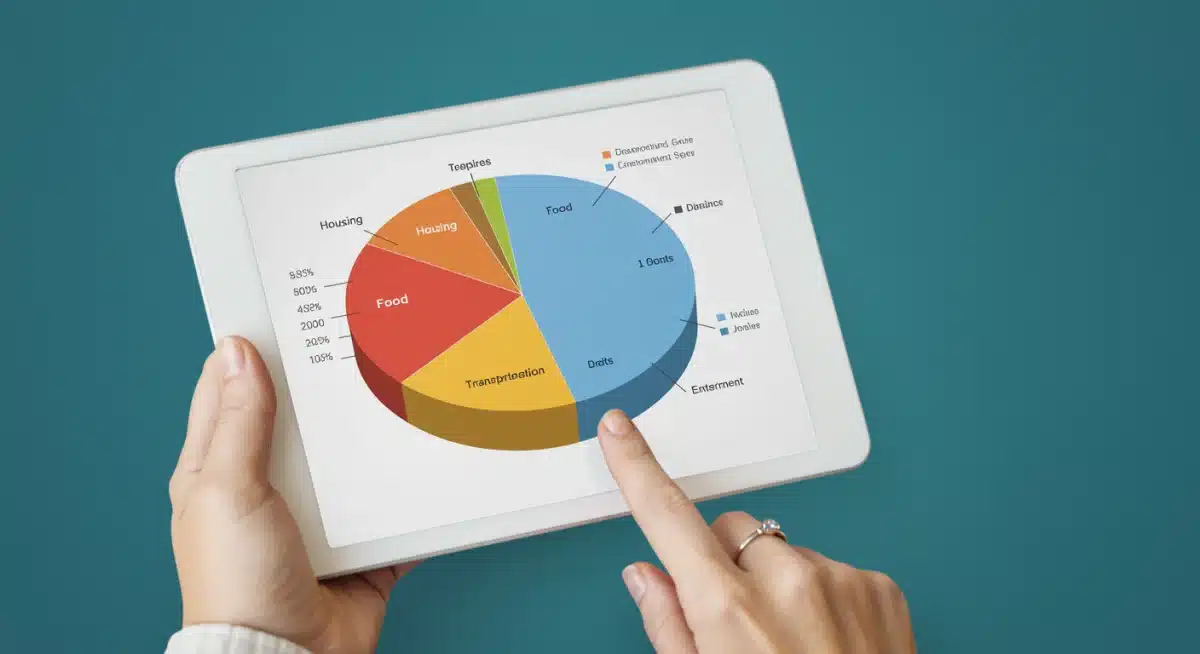
Consider areas like:
- Food: Eating out less, meal prepping, buying generic brands.
- Entertainment: Reducing paid subscriptions, seeking free activities.
- Transportation: Carpooling, using public transport, optimizing fuel efficiency.
- Shopping: Distinguishing needs from wants, waiting for sales, buying used.
Even small adjustments in multiple categories can quickly add up to a 10% reduction. For instance, canceling an unused subscription, packing lunch for work a few more days a week, or negotiating a lower rate on your internet bill can all contribute significantly. Be honest with yourself about what you can cut back on without feeling overly restricted. The goal is sustainable change, not temporary austerity that leads to burnout.
Implementing Effective Budgeting Strategies
Once you’ve identified where to cut, it’s time to put strategies into action. There are various budgeting methods, and the best one is the one you can stick to consistently. Whether you prefer a traditional spreadsheet, a budgeting app, or a more hands-on approach, consistency is key to success. The aim is to create a system that works seamlessly with your lifestyle.
Choosing the Right Budgeting Method
Some popular methods include the 50/30/20 rule (50% needs, 30% wants, 20% savings/debt), the zero-based budget (every dollar assigned a job), or the envelope system (cash allocated to specific categories). Experiment to find what resonates with you.
- 50/30/20 Rule: Simple and effective for broad allocation.
- Zero-Based Budgeting: Maximizes intentional spending and minimizes waste.
- Envelope System: Great for visual spenders and controlling cash flow.
- Budgeting Apps: Offer automation, tracking, and reporting features.
Automating your savings and bill payments is a powerful strategy to ensure you consistently meet your financial goals. Set up automatic transfers to your savings account immediately after your paycheck arrives. Similarly, schedule recurring bill payments to avoid late fees and ensure your fixed expenses are covered. This ‘set it and forget it’ approach minimizes the temptation to spend money that should be saved or used for bills.
Monitoring and Adjusting Your Budget Regularly
A budget is not a static document; it’s a living tool that needs regular review and adjustment. Life happens, and your financial situation will evolve throughout 2025. Monitoring your spending against your budget and making necessary adjustments ensures that you stay on track towards your 10% expense reduction goal and overall financial objectives.
Regular Budget Reviews
Set aside time weekly or bi-weekly to review your spending. Compare your actual expenditures to your budgeted amounts. Identify any discrepancies and understand why they occurred. This regular check-in helps you catch overspending early and make corrective actions before it derails your progress.
- Review transactions and categorize them accurately.
- Compare actual spending to budgeted amounts for each category.
- Identify areas of overspending or underspending.
- Adjust future spending plans based on current performance.
Don’t be afraid to adjust your budget. If a certain category is consistently over budget, it might indicate that your initial allocation was unrealistic, or that your spending habits need further modification. Conversely, if you find yourself consistently under budget in a particular area, you might have an opportunity to reallocate those funds towards a higher priority, such as debt repayment or increased savings. Flexibility and adaptability are crucial for long-term budgeting success.
Leveraging Technology for Budgeting Success
In 2025, technology offers an array of powerful tools to simplify and enhance your budgeting efforts. From sophisticated apps to online banking features, leveraging these resources can make tracking expenses, setting goals, and monitoring progress significantly easier and more efficient. The right tools can transform a daunting task into a manageable habit.
Exploring Budgeting Apps and Software
Many applications offer features like automatic transaction categorization, spending insights, goal tracking, and reminders. Popular options include Mint, YNAB (You Need A Budget), Personal Capital, and PocketGuard. Each has its unique strengths, so explore a few to find one that aligns with your needs and preferences.
- Mint: Free, comprehensive, good for overall financial tracking.
- YNAB: Focuses on zero-based budgeting, excellent for intentional spending.
- Personal Capital: Great for investment tracking alongside budgeting.
- PocketGuard: Simplifies spending, shows ‘what’s left to spend.’
Beyond dedicated budgeting apps, utilize the features offered by your bank or credit union. Many financial institutions provide robust online banking platforms that allow you to categorize transactions, set up alerts for spending limits, and even visualize your spending patterns. Integrating these tools into your daily financial routine can provide real-time insights and empower you to make informed decisions quickly, helping you stay on track to cut that 10% from your monthly expenses.
Long-Term Financial Health and Wealth Building
Cutting 10% from your monthly expenses in 2025 is not just about short-term savings; it’s a crucial step towards building long-term financial health and wealth. The habits you establish and the money you free up can be strategically invested to grow your net worth, secure your future, and achieve lasting financial stability. Think beyond the immediate savings and consider the ripple effect of your budgeting efforts.
Investing Your Savings Wisely
Once you consistently save that 10%, consider how to make that money work for you. Investing in a diversified portfolio, contributing to retirement accounts (401k, IRA), or paying down high-interest debt are all excellent ways to leverage your savings for future growth. The power of compound interest means that even small, consistent investments can yield significant returns over time.
- Prioritize high-interest debt repayment first.
- Maximize contributions to tax-advantaged retirement accounts.
- Explore diversified investment options like index funds or ETFs.
- Consider consulting a financial advisor for personalized guidance.
Maintaining financial discipline and continuously seeking opportunities to optimize your budget will serve you well beyond 2025. Regular financial check-ups, adapting to life changes, and educating yourself on personal finance topics will ensure your financial health continues to improve. The journey of budgeting is ongoing, but the rewards of financial freedom are immeasurable.
| Key Budgeting Step | Brief Description |
|---|---|
| Assess Finances | Understand current income and spending patterns. |
| Set SMART Goals | Define specific, measurable, achievable, relevant, time-bound objectives. |
| Identify Savings Areas | Pinpoint discretionary expenses for a 10% reduction. |
| Monitor & Adjust | Regularly review and adapt the budget to life changes. |
Frequently Asked Questions About 2025 Budgeting
The initial step involves meticulously tracking all your income and expenses for at least one month. This provides a clear picture of your financial inflows and outflows, which is essential before you can identify areas for potential savings and set realistic financial goals for the year ahead.
To cut 10% from your monthly expenses, focus on discretionary spending first. Analyze categories like dining out, entertainment, subscriptions, and impulse purchases. Small reductions across multiple areas, along with negotiating bills or finding cheaper alternatives, can quickly add up to your target.
Yes, budgeting apps are highly useful for personal budgeting in 2025. They offer features like automatic transaction categorization, spending insights, goal tracking, and real-time alerts. These tools streamline the budgeting process, making it easier to monitor progress and stay accountable to your financial goals.
You should review and adjust your budget regularly, ideally weekly or bi-weekly. This allows you to compare actual spending against your plan, identify any discrepancies early, and make necessary corrections. Life changes, so your budget should also be flexible enough to adapt to new circumstances.
Consistent personal budgeting leads to significant long-term benefits, including increased savings, reduced debt, enhanced financial literacy, and greater peace of mind. It empowers you to achieve financial goals, build an emergency fund, and strategically invest for future wealth, ensuring lasting financial health.
Conclusion
Embarking on personal budgeting 2025 with the clear goal of cutting 10% from your monthly expenses is a transformative step towards financial empowerment. By meticulously understanding your current financial landscape, setting achievable goals, strategically identifying areas for reduction, and diligently implementing and monitoring your budget, you set yourself up for success. Leveraging modern technology can further streamline this process, making it more accessible and sustainable. Remember, consistent effort and adaptability are the cornerstones of effective budgeting, leading not just to immediate savings but to a healthier, more secure financial future. Start today, and watch your financial picture improve dramatically throughout 2025 and beyond.