Teacher Shortage Crisis 2026: Recruiting & Retaining Educators

The 2026 initiatives directly address the escalating teacher shortage crisis in high-need areas by focusing on innovative recruitment and retention strategies for educators across the United States.
The teacher shortage crisis 2026 continues to be a pressing issue across the United States, particularly in high-need areas where educational disparities are most pronounced. This article delves into the proactive initiatives being implemented in 2026 aimed at both recruiting new talent into the teaching profession and retaining experienced educators, ensuring a stable and effective learning environment for all students.
Understanding the Scope of the Teacher Shortage Crisis in 2026
The teacher shortage isn’t a new phenomenon, but by 2026, it has intensified, exacerbated by factors ranging from an aging workforce to evolving societal expectations and competitive job markets. High-need schools, often located in rural or economically disadvantaged urban areas, bear the brunt of this crisis, struggling to fill critical positions in subjects like STEM, special education, and foreign languages. This persistent lack of qualified educators directly impacts student outcomes, widening achievement gaps and limiting opportunities for future generations.
The crisis extends beyond mere numbers; it affects the quality of education. Schools in shortage areas often resort to hiring underqualified teachers, increasing class sizes, or canceling essential courses. The long-term consequences include diminished student engagement, reduced college readiness, and a less competitive future workforce. Addressing this complex issue requires a multi-faceted approach that considers both immediate staffing needs and sustainable, long-term solutions.
Key Drivers of the Shortage
- Retirements and attrition rates: A significant portion of the teaching workforce is nearing retirement, and many mid-career educators are leaving the profession due to burnout or dissatisfaction.
- Decreased enrollment in teacher preparation programs: Fewer individuals are choosing teaching as a career path, leading to a shrinking pipeline of new educators.
- Uncompetitive salaries and benefits: In many districts, teacher salaries have not kept pace with the cost of living or with comparable professions, making teaching a less attractive option.
- Challenging working conditions: High-stress environments, lack of administrative support, and increasing demands on teachers contribute to dissatisfaction and departures.
Recognizing these drivers is the first step toward crafting effective interventions. The initiatives for 2026 aim to tackle these root causes head-on, creating a more appealing and sustainable profession for current and prospective educators. By understanding the full scope of the problem, policymakers and educational leaders can develop targeted strategies that yield tangible results for students and communities.
Innovative Recruitment Strategies for New Educators
In 2026, recruitment efforts are moving beyond traditional job fairs, embracing more dynamic and personalized approaches to attract a new generation of teachers. The focus is on early engagement, showcasing the profound impact of teaching, and providing clear pathways into the profession. These strategies are designed to cast a wider net, reaching individuals who might not have previously considered a career in education but possess the potential and passion to excel.
One significant shift involves leveraging technology and social media campaigns to highlight the positive aspects of teaching, featuring testimonials from successful educators and showcasing innovative classroom practices. Virtual recruitment events and interactive online platforms are becoming standard tools for reaching a diverse pool of candidates, including those from underrepresented backgrounds.
Targeted Outreach Programs
Districts are implementing programs that identify potential educators early, sometimes as early as high school. These programs offer mentorship, exposure to classroom environments, and even college scholarships contingent on pursuing an education degree and committing to teach in high-need areas. This proactive approach helps build a robust pipeline of future teachers.
- “Grow Your Own” initiatives: Local programs that recruit high school students or community members, providing them with support and funding to earn teaching credentials and commit to teaching in their home districts.
- Alternative certification pathways: Streamlined, rigorous programs for career changers with bachelor’s degrees in other fields, enabling them to transition into teaching more quickly while receiving essential training and mentorship.
- Military transition programs: Specific initiatives to recruit veterans, recognizing their leadership skills and dedication, and providing them with tailored training to become effective educators.
These recruitment strategies are not just about filling vacancies; they are about strategically building a resilient and diverse teaching workforce that reflects the student population. By making teaching a more accessible and attractive career, particularly for those passionate about serving their communities, the educational system can address the teacher shortage crisis 2026 more effectively.
Enhanced Financial Incentives and Support Systems
Financial considerations remain a significant barrier to entering and staying in the teaching profession. For 2026, there’s a renewed emphasis on providing substantial financial incentives and robust support systems to make teaching a more viable and rewarding career choice. These initiatives aim to alleviate the economic pressures that often deter potential educators and drive experienced ones away, especially in high-need districts.
Beyond salary increases, programs are being introduced to address student loan debt, housing costs, and professional development expenses. The goal is to create a comprehensive package that not only attracts talent but also ensures their financial stability and professional growth throughout their careers. This holistic approach recognizes that a teacher’s well-being directly impacts their effectiveness in the classroom.
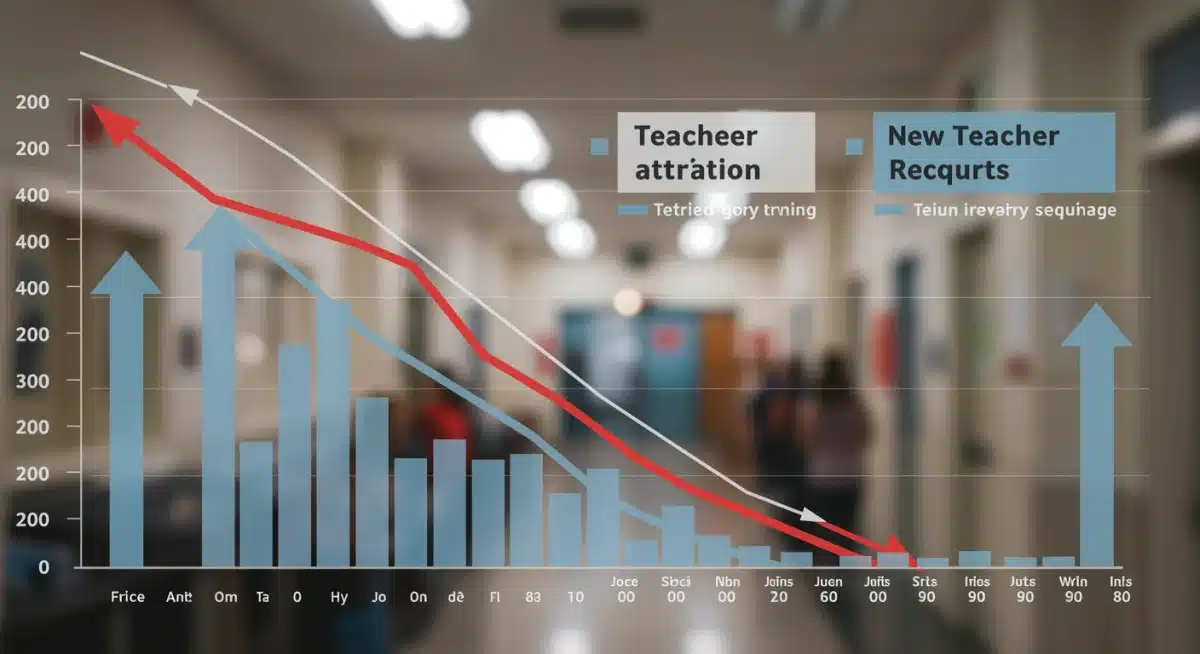

Key Financial and Support Mechanisms
- Student loan forgiveness programs: Expanded federal and state programs specifically targeting educators who commit to teaching in high-need schools for a set number of years.
- Housing assistance initiatives: Partnerships with local governments and non-profits to provide affordable housing options or subsidies for teachers in areas with high cost of living.
- Performance-based bonuses: Incentives for teachers who demonstrate exceptional student growth or take on leadership roles, particularly in challenging environments.
- Mentorship stipends and professional development funds: Providing financial recognition for experienced teachers who mentor new recruits, and ensuring all educators have access to continuous learning opportunities.
These financial and support systems are crucial for making teaching a sustainable career. By investing in educators, communities are investing in their future, directly combating the teacher shortage crisis 2026 and fostering a more equitable educational landscape for all students. This commitment to educator well-being is a cornerstone of the 2026 initiatives.
Strengthening Professional Development and Career Pathways
Retaining teachers is as critical as recruiting them, and robust professional development coupled with clear career pathways plays a pivotal role in achieving this. By 2026, educational systems are focusing on creating environments where teachers feel valued, supported, and see opportunities for growth within their profession. This goes beyond mandatory training, aiming for personalized development that aligns with individual goals and school needs.
Effective professional development is no longer a one-size-fits-all model. It is tailored to address specific challenges, such as integrating new technologies, differentiating instruction for diverse learners, or managing complex classroom dynamics. Furthermore, creating clear pathways for advancement within the school system, beyond just becoming an administrator, helps retain highly effective teachers in the classroom or in specialized instructional roles.
Career Growth and Support
- Differentiated professional learning: Offering a variety of workshops, online modules, and peer coaching opportunities that cater to different experience levels and subject areas.
- Teacher leadership roles: Creating opportunities for experienced teachers to lead curriculum development, mentor new staff, or serve as instructional coaches without leaving the classroom entirely.
- Residency programs: Extended, year-long training programs that pair aspiring teachers with veteran mentors, providing intensive practical experience and gradual entry into the profession.
- Well-being and mental health support: Providing resources and programs to help teachers manage stress and prevent burnout, recognizing the demanding nature of the profession.
These initiatives are designed to foster a culture of continuous learning and support, ensuring that teachers feel equipped to handle the challenges of their profession and motivated to stay. By investing in their professional growth and well-being, schools can significantly reduce attrition and strengthen the teaching workforce, addressing a core component of the teacher shortage crisis 2026.
Policy Adjustments and Legislative Support in 2026
Addressing the teacher shortage crisis requires more than just local school district efforts; it demands significant policy adjustments and legislative support at both state and federal levels. In 2026, lawmakers are increasingly recognizing the urgency of the situation and are implementing policies designed to create a more supportive regulatory environment for educators and educational institutions, particularly those in high-need areas.
These policy changes often include funding allocations, regulatory reforms, and incentives for states and districts to adopt best practices. The goal is to remove bureaucratic hurdles, provide necessary resources, and foster innovation in teacher recruitment and retention. Without strong legislative backing, many localized initiatives would struggle to achieve widespread or sustainable impact.
Key Legislative and Policy Interventions
- Increased federal and state funding: Direct financial aid to districts struggling with teacher shortages, often earmarked for salary increases, bonuses, and professional development.
- Streamlined certification processes: Reforms to make teacher certification more accessible and reciprocal across states, while maintaining high standards, to ease mobility for educators.
- Data-driven policy making: Mandates for better data collection on teacher attrition and shortage areas to inform more targeted and effective policy interventions.
- Support for rural and urban schools: Specific legislative packages designed to address the unique challenges faced by schools in geographically isolated or economically distressed areas.
These legislative efforts are critical for creating a systemic change that can effectively combat the teacher shortage crisis 2026. By aligning policy with the needs of educators and students, governments can lay the groundwork for a more stable and high-quality educational system nationwide. This coordinated approach ensures that resources are directed where they are most needed.
Community Engagement and Public Perception
Beyond policy and financial incentives, fostering positive community engagement and improving the public perception of the teaching profession are vital components of the 2026 strategy to combat the teacher shortage. When communities actively support their schools and teachers, it creates a more attractive and sustainable environment for educators, encouraging both recruitment and retention.
Efforts are being made to highlight the immense value and impact of teachers, elevating their status within society. This involves public awareness campaigns, community partnerships, and celebrating educators’ achievements. A positive public image can inspire more individuals to consider teaching and reinforce the commitment of those already in the profession. It shifts the narrative from a job to a respected calling.
Building Stronger School-Community Bonds
- Public awareness campaigns: Media initiatives showcasing the positive impact of teachers and the critical role they play in community development and student success.
- Volunteer programs: Encouraging community members to volunteer in schools, fostering a sense of shared responsibility and allowing them to witness teachers’ dedication firsthand.
- Business partnerships: Collaborations with local businesses to offer perks, discounts, or mentorship opportunities for teachers, demonstrating community appreciation.
- Teacher appreciation events: Regular events and recognition programs organized by community groups and school districts to celebrate and honor educators.
By actively engaging communities and working to enhance the public perception of teaching, schools can create a supportive ecosystem that attracts and retains talented individuals. This collective effort is instrumental in addressing the teacher shortage crisis 2026, ensuring that educators feel valued and supported by the communities they serve.
Looking Ahead: Long-Term Sustainability and Future Outlook
The initiatives targeting the teacher shortage crisis 2026 are not just short-term fixes; they represent a concerted effort to build long-term sustainability within the education sector. The focus is on creating a resilient system that can adapt to future challenges and continue to attract and retain high-quality educators for decades to come. This forward-thinking approach involves continuous evaluation, adaptation, and investment in the educational pipeline.
Future outlooks suggest a need for ongoing innovation in teacher preparation, continued advocacy for competitive compensation, and sustained efforts to improve working conditions. The aim is to make teaching a top-tier profession, one that is highly respected, adequately compensated, and professionally fulfilling. This will require continued collaboration between policymakers, educational leaders, communities, and educators themselves.
Strategies for Enduring Impact
- Continuous data analysis: Regularly monitoring teacher supply and demand, attrition rates, and the effectiveness of various initiatives to inform ongoing adjustments.
- Investment in education research: Funding studies to understand emerging trends in education and identify best practices for teacher development and retention.
- Promoting diversity in the workforce: Ongoing efforts to recruit and support teachers from diverse backgrounds, ensuring the teaching force reflects the student population.
- Advocacy for systemic change: Sustained lobbying efforts for policies that prioritize education funding and teacher well-being at all levels of government.
The long-term success in overcoming the teacher shortage will depend on a sustained commitment to these comprehensive strategies. By fostering a culture of support, innovation, and appreciation for educators, the United States can ensure a brighter educational future for all its students, effectively resolving the teacher shortage crisis 2026 and beyond.
| Key Initiative | Brief Description |
|---|---|
| Targeted Recruitment | Programs like “Grow Your Own” and alternative certification to attract diverse talent to high-need areas. |
| Financial Incentives | Student loan forgiveness, housing aid, and performance bonuses to make teaching more financially attractive. |
| Professional Development | Differentiated learning, leadership roles, and mentorship to support teacher growth and retention. |
| Policy Support | Increased funding, streamlined certification, and data-driven policies to create a supportive environment. |
Frequently Asked Questions About the 2026 Teacher Shortage Initiatives
The primary causes include an aging workforce leading to retirements, decreased enrollment in teacher preparation programs, and uncompetitive salaries. Challenging working conditions and high attrition rates also contribute significantly to the ongoing scarcity of qualified educators.
“Grow Your Own” initiatives recruit local individuals, such as high school students or community members, and provide them with support and funding to become certified teachers. They commit to teaching in their home districts, fostering local talent and ensuring a consistent supply of educators.
New teachers in high-need areas can benefit from student loan forgiveness, housing assistance programs, and performance-based bonuses. These incentives aim to alleviate financial burdens and make teaching a more attractive and sustainable career choice for aspiring educators.
Professional development in 2026 is becoming more personalized and differentiated, offering tailored workshops, peer coaching, and leadership roles. This approach aims to address specific teacher needs, support continuous growth, and prevent burnout, encouraging long-term commitment to the profession.
Community engagement is crucial for improving public perception and support for teachers. Public awareness campaigns, volunteer programs, and business partnerships help elevate the status of educators, creating a supportive environment that attracts and retains talented individuals in the teaching profession.
Conclusion
The teacher shortage crisis 2026 demands a comprehensive and collaborative response, and the initiatives outlined in this article demonstrate a robust commitment to addressing this complex challenge. By focusing on innovative recruitment, substantial financial incentives, enhanced professional development, supportive policy adjustments, and active community engagement, the United States is taking significant steps toward building a resilient and high-quality teaching workforce. The success of these efforts will not only alleviate immediate staffing shortages but also foster a more equitable and effective educational system for generations to come, ensuring that every student has access to the dedicated and skilled educators they deserve.