Personal Budgeting in 2026: Achieving a 15% Savings Rate

Personal budgeting in 2026 is crucial for navigating dynamic economic trends and achieving a 15% savings rate by strategically managing income and expenses effectively.
As we step into 2026, the landscape of personal finance continues to evolve, making effective personal budgeting in 2026 more critical than ever. This guide will walk you through the essential strategies and insights needed to not only manage your money wisely but also to achieve an ambitious 15% savings rate amidst current economic trends. Understanding and adapting to these shifts is key to securing your financial future.
Understanding the 2026 Economic Landscape
The year 2026 presents a unique economic environment shaped by various global and domestic factors. Inflationary pressures, interest rate fluctuations, and technological advancements are significantly impacting household finances. A clear understanding of these dynamics is the first step toward effective budgeting.
We are seeing shifts in employment markets, with a growing emphasis on gig economy work and remote opportunities. This flexibility can offer both challenges and advantages for income stability and financial planning. Furthermore, geopolitical events continue to influence supply chains and commodity prices, which directly affect consumer spending power.
Key Economic Indicators for 2026
- Inflation Rates: Monitoring inflation is crucial as it directly impacts your purchasing power and the real value of your savings.
- Interest Rates: High interest rates can benefit savers but increase borrowing costs, affecting loans and credit card debt.
- Job Market Trends: Understanding industry growth or decline can help you plan for income stability or explore new opportunities.
- Technological Disruption: AI and automation are reshaping industries, potentially creating new income streams or requiring skill adaptation.
Navigating these economic currents requires a proactive approach to your finances. By staying informed and anticipating changes, you can make smarter decisions about where to allocate your resources. This foundational knowledge empowers you to build a resilient budget that can withstand economic volatility and capitalize on opportunities.
Setting Your 15% Savings Goal: Why It Matters
Aiming for a 15% savings rate is not an arbitrary number; it’s a widely recommended benchmark for achieving significant financial milestones. This rate allows for a healthy balance between current spending and future financial security. It provides a buffer against unforeseen expenses, supports long-term goals like retirement, and fosters a sense of financial freedom.
Many financial experts advocate for a 15% savings rate as a minimum target, especially for those in their prime earning years. It’s often the sweet spot that enables you to save enough for retirement, a down payment on a home, or your children’s education, without feeling overly deprived in the present. This goal is attainable with discipline and strategic financial planning.
The Power of Compounding
One of the most compelling reasons to prioritize a 15% savings rate is the incredible power of compounding. When your savings earn returns, and those returns then earn their own returns, your money grows exponentially over time. Even small, consistent contributions can lead to substantial wealth accumulation thanks to this principle.
Consider two individuals: one saving 5% and another saving 15% of their income. Over 20 or 30 years, the difference in their accumulated wealth will be staggering, assuming similar rates of return. This highlights why starting early and maintaining a higher savings rate is so beneficial.
Achieving a 15% savings rate provides a solid foundation for financial independence. It mitigates the impact of economic downturns and allows you to pursue opportunities without being constrained by financial limitations. This goal promotes a disciplined approach to money management that pays dividends well into the future.
Crafting Your 2026 Budget: Essential Strategies
Creating an effective budget for 2026 involves more than just tracking expenses; it requires a strategic framework that aligns with your financial goals and adapts to the current economic climate. The goal is to maximize your savings while maintaining a comfortable lifestyle.
Start by analyzing your income and all your expenses, both fixed and variable. Utilize budgeting apps or spreadsheets to gain a clear picture of where your money is going. This initial audit is critical for identifying areas where you can reduce spending and reallocate funds towards your 15% savings target.
Budgeting Methods to Consider
- Zero-Based Budgeting: Assign every dollar a job, ensuring no money is left unaccounted for. This method provides maximum control over your finances.
- 50/30/20 Rule: Allocate 50% of your income to needs, 30% to wants, and 20% to savings and debt repayment. Adjust the savings portion to 15% or higher.
- Envelope System: For cash spenders, this method involves physically allocating cash into envelopes for different spending categories.
Beyond choosing a method, consistency is key. Regularly review your budget to ensure it remains relevant to your income, expenses, and financial aspirations. Life circumstances change, and your budget should be flexible enough to accommodate these shifts without derailing your savings efforts. Effective budgeting is an ongoing process of adjustment and refinement.
Optimizing Income and Expenses for Higher Savings
To consistently hit a 15% savings rate, you must actively seek ways to both increase your income and reduce your expenditures. This dual approach provides the most effective path to accelerating your financial goals. Focus on actionable steps that create a tangible impact on your bottom line.
On the income side, consider exploring side hustles, negotiating a raise, or investing in skills development that can lead to higher-paying opportunities. Even small increases in income, when consistently saved, can significantly boost your overall savings rate. Don’t underestimate the power of diversified income streams in today’s economy.
Strategies for Expense Reduction
Reducing expenses doesn’t necessarily mean sacrificing quality of life. It’s about making conscious choices and finding efficiencies. Start by reviewing subscription services you rarely use, negotiating lower rates on recurring bills like internet or insurance, and planning meals to cut down on dining out.
Additionally, consider optimizing larger expenses. Could refinancing a loan save you money on interest? Are there more energy-efficient practices you can adopt at home to lower utility bills? Every dollar saved is a dollar that can be put towards your 15% savings goal. It’s often the cumulative effect of many small changes that leads to the biggest impact.
By proactively managing both sides of your financial equation, you gain greater control over your money. This strategic optimization allows you to accelerate your progress towards a 15% savings rate, ensuring that your financial goals are not just aspirations but achievable realities.
Leveraging Technology for Smart Budgeting
In 2026, technology is an indispensable ally in personal finance. A plethora of apps and digital tools can automate savings, track spending, and provide insightful analytics, making the budgeting process significantly easier and more efficient. Embracing these tools can be a game-changer for achieving your 15% savings goal.
Many budgeting apps offer features like automatic categorization of expenses, bill reminders, and goal-tracking. Some even provide personalized recommendations based on your spending habits, helping you identify areas for improvement. The convenience and accuracy offered by these tools free up your time and reduce the mental load associated with managing finances.
Top Tech Tools for Budgeting in 2026
- Budgeting Apps: Platforms like Mint, YNAB (You Need A Budget), and Personal Capital offer comprehensive financial tracking and planning.
- Automated Savings Apps: Apps such as Acorns or Digit can round up purchases and automatically transfer small amounts to savings or investments.
- Investment Platforms: Robo-advisors like Betterment or Wealthfront simplify investing, allowing you to grow your savings passively.
Beyond dedicated budgeting apps, many banks offer robust online banking platforms with integrated budgeting features. These can provide a holistic view of your accounts, making it easier to monitor your progress toward your savings goals. The key is to find tools that fit your personal preferences and integrate seamlessly into your financial routine.
By effectively leveraging technology, you can streamline your financial management, reduce the likelihood of human error, and gain deeper insights into your spending patterns. This technological advantage is crucial for maintaining consistency and reaching your 15% savings rate in the dynamic economic environment of 2026.
Adapting to Market Volatility and Future-Proofing Savings
The economic landscape in 2026 is characterized by its inherent volatility, making it essential to adapt your savings strategy to protect and grow your wealth. Future-proofing your savings means building resilience and flexibility into your financial plan, ensuring you can weather economic storms and seize opportunities.
Diversification is a cornerstone of this strategy. Do not put all your eggs in one basket; spread your investments across different asset classes, industries, and geographies. This approach helps mitigate risk and can provide more stable returns even when certain market segments are underperforming.
Key Strategies for Market Adaptation
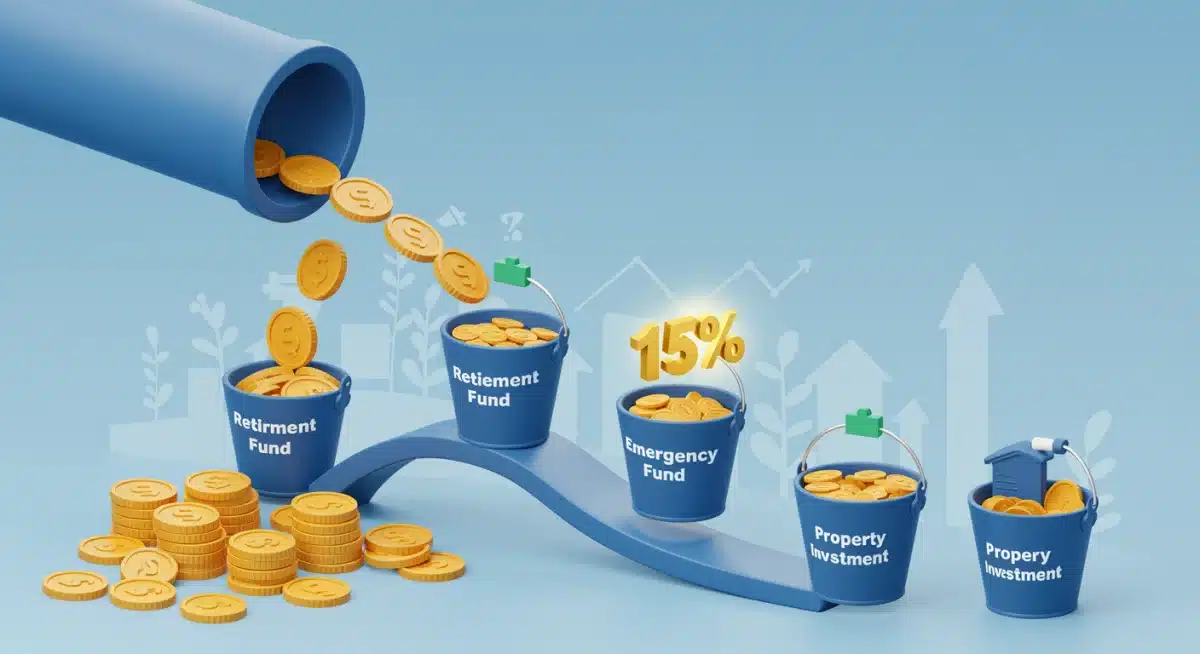
- Emergency Fund: Maintain a robust emergency fund covering 3-6 months of essential living expenses. This provides a critical safety net during unexpected events.
- Diversified Investments: Explore a mix of stocks, bonds, real estate, and potentially alternative investments to reduce overall portfolio risk.
- Regular Portfolio Review: Periodically assess your investment portfolio to ensure it aligns with your risk tolerance and financial goals, making adjustments as needed.
Beyond investment diversification, consider diversifying your income streams. Relying on a single source of income can be risky. Exploring side hustles, freelance work, or developing new skills can provide additional financial stability and contribute to your savings even during economic uncertainties. This multi-faceted approach to financial planning ensures that your 15% savings rate is not only achieved but also sustained and grown over time, regardless of market fluctuations.
| Key Point | Brief Description |
|---|---|
| Economic Awareness | Understand 2026 economic trends (inflation, interest rates, job market) to inform budgeting decisions. |
| 15% Savings Goal | Aim for a 15% savings rate for long-term financial security and to leverage compounding growth. |
| Budgeting Strategies | Utilize methods like zero-based budgeting or the 50/30/20 rule for effective money management. |
| Tech Integration | Employ budgeting apps and automated tools to streamline tracking and boost savings efficiency. |
Frequently Asked Questions About 2026 Personal Budgeting
The primary challenges in 2026 include persistent inflation, fluctuating interest rates, and potential job market shifts due to technological advancements. These factors require adaptive budgeting and a focus on financial resilience to maintain purchasing power and savings goals.
Achieving a 15% savings rate on an average income is possible by optimizing expenses, exploring side income opportunities, and automating savings. Start by identifying non-essential spending, negotiating bills, and setting up automatic transfers to a savings account.
Technology is crucial for 2026 budgeting. Apps and digital platforms offer automated expense tracking, savings automation, and investment portfolio management. They provide real-time insights and simplify the process, making it easier to monitor progress towards financial goals.
Yes, it’s prudent to periodically review and potentially adjust your investment strategy. Diversification across various asset classes can mitigate risks associated with market volatility. Consider consulting a financial advisor to align your portfolio with current economic forecasts and personal goals.
Common mistakes include not tracking all expenses, failing to set clear financial goals, ignoring inflation’s impact, and not regularly reviewing your budget. Avoid being too rigid; flexibility and regular adjustments are key to successful budgeting in an evolving economy.
Conclusion
Mastering personal budgeting in 2026 is an achievable and essential endeavor for anyone seeking financial stability and growth. By understanding the prevailing economic trends, setting a clear 15% savings goal, implementing effective budgeting strategies, optimizing income and expenses, and leveraging modern technology, you can navigate the complexities of the financial world with confidence. Adaptability and consistency are your greatest assets in this journey, ensuring that your financial future is not just secure, but also prosperous.