Budgeting for Big Purchases 2026: Your 3-Month Saving Plan

Are you dreaming of a new home, a significant investment, or perhaps that once-in-a-lifetime trip? Big purchases require meticulous planning and a solid financial strategy. As we look ahead to 2026, the time to start budgeting for big purchases is now. This comprehensive guide will walk you through a detailed 3-month plan, designed to help you accumulate the necessary funds, whether it’s for a down payment, a significant investment, or any other substantial financial goal. By focusing on smart saving, expense reduction, and strategic financial moves, you can turn your aspirations into reality.
The journey to making a substantial purchase can seem daunting, but with a structured approach, it becomes manageable and even empowering. Our 3-month plan is broken down into actionable steps, ensuring that you build momentum and stay on track. We’ll cover everything from setting clear financial goals and creating a realistic budget to identifying areas for savings and exploring avenues for increasing your income. The key to successful budgeting for big purchases lies in consistency and discipline, coupled with a clear understanding of your financial landscape.
This article is not just about saving; it’s about transforming your financial habits and developing a mindset that prioritizes your long-term goals. By the end of this guide, you’ll have a robust framework to not only achieve your 2026 big purchase goals but also to foster lasting financial well-being. Let’s dive in and start building your financial future, one strategic step at a time.
Understanding Your Financial Landscape: The First Step in Budgeting for Big Purchases
Before you can effectively start budgeting for big purchases, you need a clear, honest assessment of your current financial situation. This foundational step is crucial for setting realistic goals and identifying where adjustments can be made. Think of it as drawing a financial map – you need to know where you are before you can plan your route to your desired destination. This involves a thorough review of your income, expenses, assets, and liabilities.
Assess Your Income Streams
Start by listing all your sources of income. This includes your primary salary, any side hustles, rental income, dividends, or other regular inflows of cash. Be precise with your figures, using net income (after taxes and deductions) as this is the money you actually have available. Understanding your total monthly income is the baseline for all your financial planning.
Track and Categorize Your Expenses
This is often the most revealing part of the exercise. For at least one month, meticulously track every single dollar you spend. This can be done using budgeting apps, spreadsheets, or even a simple notebook. Categorize your expenses into fixed costs (rent/mortgage, loan payments, insurance, subscriptions) and variable costs (groceries, dining out, entertainment, transportation). Many people are surprised to discover where their money actually goes. This detailed tracking is indispensable when budgeting for big purchases, as it highlights potential areas for reduction.
Evaluate Your Assets and Liabilities
Beyond income and expenses, consider your overall financial health. List your assets – savings accounts, investment portfolios, real estate, and other valuable possessions. Then, list your liabilities – credit card debt, personal loans, student loans, and any other money you owe. Your net worth (assets minus liabilities) provides a snapshot of your financial standing and helps you understand the resources you have available or the debts you need to manage before committing to a big purchase.
Set Clear, Measurable Financial Goals
Once you have a clear picture of your finances, it’s time to define your big purchase goal. How much do you need to save? By when? For example, if you’re aiming for a $50,000 down payment on a house by December 2026, and you’re starting in October 2026, you have three months to accumulate that amount. This means you need to save approximately $16,667 per month. This specificity is vital for effective budgeting for big purchases. Break down your ultimate goal into smaller, monthly, or even weekly targets. This makes the goal less overwhelming and easier to track.
By diligently completing this initial assessment, you lay a strong foundation for the subsequent steps in your 3-month budgeting plan. Without this clarity, any attempts at saving will be less effective and potentially frustrating. This stage is about gaining control and insight, empowering you to make informed decisions about your money.
Month 1: Aggressive Saving and Expense Reduction
The first month of your 3-month plan is all about making significant moves. This is where you put your financial assessment into action, aggressively cutting unnecessary expenses and optimizing your savings. The goal is to create immediate momentum and free up as much cash as possible to kickstart your budgeting for big purchases.
Establish a Strict Budget
Based on your expense tracking, create a detailed budget that allocates every dollar. Use the 50/30/20 rule as a guideline (50% needs, 30% wants, 20% savings/debt repayment), but be prepared to adjust it significantly for your big purchase goal. For instance, you might aim for a 60/10/30 split (60% needs, 10% wants, 30% savings) or even more aggressive. The key is to prioritize your savings goal above almost everything else during this intensive period. When budgeting for big purchases, every penny counts.
Identify and Eliminate Non-Essential Spending
Go through your variable expenses with a fine-tooth comb. Are there subscriptions you don’t use? Can you cut back on dining out, daily coffees, or impulse purchases? Even small, daily expenditures add up quickly. Consider a ‘no-spend’ challenge for a week or two to see just how much you can save. This isn’t about deprivation indefinitely, but a temporary, focused effort to boost your savings for your big purchase.
Negotiate Bills and Shop for Better Deals
Don’t be afraid to call your service providers – internet, cable, mobile phone – and negotiate for lower rates. Explore switching insurance providers for better premiums. Look for cheaper alternatives for groceries or household items. These seemingly minor adjustments can free up significant funds each month, directly contributing to your goal of budgeting for big purchases.
Automate Your Savings
One of the most effective strategies is to make saving automatic. Set up an automatic transfer from your checking account to a dedicated savings account each payday. Treat this saving as a non-negotiable expense, just like rent or a loan payment. This ensures that a portion of your income goes directly towards your big purchase goal before you have a chance to spend it. This automation is a cornerstone of successful budgeting for big purchases.
Consider a Temporary Side Hustle
If your current income isn’t sufficient to meet your aggressive savings targets, explore options for increasing your income. This could be freelancing, selling unused items, or taking on temporary contract work. Even a few hundred extra dollars a month can make a substantial difference in your 3-month timeline for budgeting for big purchases.
By the end of Month 1, you should have a clear, actionable budget, a significant reduction in discretionary spending, and a noticeable increase in your dedicated savings. This initial push is vital for building confidence and demonstrating to yourself that your big purchase goal is achievable.
Month 2: Optimizing and Accelerating Your Savings
Having established a strong foundation in Month 1, Month 2 focuses on refining your strategy and accelerating your savings. This phase involves digging deeper into your financial habits and exploring more advanced saving techniques. The aim is to maintain the momentum and further optimize your budgeting for big purchases.
Review and Adjust Your Budget
At the beginning of Month 2, review your spending from Month 1. Did you stick to your budget? Were there unexpected expenses? Adjust your budget as needed, making it more realistic while still pushing towards your savings goal. This iterative process is key to long-term financial success. Perhaps you found an area where you could cut even more, or maybe you underestimated a necessary expense. Flexibility within a strict framework is important when budgeting for big purchases.
Implement the ‘Envelope System’ or Digital Equivalent for Variable Expenses
For categories like groceries, entertainment, and dining out, consider using the envelope system. Allocate a specific cash amount for these categories at the beginning of the month, and once the cash is gone, you stop spending in that category. Digitally, you can use budgeting apps that allow you to set spending limits and track against them in real-time. This method provides a tangible way to control variable spending, directly impacting your ability to save for big purchases.
Explore Debt Reduction Strategies (If Applicable)
If you have high-interest debt, such as credit card balances, consider allocating a portion of your extra funds towards paying these down. While your primary goal is budgeting for big purchases, reducing high-interest debt can free up more disposable income in the long run and improve your overall financial health. The money you save on interest can then be redirected to your savings goal.
Seek Out Additional Income Opportunities
Beyond temporary side hustles, think about more sustainable ways to increase your income. Can you ask for a raise at work, take on more hours, or develop a skill that allows for higher-paying freelance gigs? Every additional dollar earned, especially if it can be directly channeled into your savings, significantly shortens the time it takes to reach your big purchase goal. This proactive approach is a powerful tool when budgeting for big purchases.
Leverage Financial Tools and Apps
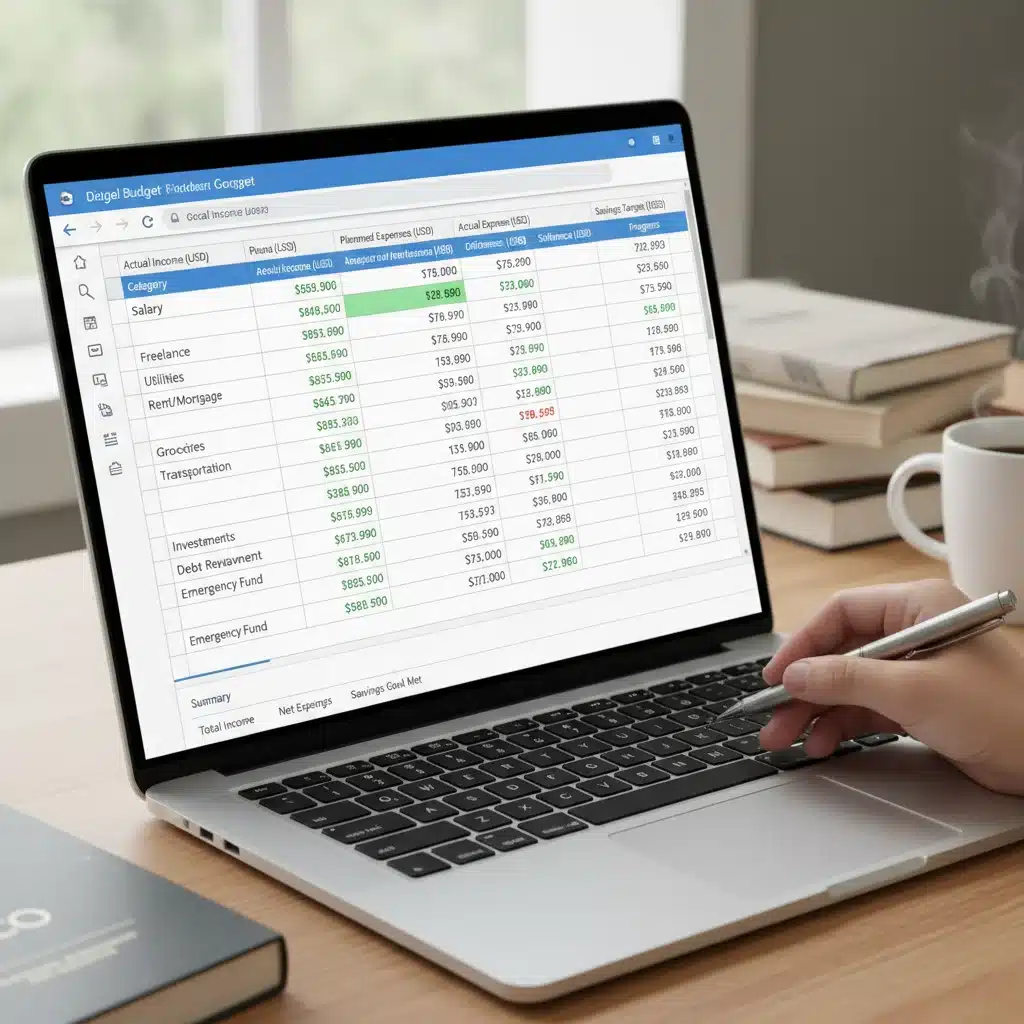
Utilize modern financial technology to your advantage. Many budgeting apps offer features like expense tracking, goal setting, and even investment options. These tools can provide valuable insights into your spending habits and help you stay accountable to your savings targets. Some even offer ’round-up’ features, where spare change from purchases is automatically transferred to your savings, subtly boosting your funds for big purchases.
Educate Yourself on Your Big Purchase
While you’re saving, take the time to thoroughly research your big purchase. If it’s a house, understand the current market, different mortgage options, and closing costs. If it’s an investment, learn about the risks and potential returns. The more knowledgeable you are, the better equipped you’ll be to make a wise decision when the time comes. This research can also motivate you further in your budgeting for big purchases efforts.
By the end of Month 2, you should feel a greater sense of control over your finances, with a clear path forward and a substantial amount accumulated towards your big purchase. The habits you’re building now will serve you well beyond this 3-month plan.
Month 3: Final Push and Strategic Allocation
Month 3 is the home stretch. This is where you make your final adjustments, ensure you’ve maximized your savings, and strategically plan for the actual purchase. This period requires continued discipline and a keen eye on your goal of budgeting for big purchases.
Recalculate and Reconfirm Your Goal
Review your progress. Have you met your savings targets for the first two months? Is your big purchase still the same amount, or have market conditions changed? Reconfirm the exact amount you need and make a final push to hit that number. If you’re slightly behind, identify any last-minute cuts or income-generating opportunities.
Optimize Your Savings Account
Ensure your savings are in an account that offers a competitive interest rate. While you won’t earn a fortune in three months, every little bit helps. High-yield savings accounts can provide a small but welcome boost to your accumulated funds, contributing to your budgeting for big purchases.
Review and Cancel Unused Subscriptions/Services
Do a final audit of all your recurring expenses. Are there any streaming services, gym memberships, or software subscriptions you haven’t used recently? Canceling these can free up a small but significant amount of cash for your final push. This is a common area where money leaks out unnoticed.
Plan for the Purchase Process
Once you’re close to your savings goal, shift some focus to the logistics of the purchase itself. If it’s a down payment, start gathering necessary documents for a mortgage application. If it’s an investment, research brokers or platforms. Understanding the process will help you feel more prepared and reduce stress when the time comes. This preparation is an integral part of budgeting for big purchases.
Create a Post-Purchase Budget
Don’t stop budgeting once you’ve made the big purchase. Create a new budget that incorporates your new financial realities. If you bought a house, factor in mortgage payments, property taxes, insurance, and maintenance costs. If you made an investment, understand its ongoing implications. Sustainable financial planning means looking beyond the immediate goal. This forward-thinking approach is essential for long-term financial health, especially after budgeting for big purchases.

Celebrate Your Achievement (Responsibly)
Once you’ve successfully achieved your big purchase goal, take a moment to celebrate! You’ve worked hard and shown incredible discipline. Just remember to do so responsibly, ensuring you don’t undo all your hard work with an extravagant celebration. Acknowledging your success reinforces positive financial habits and motivates you for future goals.
Common Pitfalls to Avoid When Budgeting for Big Purchases
Even with the best intentions, several common mistakes can derail your efforts when budgeting for big purchases. Being aware of these pitfalls can help you navigate your 3-month plan more effectively.
Unrealistic Expectations
Setting overly ambitious savings goals without a clear understanding of your income and expenses is a recipe for frustration. It’s better to set achievable targets and exceed them than to aim too high and fall short, leading to discouragement. Be honest with yourself about what you can realistically save each month.
Lack of Consistency
Budgeting for big purchases isn’t a one-time event; it requires continuous effort. Skipping a month of tracking or falling back into old spending habits can quickly undo your progress. Treat your budget as a living document that needs regular attention.
Ignoring Small Expenses
The ‘latte factor’ is real. While individually small, daily purchases can accumulate into significant sums over time. Don’t overlook these seemingly minor expenses; they are often the easiest to cut and can significantly boost your savings for big purchases.
Not Having an Emergency Fund
Diverting all your extra cash to your big purchase goal without an adequate emergency fund can be risky. Life happens, and unexpected expenses can force you to dip into your savings for your big purchase, setting you back. Aim to have at least 3-6 months of living expenses saved in a separate emergency fund before aggressively saving for a big purchase.
Falling for Lifestyle Creep
As your income increases, it’s easy for your spending to increase along with it. This ‘lifestyle creep’ can make it difficult to save for big purchases, even with a higher salary. Be mindful of your spending habits and resist the urge to upgrade your lifestyle unnecessarily during your saving period.
Not Tracking Your Progress
Without regularly reviewing your savings, it’s hard to stay motivated or make necessary adjustments. Use spreadsheets, apps, or a simple notebook to keep tabs on your progress. Seeing your savings grow is a powerful motivator when budgeting for big purchases.
Giving Up Too Soon
There will be days or weeks when sticking to your budget feels challenging. Don’t give up! Financial planning is a journey, not a sprint. If you slip up, acknowledge it, adjust, and get back on track. Persistence is key to successfully budgeting for big purchases.
Beyond the 3-Month Plan: Sustaining Financial Success
While this 3-month plan provides an intensive framework for budgeting for big purchases, the principles and habits you develop during this period are invaluable for your long-term financial health. Think of this as a rigorous training camp that prepares you for a lifetime of financial discipline and goal achievement.
Make Budgeting a Habit
The habit of regular budgeting should continue even after you’ve made your big purchase. Your financial situation will evolve, and having a current budget ensures you’re always in control of your money. This ongoing practice is fundamental to sustained financial well-being.
Continue Automating Savings and Investments
Automate transfers not just for savings, but also for investments. Whether it’s contributing to a retirement account, a brokerage account, or a college fund, consistent, automated contributions are a powerful way to build wealth over time. The discipline learned from budgeting for big purchases can be directly applied here.
Regularly Review Financial Goals
Your financial goals will change as you move through different life stages. Regularly review and update them. Perhaps your next big purchase will be retirement, a child’s education, or another significant investment. Having clear, evolving goals keeps you motivated and provides direction for your financial planning.
Build and Maintain a Robust Emergency Fund
As mentioned earlier, an emergency fund is non-negotiable. Continue to build and maintain it, ensuring it’s sufficient to cover several months of living expenses. This financial safety net provides peace of mind and prevents unexpected events from derailing your other financial goals.
Educate Yourself Continuously
The world of personal finance is constantly changing. Stay informed about new investment opportunities, tax laws, and economic trends. The more you know, the better equipped you’ll be to make smart financial decisions and adapt your strategies. Continuous learning is a hallmark of effective personal finance management, building on the foundation of budgeting for big purchases.
Seek Professional Advice When Needed
Don’t hesitate to consult with a financial advisor, especially for complex financial decisions like significant investments, retirement planning, or estate planning. A professional can offer personalized guidance and help you navigate intricate financial landscapes. This can be a valuable step after you’ve successfully managed budgeting for big purchases on your own.
Conclusion: Your Path to Financial Empowerment
Budgeting for big purchases in 2026 doesn’t have to be an intimidating task. By following this detailed 3-month plan, you can systematically save for a down payment, a major investment, or any significant financial goal you have in mind. The key lies in understanding your current financial situation, setting clear and aggressive savings targets, diligently reducing expenses, and consistently tracking your progress.
The habits and discipline you cultivate during these three months will extend far beyond your immediate goal. You’ll gain a deeper understanding of your spending patterns, learn to prioritize your financial future, and develop the resilience needed to overcome financial challenges. This journey is about more than just accumulating money; it’s about building financial literacy, confidence, and ultimately, empowering yourself to achieve your dreams.
Start today. Take that first step to assess your finances, commit to the plan, and watch as your savings grow. The satisfaction of achieving a major financial goal through diligent planning and hard work is incredibly rewarding. Your big purchase in 2026 is within reach, and with this plan, you’re well on your way to making it a reality. Embrace the process, stay focused, and enjoy the journey to financial success, all by mastering the art of budgeting for big purchases.