2025 Outlook: Vocational Training Programs & Government Boost
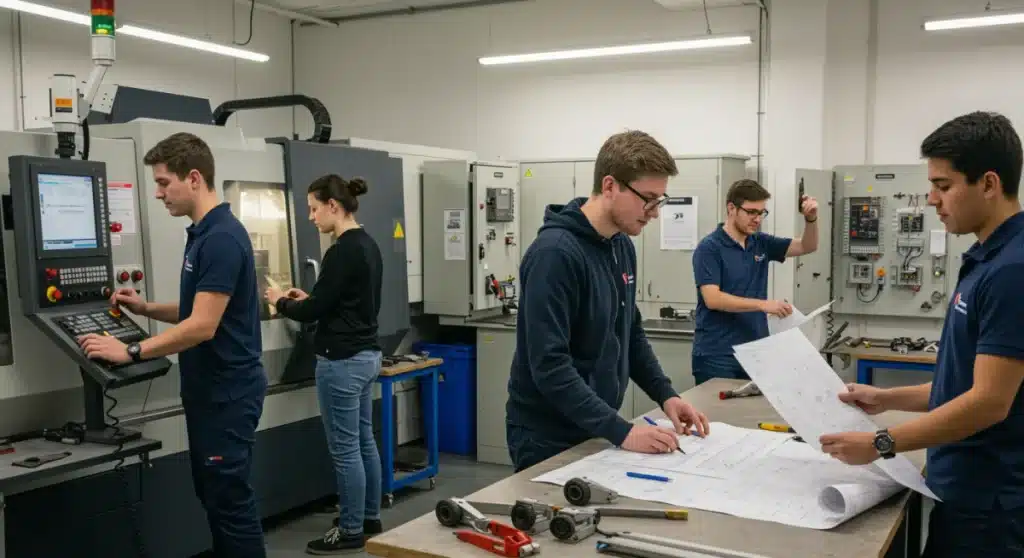
New government initiatives are projected to boost skilled trades education by 15% in 2025, significantly impacting the landscape of vocational training programs across the United States.
As the American economy continues to evolve, the demand for a highly skilled workforce has never been more critical. The vocational training outlook 2025 reveals a promising future, largely propelled by new government initiatives designed to strengthen skilled trades education. This anticipated 15% boost in enrollment and program development signifies a pivotal moment for career readiness and economic growth.
Understanding the Current Landscape of Vocational Training
Vocational training, often referred to as career and technical education (CTE), plays a crucial role in preparing individuals for specific trades and occupations. These programs bridge the gap between academic learning and practical job skills, offering pathways to rewarding careers in sectors ranging from healthcare to manufacturing and construction. Historically, vocational training has sometimes been overshadowed by the emphasis on four-year college degrees, but its value is increasingly being recognized as industries face critical labor shortages.
The current landscape is characterized by a growing awareness of the need for skilled trades. Many employers struggle to find qualified candidates for positions that require specialized technical expertise. This demand creates significant opportunities for individuals who pursue vocational education. Furthermore, the rising cost of traditional higher education has made vocational training an attractive, more affordable alternative, often leading to quicker entry into the workforce with less debt.
Key Sectors Benefiting from Vocational Training
- Construction Trades: Electricians, plumbers, carpenters, and HVAC technicians are in high demand nationwide, crucial for infrastructure development and maintenance.
- Healthcare Support: Medical assistants, dental hygienists, and licensed practical nurses provide essential services and are vital to the healthcare system.
- Advanced Manufacturing: Machinists, welders, and robotics technicians are needed to drive innovation and production in modern factories.
- Information Technology: Cybersecurity specialists, network administrators, and IT support professionals are essential for the digital economy.
In conclusion, the foundation of vocational training is solid, built on a real-world demand for practical skills. The current environment is ripe for growth, setting the stage for the enhanced government support anticipated in 2025 to make a substantial impact.
New Government Initiatives Driving Growth
The projected 15% boost in skilled trades education for 2025 is not a coincidence; it’s a direct outcome of strategic new government initiatives. Policymakers have recognized the critical need to invest in vocational training to address workforce shortages, enhance economic competitiveness, and provide accessible career paths for all Americans. These initiatives encompass a range of measures, from increased funding to policy reforms designed to make vocational programs more appealing and effective.
One primary focus of these initiatives is to increase federal and state funding for CTE programs. This includes grants for schools to upgrade equipment, develop new curricula, and hire qualified instructors. By providing financial resources, the government aims to ensure that vocational training facilities are state-of-the-art and can offer high-quality instruction that meets industry standards. Another significant aspect is the promotion of apprenticeships and work-based learning models, which combine classroom instruction with on-the-job training, allowing students to earn while they learn.
Policy Reforms and Program Expansion
Beyond funding, policy reforms are being introduced to streamline accreditation processes and foster stronger partnerships between educational institutions and local businesses. These reforms aim to ensure that vocational programs are responsive to the evolving needs of the job market. Additionally, there’s a push to expand vocational training options to underserved communities and to integrate these programs more seamlessly into the K-12 education system, introducing students to skilled trades earlier in their academic journeys.
- Increased Funding: Direct grants and financial aid for vocational schools and students.
- Apprenticeship Promotion: Incentives for businesses to offer apprenticeship programs.
- Curriculum Modernization: Support for updating programs to include emerging technologies.
- Industry Partnerships: Encouraging collaboration between schools and employers to tailor training to specific job needs.
These concerted efforts by the government are laying the groundwork for a robust and dynamic vocational training sector. The goal is not just to increase enrollment but to ensure that graduates are exceptionally well-prepared for the demands of the modern workforce.
Projected 15% Boost: What It Means for Students and Industry
The projected 15% increase in skilled trades education by 2025 carries profound implications for both aspiring students and various industries. For students, this boost translates into expanded access to high-quality training programs, more diverse career options, and improved prospects for stable, well-paying jobs. It signifies a shift in perception, validating vocational paths as equally valuable and viable as traditional academic routes.
Industries, on the other hand, stand to benefit from a stronger, more skilled talent pipeline. This influx of trained professionals will help alleviate critical labor shortages that have plagued sectors like manufacturing, construction, and healthcare. Companies will find it easier to recruit qualified workers, leading to increased productivity, innovation, and overall economic growth. The enhanced focus on vocational training also means that programs will be more aligned with industry needs, producing graduates who are job-ready from day one.
Impact on Workforce Development
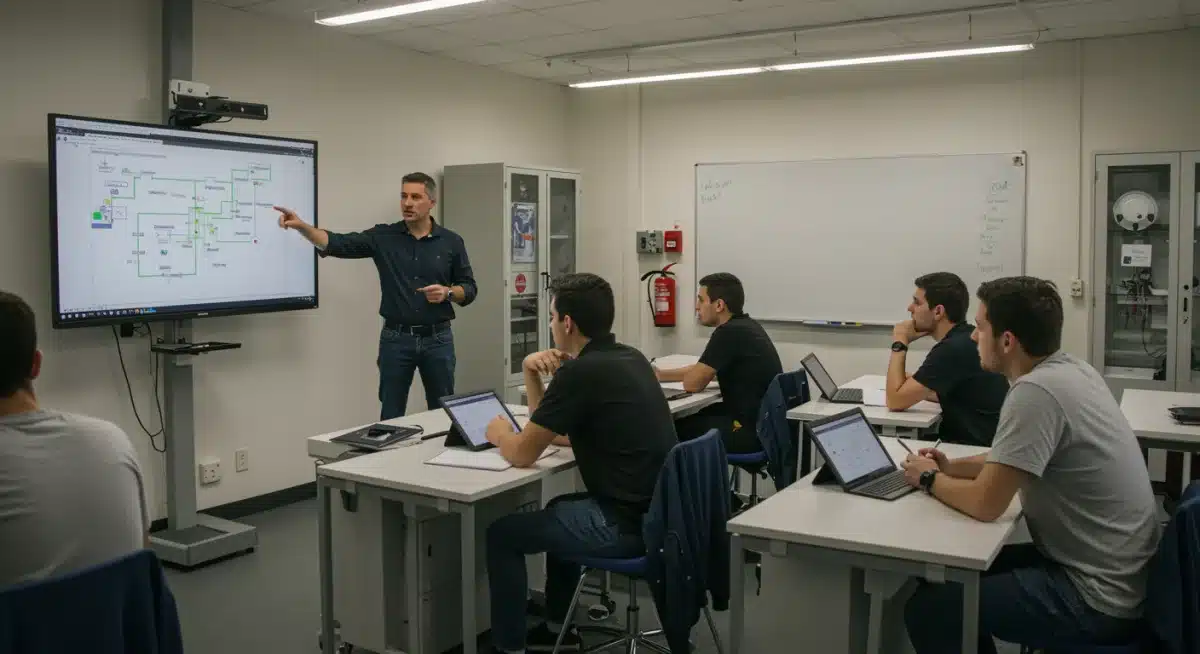
The 15% boost is not merely about numbers; it’s about reshaping workforce development. It implies a more resilient and adaptable labor force capable of meeting future economic challenges. Many of these programs will focus on emerging fields, such as renewable energy, automation, and advanced cybersecurity, preparing students for the jobs of tomorrow. This proactive approach ensures that the American workforce remains competitive on a global scale.
- Increased Job Opportunities: More openings in high-demand skilled trades.
- Higher Earning Potential: Graduates often secure competitive salaries quickly.
- Reduced Skill Gaps: Industries gain access to a better-trained talent pool.
- Economic Stability: A strong skilled workforce fosters local and national economic resilience.
Ultimately, this projected growth underscores a national commitment to valuing practical skills and investing in the human capital necessary for sustained prosperity. It’s a win-win scenario for individuals seeking meaningful careers and for industries striving for excellence.
Challenges and Opportunities in Implementation
While the outlook for vocational training in 2025 is overwhelmingly positive, implementing these new initiatives and achieving the projected 15% boost will not be without its challenges. One significant hurdle is ensuring adequate funding reaches all institutions, particularly those in rural or underserved areas. Another is attracting and retaining highly qualified instructors who possess both teaching prowess and real-world industry experience. The rapid pace of technological change also demands constant curriculum updates to keep programs relevant.
However, these challenges also present unique opportunities. The increased government focus can stimulate innovation in teaching methodologies, encouraging the adoption of virtual reality, simulations, and other advanced learning tools. Furthermore, it provides an impetus for stronger collaboration between vocational schools, businesses, and community organizations, creating a more integrated ecosystem for workforce development. Addressing these challenges proactively will ensure the long-term success and sustainability of the expanded vocational training programs.
Overcoming Obstacles for Greater Impact
Engaging parents and students early to dispel misconceptions about vocational education is also crucial. Promoting the value and career potential of skilled trades can help shift cultural perceptions and encourage more individuals to consider these pathways. Marketing campaigns highlighting success stories and the economic benefits of vocational training will play a vital role in this effort. Additionally, ongoing evaluation and adaptation of programs will be necessary to ensure they continue to meet evolving industry demands.
- Funding Distribution: Ensuring equitable access to resources across all regions.
- Instructor Recruitment: Attracting industry experts to teaching roles.
- Curriculum Relevance: Continuous updates to align with technological advancements.
- Perception Shift: Educating the public on the value of skilled trades.
By strategically navigating these challenges, the vocational training sector can capitalize on the opportunities presented by new government initiatives, ultimately leading to a more skilled and prosperous workforce.
Success Stories and Emerging Trends
Across the United States, numerous vocational training programs are already demonstrating remarkable success, serving as blueprints for the anticipated growth in 2025. These programs often feature strong industry partnerships, innovative curricula, and a focus on hands-on learning, leading to high job placement rates for graduates. For instance, community colleges offering advanced manufacturing programs, incorporating robotics and automation, consistently see their graduates hired into high-tech roles immediately upon completion.
Emerging trends in vocational training include a greater emphasis on soft skills, such as problem-solving, critical thinking, and communication, which are increasingly valued by employers. There’s also a growing focus on micro-credentials and modular learning, allowing individuals to acquire specific skills quickly and stack them to build comprehensive qualifications. The integration of sustainability and green technologies into traditional trades, like HVAC and construction, is another significant trend, preparing students for environmentally conscious industries.
Innovations in Vocational Education
The rise of online and hybrid vocational training models is expanding access to education for individuals who might not be able to attend traditional in-person programs. These flexible options are particularly beneficial for adult learners and those balancing work and family responsibilities. Furthermore, programs are increasingly incorporating diversity, equity, and inclusion initiatives to ensure that vocational pathways are accessible to all segments of the population, fostering a truly representative skilled workforce.
- Industry-Led Programs: Training designed directly by employers to meet their specific needs.
- Hybrid Learning Models: Combining online instruction with practical, in-person training.
- Green Skills Integration: Training for sustainable practices in various trades.
- Upskilling and Reskilling: Programs for current workers to adapt to new technologies.
These success stories and evolving trends highlight the dynamic nature of vocational training, showcasing its capacity to adapt and innovate to meet the demands of a rapidly changing economy.
The Long-Term Economic Impact
The significant investment in vocational training programs and the projected 15% boost in skilled trades education by 2025 are poised to deliver substantial long-term economic benefits for the United States. A robust skilled workforce is a cornerstone of a healthy economy, driving productivity, fostering innovation, and increasing national competitiveness. As more individuals enter high-demand trades, they contribute to local economies through higher wages, increased consumer spending, and a stronger tax base.
Moreover, reducing skill gaps helps industries operate more efficiently and expand, leading to job creation across various sectors. This ripple effect strengthens supply chains, encourages domestic production, and reduces reliance on foreign labor for critical skills. By investing in its human capital through vocational training, the nation is building a more resilient and future-proof economy capable of weathering economic shifts and technological advancements.
Societal Benefits Beyond Economics
Beyond direct economic gains, the expansion of vocational training also yields significant societal benefits. It provides accessible pathways to economic mobility for individuals from diverse backgrounds, reducing income inequality and fostering greater social equity. Empowering individuals with tangible skills can lead to increased self-sufficiency, reduced unemployment rates, and a stronger sense of community well-being. This investment in education is an investment in the future of American society.
- Increased Productivity: A skilled workforce drives economic output.
- Innovation Growth: Skilled workers contribute to technological advancements.
- Reduced Unemployment: More job-ready individuals entering the workforce.
- Community Development: Stronger local economies and social well-being.
In essence, the long-term economic impact of this vocational training surge extends far beyond individual career success, creating a more prosperous, equitable, and dynamic nation for years to come.
| Key Aspect | Description |
|---|---|
| Government Initiatives | Increased funding, policy reforms, and apprenticeship promotions to boost skilled trades. |
| Projected Growth | Anticipated 15% increase in skilled trades education by 2025, addressing workforce needs. |
| Impact on Students | Expanded career options, higher earning potential, and quicker entry into the job market. |
| Economic Benefits | Reduced skill gaps, increased productivity, and a more resilient national economy. |
Frequently Asked Questions About Vocational Training in 2025
Government initiatives include increased federal and state funding for CTE programs, promotion of apprenticeships, policy reforms for accreditation and industry partnerships, and curriculum modernization to align with emerging technologies and job market demands.
High-demand sectors like construction trades (electricians, HVAC), healthcare support (medical assistants), advanced manufacturing (welders, robotics technicians), and information technology (cybersecurity) are expected to experience significant growth and opportunities.
Students will benefit from expanded access to quality programs, more diverse career options, improved job prospects with competitive salaries, and faster entry into the workforce with less educational debt compared to traditional four-year degrees.
Challenges include ensuring equitable funding distribution, recruiting and retaining qualified instructors, continuously updating curricula to keep pace with technology, and shifting public perception to fully value skilled trades as viable career paths.
Long-term impacts include a more productive and innovative workforce, reduced skill gaps in critical industries, increased productivity, and a more resilient national economy.
Conclusion
The 2025 outlook for vocational training programs is undoubtedly bright, shaped by proactive government initiatives that are set to significantly boost skilled trades education. This anticipated 15% growth represents more than just an increase in enrollment; it signifies a national commitment to fostering a highly competent workforce, addressing critical industry needs, and providing accessible, valuable career pathways for individuals. By investing in practical skills and modernizing educational approaches, the United States is poised to strengthen its economic foundation and ensure a prosperous future for both its citizens and its industries.