Federal Special Education Grants: 15% Increase for 2026-2027 Academic Year Explained

Decoding the 15% Increase in Federal Grants for Special Education Programs Announced for the 2026-2027 Academic Year in the U.S.
The landscape of special education in the United States is poised for a significant transformation with the recent announcement of a monumental 15% increase in federal grants for the 2026-2027 academic year. This substantial boost in funding signals a renewed commitment from the federal government to bolster support for students with disabilities, ensuring they receive the comprehensive and individualized education they deserve. For educators, administrators, parents, and advocates, understanding the nuances of this increase, its potential impact, and the strategic allocation of these funds will be paramount.
The journey towards inclusive and equitable education has been long and arduous, marked by legislative milestones such as the Individuals with Disabilities Education Act (IDEA). IDEA, in its various iterations, has been the cornerstone of special education policy, mandating free appropriate public education (FAPE) for eligible children with disabilities and ensuring their rights are protected. However, the federal government has historically struggled to meet its financial commitment to IDEA, often leaving states and local districts to bear a disproportionate share of the costs. This new infusion of capital, therefore, represents not just an incremental adjustment, but a potentially game-changing investment that could bridge critical funding gaps and foster innovative approaches to special education.
This comprehensive article will delve deep into the implications of this 15% increase in federal special education grants. We will explore the historical context of special education funding, shed light on the mechanisms through which these funds are distributed, and analyze the potential areas of impact, from enhanced teacher training and technological integration to expanded therapeutic services and early intervention programs. Furthermore, we will discuss the challenges and opportunities that lie ahead for states and local educational agencies (LEAs) as they prepare to maximize the benefits of this increased financial support. Our aim is to provide a clear, insightful, and actionable understanding of this pivotal development, empowering all stakeholders to advocate for and implement the best possible outcomes for students with disabilities.
The Historical Context of Federal Special Education Funding
To truly appreciate the significance of a 15% increase in federal special education grants, it’s essential to understand the historical funding landscape. The Individuals with Disabilities Education Act (IDEA), originally enacted as the Education for All Handicapped Children Act in 1975, promised that the federal government would cover up to 40% of the average per-pupil expenditure for special education services. This promise, however, has rarely been fulfilled. For decades, federal contributions have hovered significantly below this threshold, often settling in the range of 15-18%. This persistent underfunding has placed immense strain on state and local budgets, forcing difficult decisions and sometimes compromising the quality and availability of essential services for students with disabilities.
The gap between the federal commitment and actual funding has had far-reaching consequences. School districts have often had to divert funds from general education programs to cover special education costs, leading to resource scarcity across the board. This financial pressure has also impacted the ability to attract and retain highly qualified special education teachers, invest in cutting-edge assistive technologies, or provide the intensive, individualized support many students require. Advocacy groups and special education professionals have consistently called for increased federal investment, arguing that it is not only a moral imperative but also a legal obligation under IDEA.
The current announcement of a 15% increase for the 2026-2027 academic year, while not immediately reaching the 40% promise, represents a substantial step in the right direction. It signals a recognition by policymakers of the critical need for greater federal involvement and a potential shift in the long-standing funding paradigm. This increase is a testament to years of persistent advocacy and a growing understanding of the economic and societal benefits of investing in inclusive education. It offers a glimmer of hope that the federal share of special education costs might finally begin to align more closely with the foundational principles of IDEA.
Understanding the Mechanisms: How Federal Grants are Distributed
The process by which federal special education grants are distributed is complex, involving multiple layers of government and specific funding formulas. The vast majority of federal funding for special education flows through Part B of IDEA, which provides financial assistance to states to ensure that children with disabilities aged 3 through 21 receive FAPE. These funds are allocated to states based on a formula that considers factors such as the state’s total population and the number of children aged 3 through 21, with adjustments for poverty levels.
Once the federal funds reach the state level, state educational agencies (SEAs) are responsible for distributing these funds to local educational agencies (LEAs), which are typically individual school districts. States must develop a plan for how they will use the funds, ensuring compliance with IDEA requirements. A significant portion of these funds (at least 75%) must be passed through directly to LEAs for use in providing special education and related services. States retain a smaller percentage (up to 25%) for administrative costs, statewide initiatives, and targeted programs that support special education, such as personnel development or technical assistance.
LEAs, in turn, must use these funds to supplement, not supplant, state and local funds. This means federal dollars cannot simply replace existing state or local special education budgets; they must be used to enhance or expand services. LEAs are also required to engage in a comprehensive planning process, often involving parents, educators, and community members, to determine the most effective ways to utilize these funds to meet the unique needs of their student populations with disabilities. This multi-layered distribution system, while designed to ensure accountability and targeted support, also highlights the importance of effective coordination and communication at every level of governance to maximize the impact of the increased funding.
Potential Areas of Impact: Where the 15% Increase Can Make a Difference
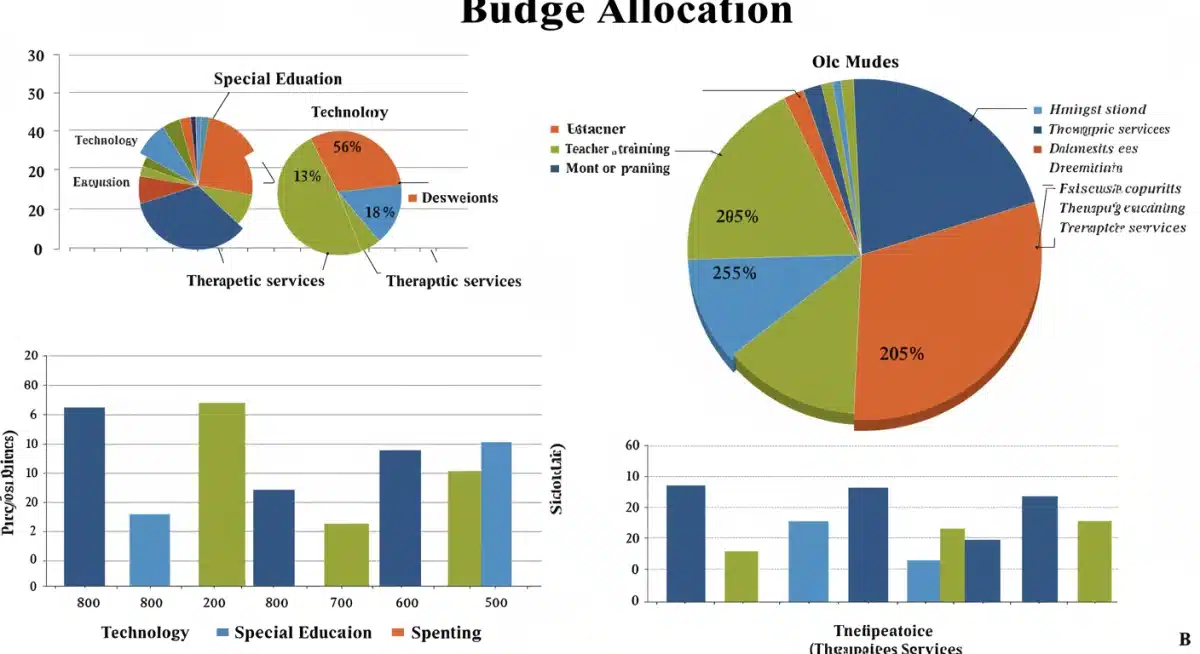
The 15% increase in federal special education grants holds the potential to catalyze significant improvements across various facets of special education. This infusion of funds can address long-standing resource deficits and foster innovation, ultimately leading to better outcomes for students with disabilities. Here are some key areas where this increase can make a profound difference:
Enhanced Teacher Training and Professional Development
One of the most critical needs in special education is a highly qualified and well-supported workforce. The increased funding can be directed towards robust professional development programs for special education teachers, general education teachers, and paraprofessionals. This could include training in evidence-based instructional strategies, assistive technology integration, behavior management techniques, and specialized therapies. Investing in ongoing education ensures that educators are equipped with the latest knowledge and skills to meet the diverse needs of their students, reducing teacher burnout and improving retention rates.
Investment in Assistive Technology and Accessible Learning Materials
Technology plays a transformative role in enabling students with disabilities to access the curriculum and participate fully in learning. The additional funds can facilitate the purchase of state-of-the-art assistive technologies, such as communication devices, specialized software, adaptive equipment, and accessible learning materials. This not only levels the playing field but also empowers students to develop greater independence and achieve academic success. Furthermore, it can support the infrastructure required to effectively integrate these technologies into daily classroom practice.
Expansion of Therapeutic and Related Services
Many students with disabilities require a range of related services beyond traditional academic instruction, including speech-language pathology, occupational therapy, physical therapy, counseling services, and psychological services. These services are often expensive and in high demand. The increased grants can allow districts to hire more qualified therapists, reduce caseloads, and expand the availability of these crucial supports, ensuring that students receive the comprehensive interventions necessary for their holistic development.
Strengthening Early Intervention Programs
Early intervention is widely recognized as a cornerstone of effective special education. Providing support to infants, toddlers, and preschoolers with developmental delays or disabilities can significantly improve their long-term outcomes. The 15% increase can bolster funding for Part C of IDEA, which supports early intervention services, allowing for expanded outreach, enhanced family support, and the provision of more intensive, individualized services during critical developmental windows. This proactive approach can reduce the need for more extensive interventions later in a child’s educational journey.
Promoting Inclusive Practices and Environments
Inclusive education, where students with disabilities learn alongside their non-disabled peers to the maximum extent appropriate, is a core principle of IDEA. The additional funding can support initiatives aimed at creating more inclusive classrooms and school environments. This might include training general education teachers on differentiated instruction, funding co-teaching models, adapting physical spaces, and developing inclusive curricula that cater to a wide range of learning styles and abilities. A truly inclusive environment benefits all students by fostering empathy, understanding, and a richer learning experience.
Data Collection and Program Evaluation
Effective special education relies on robust data collection and ongoing program evaluation. The increased funding can be used to invest in better data management systems, train staff in data analysis, and conduct thorough evaluations of special education programs. This ensures that interventions are evidence-based, resources are being used effectively, and programs are continually improved to meet student needs. Data-driven decision-making is crucial for accountability and for demonstrating the positive impact of these federal investments.

Challenges and Opportunities for States and LEAs
While the 15% increase in federal special education grants presents a significant opportunity, it also comes with its own set of challenges for states and local educational agencies. Navigating these complexities effectively will be key to maximizing the positive impact of the new funding.
Challenges:
- Ensuring Equitable Distribution: States and LEAs must ensure that the increased funds are distributed equitably across all districts, including rural and underserved areas, which often face greater resource limitations.
- Staffing Shortages: Even with increased funding, recruiting and retaining qualified special education teachers and related service providers remains a significant challenge. The funds need to be strategically used to address these shortages through competitive salaries, signing bonuses, and professional development opportunities.
- Compliance and Accountability: The federal government will likely increase scrutiny to ensure that funds are used in compliance with IDEA and other relevant regulations. States and LEAs must have robust systems in place for tracking expenditures and demonstrating program effectiveness.
- Avoiding Supplanting: The rule that federal funds must supplement, not supplant, state and local funds can be tricky to navigate. Districts must be careful not to reduce their own special education budgets simply because federal aid has increased.
- Capacity Building: Some smaller or under-resourced districts may lack the administrative capacity to effectively manage and deploy a sudden increase in funding, requiring additional support and guidance from SEAs.
Opportunities:
- Innovation in Service Delivery: The increased funding can free up resources for districts to experiment with innovative service delivery models, such as universal design for learning (UDL) initiatives, integrated co-teaching, or community-based instructional programs.
- Long-Term Strategic Planning: With more stable funding, states and LEAs can engage in more comprehensive, long-term strategic planning for special education, moving beyond year-to-year budget crises.
- Addressing Disparities: The funds can be specifically targeted to address racial, ethnic, and socioeconomic disparities in special education identification, placement, and outcomes.
- Parent and Community Engagement: Enhanced funding can support initiatives that foster greater parent and community engagement in special education decision-making, leading to more tailored and effective programs.
- Advocacy for Future Increases: Demonstrating the positive impact of this 15% increase can build a strong case for continued or even greater federal investment in special education in future academic years.
Strategic Allocation: Making Every Dollar Count
With the 15% increase in federal special education grants, strategic allocation becomes more critical than ever. It’s not just about spending the money, but about investing it wisely to achieve the greatest possible impact for students with disabilities. States and LEAs should consider a multi-pronged approach that prioritizes evidence-based practices, addresses identified needs, and fosters long-term sustainability.
Needs Assessments and Data-Driven Decisions
The first step in strategic allocation is conducting thorough needs assessments. This involves analyzing local data on student demographics, disability categories, academic performance, functional skills, and existing service gaps. By understanding the specific needs of their student population, districts can prioritize funding towards interventions and services that will yield the most significant improvements. This data-driven approach ensures that resources are directed where they are most needed and will have the greatest effect.
Prioritizing Evidence-Based Interventions
The increased funds should be used to implement evidence-based interventions and programs that have a proven track record of effectiveness. This means moving away from unproven methods and investing in practices supported by research. This could include specific reading interventions, social-emotional learning programs, vocational training models, or assistive technology solutions that have demonstrated positive outcomes for students with disabilities. Training staff in these evidence-based practices is also a crucial component.
Investing in Infrastructure and Capacity Building
Beyond direct services, a portion of the funds should be allocated to building the systemic capacity of special education programs. This includes investing in robust data systems for tracking student progress and program effectiveness, upgrading facilities to enhance accessibility, and developing internal expertise through ongoing professional development for administrators and support staff. Strengthening the underlying infrastructure ensures that improvements are sustainable and can adapt to evolving student needs.
Fostering Collaboration and Partnerships
Effective special education often requires collaboration across various sectors. The new funding can be used to foster partnerships with community organizations, universities, healthcare providers, and vocational rehabilitation agencies. These collaborations can expand the range of services available to students, provide specialized expertise, and facilitate smoother transitions for students as they move between different educational stages and into post-secondary life or employment.
Focus on Transition Services
Transition services, designed to help students with disabilities prepare for post-secondary education, employment, and independent living, are a vital component of IDEA. The increased funding can significantly bolster these services, providing more individualized counseling, vocational assessments, job coaching, and linkages to adult service agencies. Investing in robust transition programs ensures that students are well-prepared to lead fulfilling and productive lives after high school.
The Role of Advocacy and Oversight
The announcement of increased federal special education grants is a victory for advocacy, but the work is far from over. Ongoing advocacy and rigorous oversight will be crucial to ensure that these funds are utilized effectively and that the promised benefits materialize for students with disabilities. Parents, educators, community organizations, and policymakers all have a role to play in this process.
Parental Advocacy
Parents are often the most fervent advocates for their children. They must remain informed about how these new funds are being planned for and spent in their local districts. Attending school board meetings, participating in IEP (Individualized Education Program) meetings, and joining parent advisory committees are all ways to ensure that their children’s needs are prioritized and that the increased funding leads to tangible improvements in services.
Educator and Administrator Responsibility
Educators and administrators bear the direct responsibility for implementing programs funded by these grants. They must be stewards of these resources, ensuring that expenditures are aligned with student needs and IDEA requirements. Transparent reporting, ongoing evaluation, and a commitment to continuous improvement will be essential. They also have a unique perspective on the ground-level needs and can advocate for specific allocations that will have the most impact.
Community and Advocacy Organizations
Non-profit organizations and advocacy groups play a vital role in monitoring the implementation of federal funds. They can provide technical assistance to districts, educate parents and the public, and hold governmental bodies accountable for their spending. Their collective voice can also continue to advocate for further increases in federal funding to fully meet the promise of IDEA.
Governmental Oversight
Federal and state educational agencies have a responsibility to provide robust oversight. This includes conducting audits, reviewing state and LEA plans, and providing technical assistance to ensure compliance and effective utilization of funds. Mechanisms for public reporting on how funds are used and their impact on student outcomes will enhance transparency and accountability.
Looking Ahead: Sustaining the Momentum
The 15% increase in federal special education grants for the 2026-2027 academic year is a momentous occasion, but it is just one step in a continuous journey towards fully supporting students with disabilities. The challenge now is to sustain this momentum and build upon this investment for future academic years.
Demonstrating the positive impact of this increased funding will be critical. States and LEAs must meticulously track outcomes, collect compelling data, and share success stories to illustrate how these investments are transforming lives. This evidence will be vital in advocating for continued or even greater federal contributions in the future. Policymakers respond to demonstrable results, and showing that this funding is making a real difference will be key to securing long-term financial stability for special education programs.
Furthermore, this increase should spark a broader conversation about the overall funding structure of special education. It presents an opportunity to re-evaluate the federal government’s role and commitment under IDEA, potentially leading to a more consistent and robust funding model that doesn’t rely solely on periodic increases. The goal should be to move towards a system where the needs of students with disabilities are consistently met, not just when a funding boost occurs.
In conclusion, the 15% increase in federal special education grants is a beacon of hope for millions of students with disabilities and their families across the U.S. It represents a renewed federal commitment to inclusive education and provides an unprecedented opportunity to enhance services, empower educators, and foster environments where every student can thrive. By embracing strategic planning, fostering collaboration, and maintaining vigilant oversight, stakeholders at all levels can ensure that this significant investment translates into meaningful and lasting improvements for the special education community.