Comparing the Efficacy of Online vs. In-Person Learning Models in U.S. Public Schools: Key Findings from 2025-2026 Academic Year Data
The landscape of education has undergone a profound transformation in recent years, largely spurred by technological advancements and unforeseen global events. As we move further into the 21st century, the debate surrounding the effectiveness of different learning modalities – specifically online learning versus in-person learning – continues to be a central topic for educators, policymakers, parents, and students across the United States. The 2025-2026 academic year has provided a wealth of data, offering critical insights into the comparative efficacy of these two dominant models within U.S. public schools.
This comprehensive analysis delves into the nuances of student performance, engagement, equity, and overall educational outcomes derived from the most recent academic year. Understanding these findings is crucial for shaping future educational policies, optimizing pedagogical approaches, and ensuring that every student has access to the most effective learning environment. Our focus here is to dissect the data, identify trends, and draw conclusions that can inform the ongoing evolution of education in America. We will explore various facets, from academic achievement metrics to socio-emotional development, and the role of technology and infrastructure in determining success for both online and in-person learning models.
The Shifting Educational Paradigm: A Brief History and Current Context
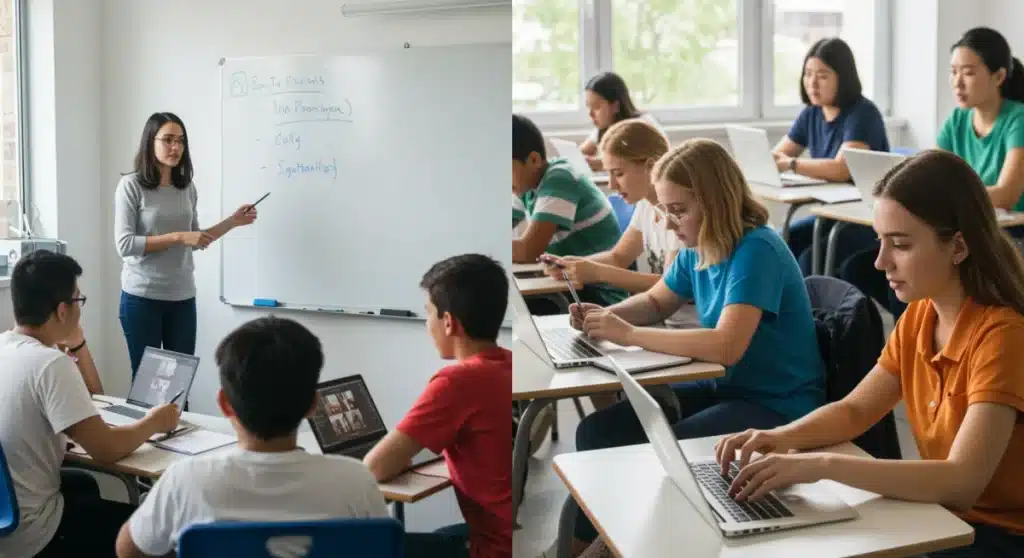
Before diving into the 2025-2026 data, it’s essential to contextualize the evolution of both online learning and in-person learning. Traditional in-person learning has been the cornerstone of education for centuries, emphasizing direct interaction, immediate feedback, and a structured physical environment. Its benefits are well-documented, including fostering social skills, providing a sense of community, and offering direct access to resources and support systems.
Online learning, while existing in various forms for decades, experienced an unprecedented surge in adoption during the early 2020s. This period of rapid expansion forced schools to innovate quickly, leading to the development of sophisticated virtual platforms, digital curricula, and new instructional strategies. Initially a necessity, online learning has since carved out a permanent niche, offering flexibility, accessibility, and personalized learning pathways that were once unimaginable. The 2025-2026 academic year represents a crucial point where many schools have had the opportunity to refine their online offerings, integrate lessons learned from earlier periods, and establish more stable, long-term hybrid or fully online programs alongside traditional models.
The question is no longer solely about whether online learning can work, but rather how well it performs compared to in-person instruction, for whom, and under what conditions. This is precisely what the recent data from U.S. public schools seeks to illuminate, providing a clearer picture of the strengths and weaknesses of each approach.
Methodology for Data Collection and Analysis (2025-2026)
To ensure a robust comparison of online in-person learning efficacy, the data for the 2025-2026 academic year was collected and analyzed using a multi-faceted approach. This involved:
- Standardized Test Scores: Analysis of state-mandated assessments in core subjects such as English Language Arts (ELA), Mathematics, and Science. Data was disaggregated by learning model (fully online, fully in-person, and hybrid where applicable), grade level, socioeconomic status, and demographic groups.
- Student Engagement Metrics: Tracking attendance rates, participation in class discussions (both virtual and physical), completion rates for assignments, and time spent on learning platforms.
- Teacher and Student Surveys: Anonymous surveys administered to thousands of students and teachers across diverse districts to gather qualitative data on satisfaction, perceived effectiveness, challenges, and preferences for online in-person learning environments.
- Socio-Emotional Development Assessments: Utilizing standardized tools to measure aspects like self-regulation, peer interaction, motivation, and mental well-being, recognizing that academic scores alone do not paint a complete picture of student success.
- School District Reports: Reviewing data submitted by public school districts, including graduation rates, disciplinary actions, and resource allocation for each learning model.
The sheer volume and diversity of this data allowed for a comprehensive statistical analysis, controlling for various confounding factors to isolate the impact of the learning modality itself. Researchers employed statistical modeling to identify significant correlations and causal relationships, providing a clearer understanding of how different educational settings influence student outcomes. This rigorous methodology underpins the key findings presented in the following sections, ensuring that conclusions drawn are data-driven and reliable for evaluating online in-person learning.
Key Finding 1: Academic Performance – Where Do Students Excel?
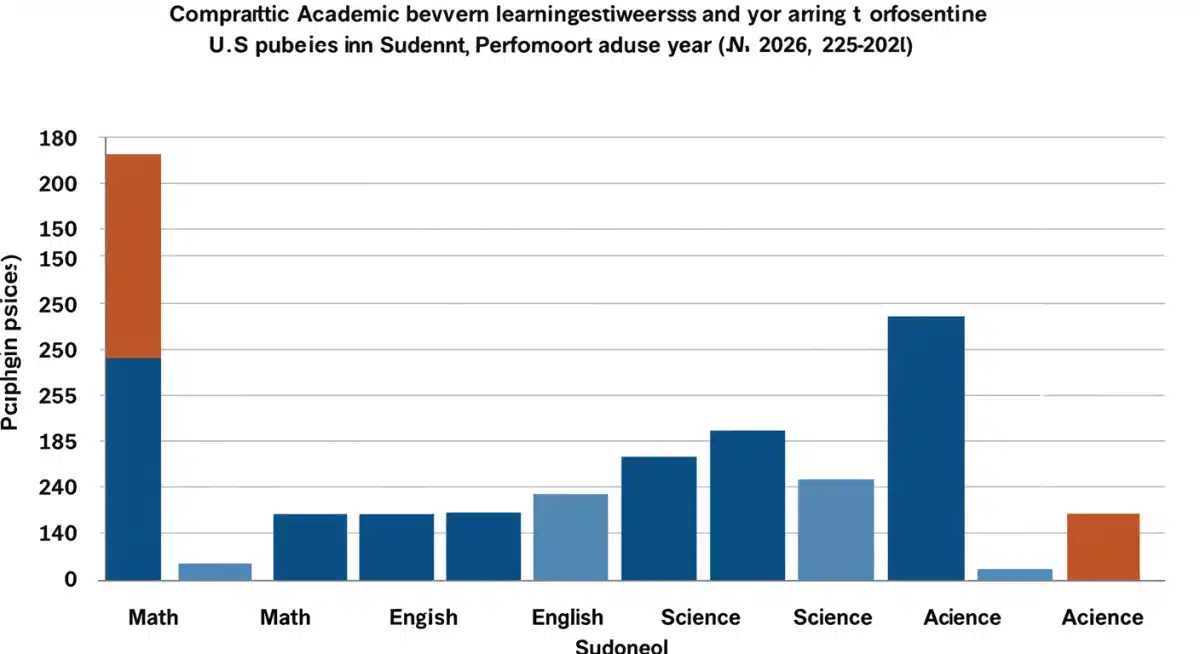
One of the most anticipated insights from the 2025-2026 data concerns academic performance. The findings present a nuanced picture, challenging simplistic generalizations about which model is inherently superior. Overall, students in traditional in-person learning environments continued to show a slight, but statistically significant, edge in standardized test scores for Mathematics and Science, particularly at the elementary and middle school levels.
However, the gap in ELA scores was considerably smaller, and in some advanced high school courses, online students performed comparably, or even slightly better, especially in subjects that emphasized independent research and project-based learning. This suggests that while foundational skills and subjects requiring direct teacher intervention might benefit more from the in-person model, subjects encouraging self-directed learning can thrive in an online setting.
A deeper dive into the data revealed that the quality of instruction and curriculum design played a more significant role than the modality itself. High-quality online programs with robust student support, interactive platforms, and well-trained teachers demonstrated academic outcomes on par with, or even exceeding, average in-person classrooms. Conversely, poorly structured online programs or in-person settings lacking adequate resources consistently underperformed. This highlights the critical importance of pedagogical excellence in both online in-person learning contexts.
Key Finding 2: Student Engagement and Motivation
Engagement is a critical predictor of academic success, and the 2025-2026 data offered compelling insights into how online in-person learning affects student motivation and participation. In-person learning generally fostered higher levels of spontaneous interaction, peer collaboration, and immediate feedback, which many students and teachers cited as crucial for engagement. The physical presence of peers and educators often created a more dynamic and less isolating learning environment.
However, online learning excelled in providing flexibility and personalized pacing, which significantly boosted engagement for a subset of students. Introverted students, those with specific learning needs, or those who thrive in self-directed environments often reported higher levels of engagement and reduced anxiety in online settings. The ability to revisit lectures, utilize diverse digital resources, and work at their own speed was a powerful motivator.
Conversely, a significant challenge for online learning remained the issue of sustained engagement for students requiring more external structure or those easily distracted. Attendance rates were generally lower in fully online models, and participation in synchronous online sessions often lagged behind in-person classroom discussions. The data indicates that effective online engagement strategies require proactive teacher outreach, innovative use of interactive digital tools, and a strong sense of community built through virtual means. The efficacy of online in-person learning is therefore heavily dependent on cultivating the right environment.
Key Finding 3: Socio-Emotional Development and Well-being
Beyond academic metrics, the socio-emotional development and well-being of students are paramount. The 2025-2026 data revealed notable differences between online in-person learning models in this domain. In-person learning environments consistently showed stronger positive outcomes in areas such as social skills development, conflict resolution, and the formation of peer relationships. The daily interactions, collaborative group work, and extracurricular activities inherent in physical schools provided invaluable opportunities for social learning and emotional growth.
For online learners, survey data indicated a higher prevalence of reported feelings of isolation and reduced opportunities for developing robust social networks, particularly for younger students. While online platforms often incorporated elements for virtual collaboration, these did not fully replicate the depth and spontaneity of in-person social interactions. Mental health concerns, such as anxiety and depression, were also reported slightly more frequently among students exclusively engaged in online learning, though this varied significantly based on individual student characteristics and the level of parental/guardian support.
However, online learning did offer benefits for some students, particularly those who experienced bullying or social anxiety in traditional school settings. For these individuals, the online environment provided a safer, less intimidating space to learn and interact. The findings underscore the need for intentional strategies to foster socio-emotional well-being in both models, with particular emphasis on creating virtual communities and providing accessible mental health resources for online students. The overall impact of online in-person learning on well-being is complex and highly individualized.
Key Finding 4: Equity, Access, and the Digital Divide
The 2025-2026 data starkly highlighted the ongoing challenges related to equity and access, particularly in the context of online in-person learning. While significant strides have been made to bridge the digital divide, disparities persist. Students from lower socioeconomic backgrounds and those in rural areas continued to face challenges related to reliable internet access, availability of suitable devices, and a conducive home learning environment. These factors directly impacted the efficacy of their online learning experiences, often leading to lower academic achievement and engagement compared to their in-person counterparts.
In contrast, in-person learning, by its very nature, provides a standardized learning environment, theoretically leveling the playing field regarding access to resources, technology, and a dedicated workspace. However, even in-person schools can suffer from resource inequities, such as underfunded facilities or a lack of qualified teachers in certain districts.
The data also revealed that students with special educational needs often benefited significantly from the direct, individualized support available in well-resourced in-person settings. While teletherapy and adaptive technologies have improved online provisions for these students, the physical presence of support staff and tailored environmental modifications remain critical for many. The findings emphasize that for online learning to achieve true equity, substantial investments in infrastructure, device provision, and comprehensive support services are still required across all communities. Addressing these disparities is crucial for maximizing the effectiveness of online in-person learning.
Key Finding 5: Teacher Perspectives and Professional Development
Teachers are at the forefront of implementing both online in-person learning models, and their experiences and perspectives are invaluable. The 2025-2026 surveys revealed that teachers in both environments faced unique challenges and rewards. In-person teachers often cited classroom management, larger class sizes, and diverse student needs as primary challenges, alongside the satisfaction of direct student interaction and immediate feedback.
Online teachers, on the other hand, consistently reported challenges related to maintaining student engagement in a virtual space, assessing understanding without visual cues, and managing the technological demands of digital platforms. However, many also appreciated the flexibility, the opportunity to experiment with innovative digital tools, and the ability to reach students who might not thrive in traditional settings. The data indicated a strong correlation between the quality of professional development received by teachers and the success of their respective learning models.
Schools that invested heavily in training for online pedagogy, digital literacy, and socio-emotional support for virtual learners saw better outcomes. Similarly, in-person teachers who received ongoing training in differentiated instruction and classroom technology integration reported higher job satisfaction and more effective teaching. This finding underscores that the effectiveness of any learning model is inextricably linked to the preparedness and ongoing support provided to educators. The success of both online in-person learning hinges on empowering teachers.

The Rise of Hybrid Models: A Potential Synthesis?
While this analysis primarily compares fully online in-person learning, the 2025-2026 data also provided strong evidence for the growing prevalence and potential efficacy of hybrid learning models. These models, which strategically blend elements of both online and in-person instruction, often aim to leverage the strengths of each. For example, a hybrid approach might use online platforms for asynchronous content delivery and independent work, freeing up in-person time for collaborative projects, deeper discussions, and individualized support.
The data suggested that well-designed hybrid models could offer a compelling balance, providing students with flexibility while retaining the crucial social and interactive elements of traditional schooling. Students in effective hybrid programs reported higher levels of satisfaction and often demonstrated academic outcomes comparable to, or even exceeding, those in fully in-person settings, particularly at the high school level. The success of hybrid models, however, was highly dependent on thoughtful integration, clear expectations, and seamless transitions between modalities.
This emerging trend suggests that the future of education in U.S. public schools might not be a simple choice between online or in-person, but rather a sophisticated integration of both. The key lies in identifying which components of learning are best delivered in which modality for specific subjects, age groups, and student needs. The flexibility offered by hybrid models could be the optimal solution for many, allowing for personalized educational pathways that maximize the benefits of both online in-person learning.
Challenges and Limitations of the 2025-2026 Data
While the 2025-2026 data provides invaluable insights, it’s important to acknowledge its challenges and limitations. The primary challenge remains the variability in implementation across different school districts. What constitutes ‘online learning’ or ‘in-person learning’ can differ significantly from one school to another, affecting the comparability of outcomes. Factors such as class size, teacher-student ratios, access to technology, and the specific curriculum employed can all confound direct comparisons.
Another limitation is the dynamic nature of educational policy and technological advancements. The effectiveness of online platforms is constantly evolving, meaning findings from one academic year may not be fully generalizable to future years. Furthermore, the long-term impacts of extensive online learning on student development, particularly socio-emotional aspects, are still emerging and require longitudinal studies beyond a single academic year.
Finally, self-reported data from surveys, while useful, can be subject to bias. Students and teachers might report more positively or negatively based on their personal experiences or perceived expectations. Despite these limitations, the 2025-2026 data offers the most comprehensive snapshot to date of online in-person learning efficacy, serving as a crucial benchmark for ongoing evaluation and improvement.
Implications for Future Educational Policy and Practice
The findings from the 2025-2026 academic year have several profound implications for the future of education in U.S. public schools. Firstly, they underscore the need for a more nuanced approach to educational planning. A one-size-fits-all model for either online in-person learning is unlikely to serve the diverse needs of all students effectively. Instead, policies should support flexible frameworks that allow districts to tailor learning modalities to their specific contexts and student populations.
Secondly, there is an urgent need for continued investment in teacher professional development. As technology evolves and learning models diversify, educators require ongoing training in effective online pedagogy, digital literacy, and strategies for fostering socio-emotional well-being in both virtual and physical classrooms. This includes equipping teachers with the skills to seamlessly integrate technology into in-person settings and to create engaging, interactive online experiences.
Thirdly, addressing the digital divide remains a paramount concern for achieving educational equity. Policymakers must prioritize initiatives that ensure all students have reliable internet access, appropriate devices, and supportive home learning environments, regardless of their socioeconomic status or geographic location. Without this foundational infrastructure, the promise of equitable online learning cannot be fully realized.
Finally, the data strongly supports the exploration and refinement of hybrid learning models. These models offer a promising path forward, potentially combining the best aspects of both online and in-person instruction to create more resilient, adaptable, and personalized educational systems. Future research should focus on identifying optimal hybrid designs, subject-specific applications, and best practices for implementation to maximize student outcomes.
Conclusion: Navigating the Future of Learning
The comparison of online in-person learning models based on 2025-2026 academic year data reveals that neither modality holds an absolute advantage across all metrics and for all students. In-person learning continues to be crucial for foundational academic skills, socio-emotional development, and consistent engagement for many. Online learning, however, has proven its value in offering flexibility, accessibility, and fostering self-directed learning for a significant segment of the student population, especially when supported by high-quality programs and resources.
The future of education in U.S. public schools is likely to be characterized by a thoughtful integration of these approaches, moving towards more personalized and adaptive learning ecosystems. The insights from this data compel us to move beyond a binary choice and instead focus on creating synergistic learning environments that leverage the strengths of both online and in-person instruction. By investing in robust infrastructure, comprehensive teacher training, and equitable access, we can cultivate an educational landscape that truly prepares all students for success in an ever-changing world. The ongoing dialogue and continuous data-driven refinement of both online in-person learning models will be essential for navigating this exciting and complex future.