Emergency Fund Building 2026: 90-Day Plan for Financial Security
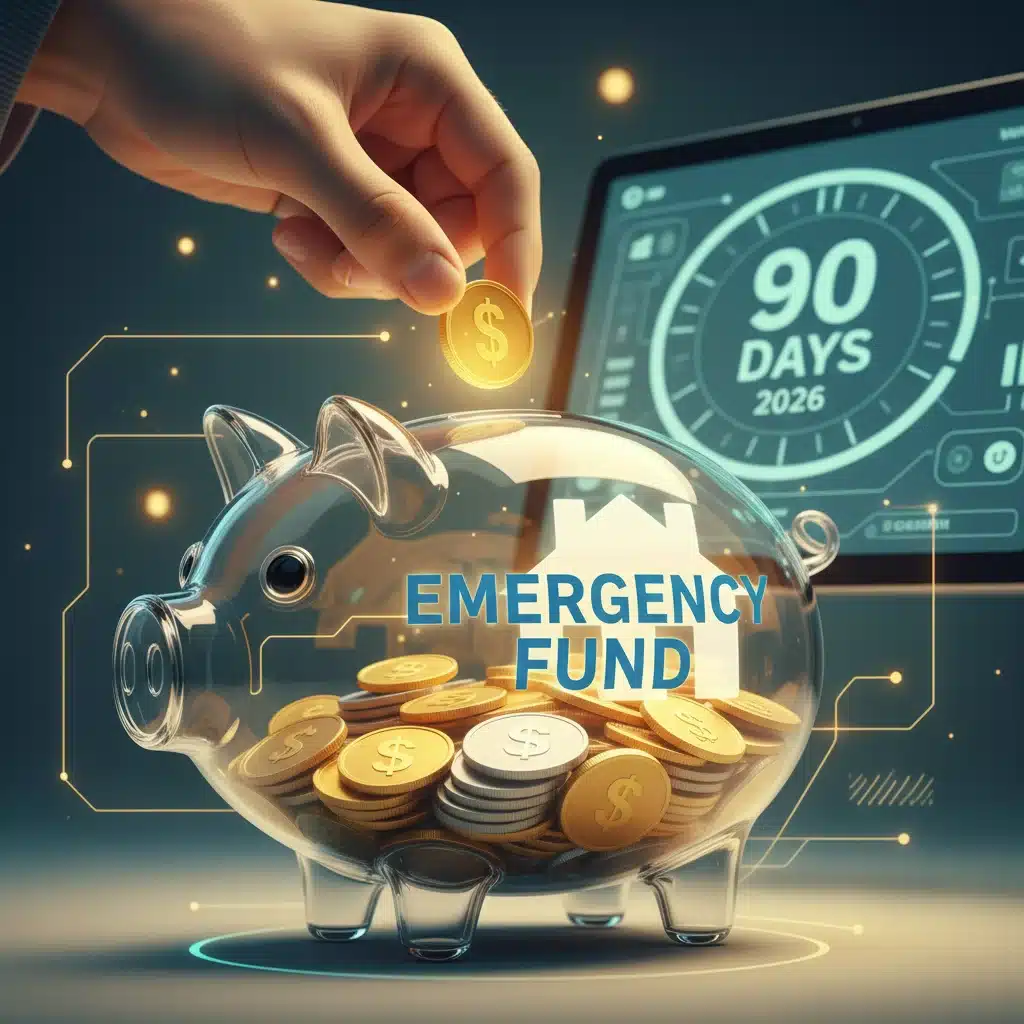
Emergency Fund Building 2026: A 90-Day Plan to Save 3-6 Months of Living Expenses for Financial Security
In an increasingly unpredictable world, the bedrock of personal financial stability lies in a robust emergency fund. As we navigate towards 2026, the importance of having a financial safety net cannot be overstated. Economic shifts, unexpected job losses, health crises, or unforeseen home repairs can derail even the most carefully laid financial plans. This comprehensive guide will walk you through a practical, actionable 90-day strategy to build an emergency fund that covers 3 to 6 months of your essential living expenses, providing you with invaluable peace of mind and true financial security.
Many people understand the concept of an emergency fund but struggle with the ‘how’. The idea of saving thousands of dollars can feel daunting, leading to procrastination or giving up before even starting. Our 90-day plan breaks down this monumental task into manageable, bite-sized steps, making the goal achievable and sustainable. By focusing on consistent action over a condensed period, you’ll gain momentum and see tangible progress, transforming your financial outlook for 2026 and beyond.
The goal isn’t just to save money; it’s to create a buffer that protects you from falling into debt when life throws a curveball. It’s about empowering yourself to make decisions from a position of strength, rather than desperation. Let’s embark on this journey together and fortify your financial future.
Understanding the ‘Why’: The Unshakeable Importance of an Emergency Fund
Before diving into the mechanics of emergency fund building, it’s crucial to internalize its significance. An emergency fund is not merely a savings account; it’s a strategic financial asset. It acts as your primary line of defense against financial shocks, preventing you from resorting to high-interest credit cards, personal loans, or raiding your retirement savings when unexpected expenses arise.
Protecting Against Life’s Unpredictability
Life is inherently unpredictable. A sudden job loss, a medical emergency, an urgent car repair, or an unexpected home maintenance issue can easily cost thousands of dollars. Without an emergency fund, these events can trigger a cascade of financial problems, leading to debt, stress, and a significant setback in your long-term financial goals. An emergency fund provides the financial agility to navigate these challenges without compromising your overall financial health.
Building Financial Resilience and Peace of Mind
The psychological benefit of having a fully funded emergency reserve is immense. It reduces financial anxiety, allowing you to sleep better at night knowing you have a safety net. This peace of mind translates into better decision-making, both financially and personally. You’re less likely to stay in an unfulfilling job out of fear of financial instability, and more empowered to take calculated risks that could lead to greater opportunities.
Avoiding High-Interest Debt
One of the most compelling reasons for emergency fund building is to avoid high-interest debt. When faced with an unexpected expense and no accessible cash, many turn to credit cards. While convenient, the interest rates on credit cards can quickly turn a small emergency into a long-term financial burden. An emergency fund allows you to cover these costs with your own money, saving you potentially hundreds or even thousands of dollars in interest payments.
Phase 1: The Foundation (Days 1-30) – Assessment and Initial Savings
The first 30 days are all about setting a strong foundation. This involves understanding your current financial situation, defining your target, and kickstarting your savings with immediate actions.
Day 1-7: Financial Deep Dive – Calculate Your Essential Living Expenses
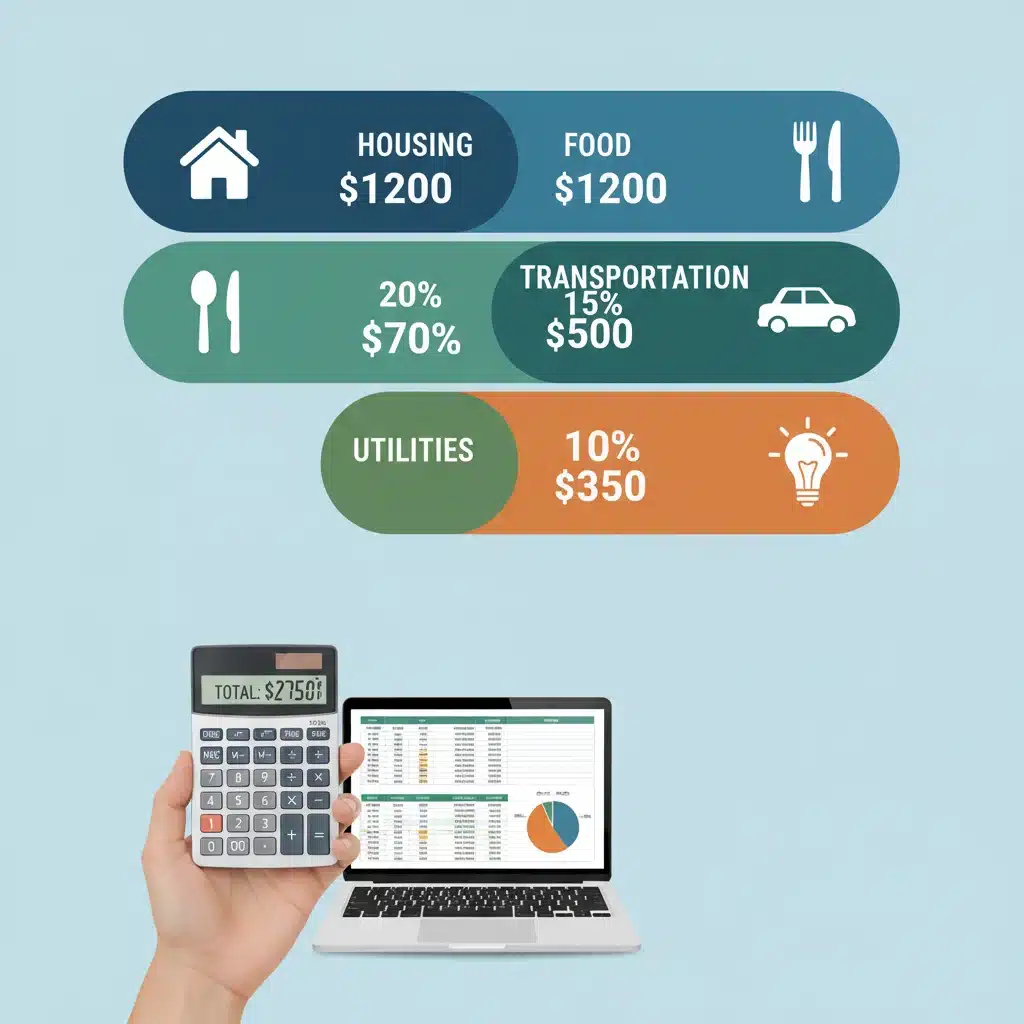
The first step in any effective emergency fund building strategy is to know exactly how much you need. Your target emergency fund should cover 3 to 6 months of essential living expenses. This means focusing on non-negotiable costs, not your entire lifestyle budget. Essential expenses typically include:
- Housing: Rent or mortgage payments, property taxes, homeowner’s insurance.
- Utilities: Electricity, gas, water, internet (often essential for work/communication).
- Food: Groceries for basic meals (not dining out).
- Transportation: Car payments, insurance, gas, public transport costs (to get to work/essential appointments).
- Healthcare: Insurance premiums, essential prescription costs.
- Minimum Debt Payments: Minimum payments on loans (student, car) and credit cards to avoid default.
Go through your bank statements and credit card bills from the last 3-6 months. Categorize every expense. Be ruthless in identifying what is truly essential. Add up these essential monthly expenses and multiply by 3, 4, 5, or 6 to get your target emergency fund amount. Aim for at least 3 months, but strive for 6 if possible, especially if your income is irregular or your job security is lower.
Day 8-15: Budget Overhaul – Finding Money to Save
Once you know your target, the next step is to find the money. This often requires a critical look at your current spending. Create a detailed budget if you don’t already have one. Identify areas where you can cut back, even temporarily, to accelerate your emergency fund building. This might include:
- Reducing discretionary spending (eating out, entertainment, subscriptions).
- Pausing non-essential purchases.
- Temporarily cutting back on expensive hobbies.
Even small cuts add up. For example, if you spend $10 on coffee daily, cutting that for 30 days saves you $300. This isn’t about deprivation forever, but a temporary sacrifice for a greater financial goal. Consider a ‘no-spend’ challenge for a week or two to maximize initial savings.
Day 16-22: Automate Your Savings
The most effective way to save is to make it automatic. Set up an automatic transfer from your checking account to a separate, dedicated savings account specifically for your emergency fund. This transfer should occur with every paycheck. Start with an amount that feels challenging but achievable based on your budget overhaul. The key is ‘set it and forget it.’ This removes the temptation to spend the money before it reaches your savings.
Day 23-30: Quick Wins – Boost Your Initial Savings
During this period, focus on generating quick cash infusions for your emergency fund. Look around your home for items you no longer use or need. Sell them on platforms like eBay, Facebook Marketplace, or local consignment shops. Consider:
- Old electronics, furniture, clothes, books.
- Gift cards you won’t use.
Every dollar from these sales goes directly into your emergency fund. This not only boosts your savings but also declutters your living space, offering a dual benefit. You might also consider taking on a small side gig for a few weeks, even just a few hours a week, to add extra cash.
Phase 2: Acceleration (Days 31-60) – Boosting Your Savings Power
With a solid foundation laid, Phase 2 focuses on accelerating your emergency fund building efforts. This involves optimizing your income and expenses further.
Day 31-40: Income Enhancement Strategies
To really supercharge your emergency fund, look beyond just cutting expenses and explore ways to increase your income, even temporarily:
- Side Hustles: Can you drive for a ride-sharing service, deliver food, freelance your skills (writing, graphic design, web development), or offer pet sitting? Even a few extra hours a week can make a significant difference.
- Overtime: If your employer offers overtime, consider picking up extra shifts if possible.
- Negotiate a Raise: If you’ve been performing well and haven’t had a raise recently, now might be the time to ask. Even a small increase can be directed entirely to your emergency fund.
- Sell More: Continue the decluttering process from Phase 1. You’ll be surprised how much more you can find to sell.
Commit to directing 100% of any extra income generated during this phase directly into your emergency fund. This is a temporary sprint, not a permanent lifestyle change, designed to get you to your goal faster.
Day 41-50: Expense Optimization & Renegotiation
Now, revisit your essential expenses. Are there opportunities to reduce them? This isn’t about cutting them out entirely, but making them more efficient:
- Insurance: Shop around for better rates on car insurance, home insurance, or even health insurance. You might find significant savings for the same or better coverage.
- Utilities: Look into energy-saving practices, adjusting your thermostat, or negotiating better rates with your internet/cable provider.
- Groceries: Plan meals, use coupons, buy generic brands, and avoid food waste.
- Subscriptions: Review all recurring subscriptions. Are there any you can pause or cancel, even temporarily?
Every dollar saved here is a dollar that can be added to your emergency fund. Make calls, compare prices, and be proactive in reducing your fixed costs.
Day 51-60: Debt Reduction Synergy (If Applicable)
While the primary goal is emergency fund building, if you have high-interest debt (e.g., credit card debt), you might consider a hybrid approach. Many financial experts recommend having a starter emergency fund ($1,000-$2,000) before aggressively tackling high-interest debt. If you’ve reached that starter goal, you might allocate a portion of your extra savings towards high-interest debt while still contributing to your emergency fund. The interest saved on debt can free up more money for your emergency fund in the long run. However, the core focus remains on building that emergency fund first and foremost.
Phase 3: Solidification & Maintenance (Days 61-90) – Reaching Your Goal and Beyond
The final phase is about pushing across the finish line, solidifying your emergency fund, and establishing habits for its long-term maintenance.
Day 61-75: Final Push & Goal Adjustment
By now, you should have a good chunk of your emergency fund saved. Review your progress. Are you on track to hit your 3-6 month target? If not, identify what adjustments you need to make. Can you:
- Increase your automatic savings transfer?
- Take on a few more hours of a side hustle?
- Cut back on one more discretionary expense?
This is the time to be extra diligent. Maintain the momentum you’ve built. Consider any windfalls – tax refunds, bonuses, unexpected gifts – and direct them immediately to your emergency fund.

Day 76-85: Where to Keep Your Emergency Fund
The location of your emergency fund is critical. It needs to be:
- Liquid: Easily accessible when you need it.
- Safe: Protected from market fluctuations.
- Separate: Not commingled with your everyday checking account to avoid accidental spending.
The best place for an emergency fund is typically a high-yield savings account (HYSA). These accounts offer better interest rates than traditional savings accounts, meaning your money grows a little, even while sitting there. They are also FDIC-insured, meaning your money is safe up to $250,000 per depositor, per bank. Avoid investing your emergency fund in the stock market, as its value can fluctuate, and you might need the money when the market is down.
Day 86-90: Celebrate and Plan for Maintenance
Congratulations! By day 90, you should have significantly boosted your emergency fund, if not fully funded it. Take a moment to acknowledge your hard work and discipline. This is a major financial accomplishment.
Now, shift your focus to maintenance. Your emergency fund isn’t a one-and-done deal. It needs to be replenished if you use it. Here’s how to maintain it:
- Keep it Separate: Don’t merge it back into your checking account.
- Replenish Immediately: If you dip into your fund, make it your top financial priority to replenish it as quickly as possible. Treat it like a bill you absolutely must pay.
- Review Annually: Your essential expenses might change over time. Review your emergency fund target annually to ensure it still covers 3-6 months of your current essential living costs.
Common Pitfalls to Avoid in Emergency Fund Building
While the 90-day plan provides a clear roadmap, certain obstacles can hinder your progress. Being aware of these pitfalls can help you navigate around them.
Mistake 1: Not Defining ‘Emergency’
An emergency fund is for true emergencies – unexpected and unavoidable expenses. It is NOT for:
- A new gadget you want.
- A planned vacation.
- Holiday shopping.
Clearly define what constitutes an emergency for you. Using your fund for non-emergencies defeats its purpose and leaves you vulnerable when a real crisis hits.
Mistake 2: Keeping it Too Accessible (or Not Accessible Enough)
Keeping your emergency fund in your checking account makes it too easy to spend. Conversely, putting it in an investment account where it’s subject to market volatility or locked away with penalties for early withdrawal makes it not accessible enough. The high-yield savings account strikes the perfect balance.
Mistake 3: Giving Up Too Soon
Emergency fund building is a marathon, not a sprint, even with a 90-day focus. There might be days when you feel discouraged or tempted to spend. Remind yourself of your ‘why’ – the financial security and peace of mind you are working towards. Stick to your automated savings plan and remember that every little bit helps.
Mistake 4: Not Adjusting for Life Changes
Life changes – marriage, children, job changes, moving to a new city – can all impact your essential expenses. Your emergency fund needs to be a dynamic figure, not a static one. Periodically review and adjust your target amount to reflect your current life circumstances.
Beyond the 90 Days: What Comes Next?
Once your emergency fund is fully established, you’ve achieved a significant milestone. But your financial journey doesn’t end there. With your safety net in place, you can confidently pursue other financial goals:
- Aggressive Debt Repayment: If you have any remaining high-interest debt, now is the time to tackle it with full force.
- Retirement Savings: Maximize contributions to your 401(k), IRA, or other retirement accounts.
- Investing: Begin investing for long-term wealth creation, knowing your emergency fund protects your investments from being prematurely liquidated.
- Specific Savings Goals: Save for a down payment on a house, a child’s education, or a dream vacation.
Having a fully funded emergency fund frees up your other income to work harder for your future, without the constant worry of unexpected events derailing your progress.
Conclusion: Your Path to Financial Freedom in 2026
Building an emergency fund is arguably the most crucial step in achieving financial security. It’s the foundation upon which all other financial goals are built. Our 90-day plan for emergency fund building in 2026 provides a clear, actionable roadmap to help you save 3-6 months of living expenses, transforming your financial outlook.
Remember, consistency is key. Small, consistent actions over 90 days will lead to remarkable results. Start today by calculating your essential expenses, identifying areas to save, and automating your contributions. The peace of mind and financial resilience you gain will be invaluable, empowering you to face the future with confidence and pursue your dreams without the constant fear of the unknown.
Don’t wait for a crisis to realize the importance of an emergency fund. Take control of your financial future now. The next 90 days could be the most financially transformative period of your life.