3-Month Financial Health Check: Debt Reduction & Wealth Building in 2026
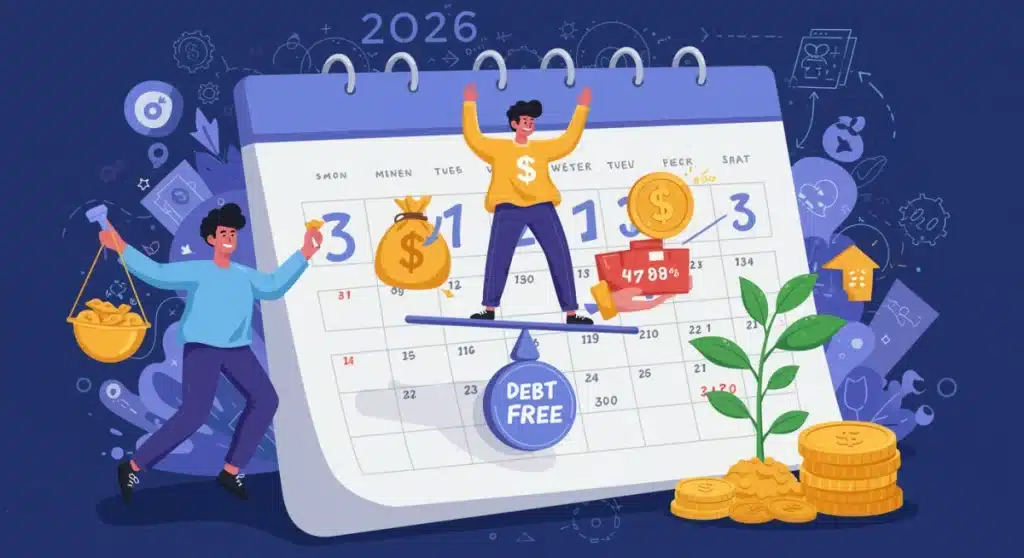
Are you ready to take control of your financial destiny in 2026? The thought of achieving financial freedom, reducing debt, and building substantial wealth can often feel overwhelming, like climbing an insurmountable mountain. However, what if you could make significant strides towards these goals in just three months? A focused, strategic financial health check can be your blueprint, transforming daunting aspirations into achievable milestones. This comprehensive guide will walk you through a powerful 3-month plan designed to optimize your financial standing, reduce debt, and set you firmly on the path to wealth creation.
In today’s rapidly evolving economic landscape, proactive financial management is no longer a luxury but a necessity. The year 2026 presents unique opportunities and challenges, making it crucial to adapt and refine your money habits. Whether you’re grappling with credit card debt, student loans, or simply looking to supercharge your savings and investments, this 3-month financial health check provides a structured, actionable framework. By breaking down complex financial tasks into manageable weekly and monthly goals, you’ll gain clarity, build momentum, and witness tangible progress.
This isn’t just about cutting expenses; it’s about fundamentally reshaping your relationship with money, understanding your financial behaviors, and implementing sustainable strategies for long-term prosperity. We’ll delve into the nitty-gritty of budgeting, debt repayment tactics, smart saving, and beginner-friendly investment strategies. By the end of this intensive 90-day period, you won’t just have a healthier bank account; you’ll have a robust financial plan and the confidence to navigate your financial future with assurance. Let’s embark on this transformative journey together and make 2026 your most financially successful year yet!
Month 1: The Foundation – Understanding Your Financial Landscape
The first month of your financial health check is all about laying a solid foundation. You can’t build a strong house without a blueprint, and similarly, you can’t improve your finances without a clear understanding of where you stand. This month focuses on auditing your current financial situation, identifying spending patterns, and setting realistic, measurable goals.
Week 1: Financial Audit & Goal Setting
Your journey begins with a thorough financial audit. This means gathering all your financial documents: bank statements, credit card statements, loan documents, investment portfolio statements, and pay stubs. The goal is to get a complete picture of your income, expenses, assets, and liabilities.
- Track Your Spending: For one week, meticulously track every single penny you spend. Use a budgeting app, a spreadsheet, or even a simple notebook. This exercise is often eye-opening and reveals where your money truly goes.
- Calculate Your Net Worth: List all your assets (what you own: cash, savings, investments, property value) and all your liabilities (what you owe: credit card debt, loans, mortgage). Your net worth is Assets – Liabilities. This number provides a baseline for your financial progress.
- Define Your Financial Goals: What do you want to achieve in the next 3 months, 1 year, 5 years? Be specific. Examples include: “Reduce credit card debt by $X,” “Save $Y for a down payment,” “Build an emergency fund of 3 months’ expenses.” Make your goals SMART: Specific, Measurable, Achievable, Relevant, and Time-bound.
- Review Your Credit Report: Obtain your free credit report from AnnualCreditReport.com. Check for any errors and understand your credit score. A good credit score is crucial for future financial endeavors.
Week 2: Crafting Your Budget
With your financial audit complete, it’s time to build a realistic and sustainable budget. A budget isn’t about restriction; it’s about intentional spending and ensuring your money aligns with your goals.
- Categorize Expenses: Based on your spending tracking from Week 1, categorize your expenses into fixed (rent, mortgage, loan payments) and variable (groceries, entertainment, dining out).
- Implement a Budgeting Method: Experiment with different budgeting methods. The 50/30/20 rule (50% needs, 30% wants, 20% savings/debt repayment) is a popular starting point. Other methods include zero-based budgeting or the envelope system. Choose one that resonates with you and is easy to stick to.
- Identify Areas for Cuts: Look for expenses that can be reduced or eliminated without significantly impacting your quality of life. This could be unused subscriptions, daily coffee runs, or eating out less frequently.
- Automate Savings: Set up automatic transfers from your checking to your savings account each payday. Even small, consistent contributions add up.
Week 3: Debt Assessment & Strategy
Debt can be a major impediment to wealth building. This week focuses on understanding your debt, prioritizing it, and choosing a repayment strategy.
- List All Debts: Create a comprehensive list of all your debts, including the creditor, outstanding balance, interest rate, and minimum monthly payment.
- Prioritize High-Interest Debt: High-interest debts, like credit cards, are the most damaging to your financial health. They should be your primary focus.
- Choose a Repayment Strategy:
- Debt Snowball Method: Pay off the smallest debt first to gain psychological momentum, then roll that payment into the next smallest debt.
- Debt Avalanche Method: Pay off the debt with the highest interest rate first, saving you the most money in the long run.
Choose the method that best suits your personality and motivation.
- Negotiate Interest Rates: Call your credit card companies and ask if they can lower your interest rates. You’d be surprised how often they agree, especially if you have a good payment history.
Week 4: Emergency Fund & Income Optimization
Before aggressively tackling debt or investing, ensure you have a safety net. This week also explores ways to boost your income.
- Start Your Emergency Fund: Aim to save at least $1,000 as a starter emergency fund. This prevents you from going into debt for unexpected expenses. Ideally, you want 3-6 months of living expenses saved.
- Review Your Income Streams: Are you maximizing your current income? Could you ask for a raise? Are there opportunities for overtime or bonuses?
- Explore Side Gigs: Consider a side hustle to accelerate your debt repayment or emergency fund growth. This could be freelancing, pet sitting, delivering food, or selling unused items.
- Optimize Your Benefits: Review your workplace benefits. Are you contributing enough to your 401(k) to get the employer match? Are you utilizing health savings accounts (HSAs) if available?
Month 2: Accelerating Progress – Debt Attack & Smart Savings
Month 2 is where the rubber meets the road. Having established your financial baseline and budget, you’ll now focus on aggressive debt reduction and optimizing your savings. This phase demands discipline and consistent effort, but the rewards are immense.
Week 5: Aggressive Debt Repayment
With your chosen debt repayment strategy in place, it’s time to execute with vigor. Every extra dollar you put towards high-interest debt saves you money in the long run.
- Allocate Extra Funds: Any extra money from side gigs, bonuses, or budget cuts should be directed towards your prioritized debt.
- Consider Debt Consolidation: For high-interest credit card debt, explore options like a balance transfer credit card with a 0% introductory APR (if you can pay it off before the intro period ends) or a personal loan with a lower interest rate. Be cautious, as these can be pitfalls if not managed properly.
- Avoid New Debt: Commit to not taking on any new debt during this financial health check period. Cut up credit cards if necessary, or freeze them.
- Track Your Progress: Visually track your debt reduction. Seeing the balances decrease can be incredibly motivating.
Week 6: Supercharging Your Emergency Fund
Your starter emergency fund is good, but a fully funded one is better. This week, focus on building it up to 3-6 months of essential living expenses.
- Set Up a Dedicated High-Yield Savings Account: Move your emergency fund to an account that offers a higher interest rate than traditional checking accounts. This helps your money grow while remaining accessible.
- Review and Adjust Budget for Savings: Revisit your budget and see if you can reallocate more funds towards your emergency savings. Perhaps you found more areas to cut expenses in Month 1.
- Maintain Automation: Keep your automatic transfers to your emergency fund consistent.
Week 7: Optimizing Your Spending & Finding Hidden Savings
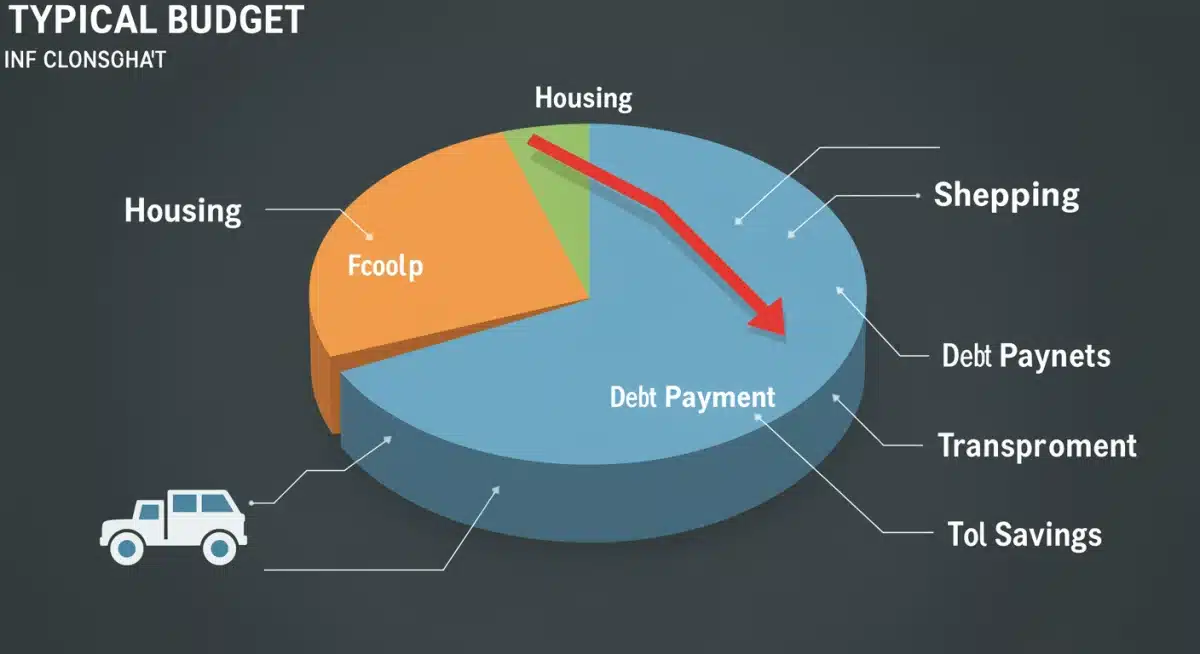
Even after initial cuts, there are often more opportunities to optimize your spending and find extra cash.
- Review Recurring Expenses: Go through all your subscriptions, bills, and monthly payments. Are there any you can cancel, downgrade, or negotiate? Think streaming services, gym memberships, internet plans, and insurance premiums.
- Meal Planning & Grocery Optimization: Plan your meals for the week, create a grocery list, and stick to it. Avoid impulse purchases. Consider buying generic brands or in bulk for non-perishables.
- Energy Efficiency: Look for ways to reduce utility bills. Unplug electronics, use energy-efficient lighting, and adjust your thermostat. These small changes add up.
- DIY vs. Buy: For certain items or services, consider if you can do it yourself instead of paying someone else. This could be car maintenance, home repairs, or even making your own coffee.
Week 8: Insurance & Financial Protection Review
Protecting your assets and income is a critical, yet often overlooked, aspect of a comprehensive financial health check.
- Review All Insurance Policies: Check your auto, home/renters, health, life, and disability insurance policies. Are you adequately covered? Are you overpaying? Get quotes from multiple providers to ensure you’re getting the best rates for your coverage needs.
- Understand Your Deductibles: Know what your deductibles are and ensure you have enough in your emergency fund to cover them if needed.
- Consider Life Insurance: If you have dependents, life insurance is crucial. Term life insurance is often the most cost-effective option.
- Evaluate Disability Insurance: Your ability to earn an income is your greatest asset. Disability insurance protects that asset if you become unable to work.
Month 3: Building Wealth – Investing & Long-Term Planning
With debt under control and a solid emergency fund, Month 3 shifts focus to wealth accumulation. This is where your money starts working for you, building a future of financial security and freedom. This final phase of your financial health check is about strategic growth and long-term vision.
Week 9: Introduction to Investing
Don’t be intimidated by investing. Start small, educate yourself, and focus on long-term growth.
- Understand Investment Basics: Learn about different investment vehicles like stocks, bonds, mutual funds, and exchange-traded funds (ETFs). Understand concepts like diversification, risk tolerance, and compound interest.
- Maximize Retirement Accounts: If you have access to a 401(k) or similar workplace retirement plan, contribute at least enough to get the full employer match – it’s free money! Explore Roth IRAs or Traditional IRAs for additional tax-advantaged savings.
- Open a Brokerage Account: For investments beyond retirement accounts, open a taxable brokerage account. Consider low-cost index funds or ETFs as a starting point for beginners.
- Start Small and Automate: Begin with an amount you’re comfortable with, even if it’s just $50 or $100 per month. Set up automatic investments to ensure consistency.
Week 10: Diversification & Risk Management
Diversification is key to managing risk in investing. Don’t put all your eggs in one basket.
- Diversify Across Asset Classes: Spread your investments across different types of assets (stocks, bonds, real estate).
- Diversify Within Asset Classes: If investing in stocks, don’t just buy one company. Invest in a variety of companies across different industries and geographies, often achieved through index funds or ETFs.
- Understand Your Risk Tolerance: How much volatility can you comfortably handle? Your age, financial goals, and personal temperament will influence this. Younger investors with a longer time horizon can typically afford to take on more risk.
- Rebalance Your Portfolio: Periodically review your investment portfolio (e.g., once a year) to ensure it still aligns with your desired asset allocation and risk tolerance.

Week 11: Advanced Savings & Future Planning
This week focuses on optimizing your savings for specific future goals and thinking about legacy planning.
- Save for Specific Goals: Beyond your emergency fund, create separate savings goals for things like a down payment on a house, a new car, education, or a dream vacation. Use separate savings accounts for each goal to keep them distinct.
- Explore Education Savings: If you have children, investigate 529 plans or other education savings vehicles to leverage tax advantages for future tuition costs.
- Consider Estate Planning Basics: While this can be complex, start with the basics. Consider drafting a simple will and designating beneficiaries for your financial accounts. This ensures your assets are distributed according to your wishes.
- Review Tax Efficiency: Understand basic tax-advantaged accounts and strategies. Maximize contributions to 401(k)s, IRAs, and HSAs. Consult a tax professional for personalized advice.
Week 12: Review, Adjust & Maintain Momentum
You’ve reached the end of your 3-month intensive financial health check! This final week is about consolidating your achievements, making necessary adjustments, and establishing habits for ongoing financial success.
- Review Progress Against Goals: Look back at the goals you set in Week 1. How far have you come? Celebrate your successes!
- Adjust Your Budget: Your life and financial situation are dynamic. Your budget should be too. Make any necessary adjustments based on your experiences over the past three months.
- Schedule Regular Check-ins: Commit to regular financial check-ups – monthly, quarterly, or annually – to review your budget, investments, and overall financial plan.
- Continue Learning: Financial education is an ongoing process. Read books, listen to podcasts, and follow reputable financial news sources to stay informed.
- Seek Professional Advice: If you have complex financial situations or simply want expert guidance, consider consulting a fee-only financial planner.
Beyond the 3-Month Financial Health Check: Sustaining Your Success
Completing this 3-month financial health check is a monumental achievement, but true financial health is a marathon, not a sprint. The habits and knowledge you’ve gained are your most valuable assets moving forward. Here’s how to ensure your financial well-being continues to flourish beyond the initial 90 days:
Embrace Continuous Learning and Adaptation
The financial world is constantly changing. New investment opportunities emerge, economic conditions shift, and your personal circumstances evolve. Make it a habit to stay informed. Subscribe to reputable financial newsletters, read books on personal finance, and attend webinars. Understanding market trends and economic forecasts, even at a basic level, empowers you to make more informed decisions. Furthermore, be prepared to adapt your financial plan as life unfolds. A new job, a growing family, or an unexpected expense might require a recalibration of your budget and goals. Flexibility is key to long-term financial resilience.
Automate for Consistency
One of the most powerful tools for sustaining financial progress is automation. Continue to automate your savings, debt payments (beyond the minimum), and investment contributions. When money is automatically moved before you even see it, you remove the temptation to spend it. This ‘set it and forget it’ approach ensures consistent progress towards your goals, even when life gets busy. Review these automated transfers periodically to ensure they still align with your current income and goals.
Regular Financial Reviews
Just as you conducted a thorough financial health check over three months, establish a routine for ongoing financial reviews. A monthly check-in can be quick: review your budget, track your spending, and ensure you’re on track with debt repayment and savings goals. A quarterly review might involve a deeper dive into your investment performance, checking your credit report, and assessing your overall net worth. Annually, consider a comprehensive review that includes updating your will, reviewing insurance policies, and rebalancing your investment portfolio. These regular touchpoints prevent small issues from snowballing into larger problems.
Build a Support System
Financial journeys can sometimes feel isolating. Share your goals with a trusted partner, family member, or friend who can offer support and accountability. Consider joining online financial communities where you can exchange ideas and learn from others’ experiences. If your financial situation becomes complex or you’re facing significant life changes, don’t hesitate to seek advice from a certified financial planner. Their expertise can provide invaluable guidance and peace of mind.
Celebrate Milestones (Responsibly!)
Financial progress isn’t always glamorous, but it’s important to acknowledge and celebrate your achievements along the way. Did you pay off a credit card? Did you hit a savings goal? Did your net worth increase by a significant amount? Acknowledge these milestones. This doesn’t mean splurging on an expensive item that undermines your progress. Instead, find small, meaningful ways to reward yourself that reinforce positive financial behaviors. This could be a nice meal out, a small experience, or a guilt-free purchase that fits within your budget. Celebrating keeps you motivated and reminds you that your hard work is paying off.
Stay Focused on Your ‘Why’
Finally, always remember the core reasons behind your financial efforts. Is it for early retirement? To provide for your family? To travel the world? To achieve true financial independence? Keeping your ‘why’ at the forefront of your mind provides powerful motivation during challenging times and helps you make choices that align with your long-term vision. This financial health check is just the beginning of a lifelong journey towards financial empowerment and achieving your dreams.
Conclusion: Your Path to Financial Empowerment in 2026 and Beyond
Congratulations! By diligently following this 3-month financial health check, you have not only embarked on a journey of financial transformation but have also equipped yourself with the tools, knowledge, and discipline necessary to maintain and enhance your financial health for years to come. In 2026, you have taken proactive steps to understand your financial landscape, aggressively tackle debt, build robust savings, and strategically begin your wealth-building journey.
Remember, financial success is not about perfection, but about consistent progress and continuous learning. There will be bumps in the road, unexpected expenses, and moments of doubt. However, with the solid foundation you’ve built over these past three months, you are better prepared to navigate these challenges and stay on course towards your financial goals. The habits you’ve cultivated – mindful spending, regular budgeting, diligent saving, and strategic investing – are powerful assets that will serve you throughout your life.
This guide was designed to be a starting point, a catalyst for change. The real work, the ongoing commitment to your financial well-being, now falls to you. Embrace the journey, celebrate your achievements, and never stop learning. Your financial future is brighter than ever, and 2026 is just the beginning of your empowered financial story. Keep checking in, keep adjusting, and keep growing. Your future self will thank you for the dedication you’ve shown today in mastering your financial health check.