Avoiding Social Security Overpayments: 2026 Guidelines & Solutions

Avoiding Social Security overpayments requires beneficiaries to understand 2026 guidelines, promptly report changes, and be aware of available repayment options to prevent financial hardship.
Navigating the complexities of Social Security benefits can be challenging, especially when unexpected issues like overpayments arise. Avoiding Social Security overpayments: 2026 guidelines and repayment options (practical solutions) is essential for beneficiaries to maintain financial stability and ensure they receive the correct amount of assistance. This comprehensive guide will equip you with the knowledge and strategies needed to prevent overpayments, understand the latest regulations, and effectively manage any repayment scenarios in 2026.
Understanding Social Security Overpayments in 2026
Social Security overpayments occur when the Social Security Administration (SSA) pays a beneficiary more money than they are entitled to receive. These overpayments can stem from various reasons, often unintentional, and can create significant stress and financial burden for individuals and families. Understanding the common causes and how the SSA identifies them is the first step toward prevention.
The SSA’s systems are constantly being updated to improve accuracy, and 2026 brings refined processes for identifying discrepancies. Beneficiaries need to be aware of these changes to ensure their records are always up-to-date, minimizing the risk of an overpayment notice.
Common Causes of Overpayments
Overpayments can happen for several reasons, many of which are related to changes in a beneficiary’s circumstances that are not promptly reported to the SSA. It is the beneficiary’s responsibility to keep their information current.
- Changes in income or work activity: For those receiving disability benefits or Supplemental Security Income (SSI), earning above certain thresholds can reduce or terminate benefits, leading to overpayments if not reported.
- Changes in living arrangements or marital status: SSI benefits are often dependent on household composition and income, so moving or getting married can affect eligibility.
- Failure to report a death: If a beneficiary dies and payments continue to be deposited, this will result in an overpayment that the estate or surviving family members may be responsible for.
- Administrative errors: Sometimes, the SSA itself makes a mistake in calculating or issuing payments. While less common, these still result in an overpayment that needs to be addressed.
Staying informed about these potential triggers and acting quickly to report any changes can significantly reduce the likelihood of an overpayment. The SSA provides various channels for reporting, including online, by phone, or in person.
In essence, an overpayment is a discrepancy between what was paid and what should have been paid. The SSA works diligently to ensure accuracy, but the onus is also on the beneficiary to provide timely and precise information. Being proactive is the best defense against receiving an overpayment notice.
2026 Guidelines for Reporting Changes and Preventing Overpayments
The Social Security Administration continuously updates its guidelines to streamline processes and enhance accountability. For 2026, there is an increased emphasis on timely and accurate reporting of life changes that could impact benefit eligibility and amounts. Beneficiaries must familiarize themselves with these updated requirements to proactively avoid overpayments.
The SSA has invested in digital tools to make reporting easier, but it remains the beneficiary’s responsibility to utilize these tools effectively. Understanding the specific types of information that need to be reported is paramount.
Key Reporting Requirements for 2026
Several types of changes are critical to report to the SSA. Failure to do so promptly can lead to significant overpayments down the line. These requirements apply broadly across different Social Security programs.
- Income and employment changes: Any new employment, increase in earnings, or cessation of work should be reported immediately, especially for those receiving disability or SSI benefits.
- Living arrangement modifications: Changes in who lives in your household, moving to a different state, or changes in institutionalization status can affect SSI benefits.
- Marital status alterations: Getting married, divorced, or widowed can impact various Social Security benefit types, including spousal and survivor benefits.
- Resource changes: For SSI recipients, increases in bank accounts, property, or other assets above the allowable limits must be reported.
The SSA recommends reporting changes within 10 days of the month following the change, though sooner is always better. This promptness allows the SSA to adjust your benefits before an overpayment accrues.
Beyond individual reporting, the SSA also utilizes data matching programs with other federal and state agencies to identify discrepancies. While these programs help catch unreported changes, they are not a substitute for a beneficiary’s obligation to report directly. Staying ahead of these systems by self-reporting ensures accuracy and prevents potential issues.
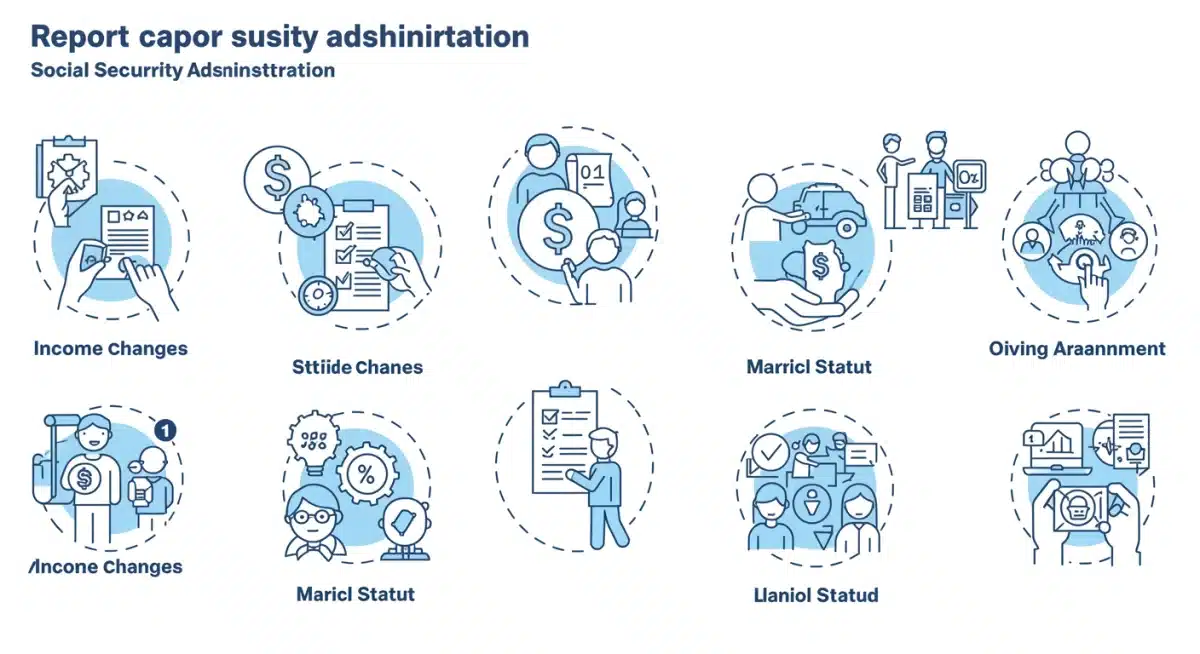
The 2026 guidelines underscore the importance of transparency and accuracy in all interactions with the SSA. By adhering to these reporting standards, beneficiaries can significantly reduce their exposure to overpayments and maintain their financial security.
Identifying and Responding to an Overpayment Notice
Receiving an overpayment notice from the Social Security Administration can be alarming and confusing. It is crucial to remain calm, carefully review the notice, and understand your rights and options. The notice will detail the overpayment amount, the period it covers, and the reason for the overpayment. Do not ignore it; prompt action is essential.
The SSA’s communication regarding overpayments is designed to be clear, but the terminology can still be daunting. Taking the time to understand each component of the notice is key to formulating an effective response.
Steps to Take Upon Receiving a Notice
Your immediate response to an overpayment notice can significantly influence the outcome. There are specific actions you should prioritize to protect your interests.
- Review the notice thoroughly: Check the dates, amounts, and stated reasons for the overpayment. Ensure you understand why the SSA believes you were overpaid.
- Gather supporting documentation: Collect any records that might prove you were entitled to the benefits received, or that explain why the overpayment occurred (e.g., pay stubs, bank statements, medical records).
- Contact the SSA: If anything is unclear, or if you believe the notice is incorrect, contact the SSA immediately. You can request a detailed explanation of the overpayment calculation.
- Understand your appeal rights: You generally have 60 days from the date you receive the notice to appeal the overpayment decision. If you appeal within 30 days, your benefits will usually continue while the appeal is processed.
It is important to remember that you have the right to challenge an overpayment decision if you believe it is wrong. Failing to respond within the specified timeframe can result in the SSA initiating collection actions, which might include withholding future benefits.
Even if you agree with the overpayment, understanding your repayment options is vital. The SSA offers various methods for repayment, and negotiating a manageable plan can alleviate financial strain. Ignoring the notice will only worsen the situation, potentially leading to more aggressive collection efforts by the SSA.
Repayment Options and Negotiating with the SSA
Once an overpayment is confirmed, either through agreement or after an unsuccessful appeal, the next step is to address repayment. The Social Security Administration understands that immediate lump-sum repayment can be a hardship for many beneficiaries. Therefore, they offer several flexible repayment options. It is crucial to proactively engage with the SSA to negotiate a plan that works for your financial situation.
The goal is to establish a repayment agreement that is fair and sustainable, preventing further financial difficulties. The SSA is generally willing to work with beneficiaries to find a suitable solution.
Available Repayment Methods
The SSA provides a few primary methods for beneficiaries to repay an overpayment. The best option depends on your financial capacity and the amount of the overpayment.
- Lump-sum payment: If you can afford it, paying the entire overpayment amount at once can resolve the issue quickly.
- Monthly installment payments: This is the most common option. You can request to repay the overpayment in smaller, manageable monthly installments. The SSA typically aims for a repayment amount that is 10% of your monthly benefit, but this can be negotiated based on your ability to pay.
- Reduction of future benefits: The SSA can withhold a portion of your future monthly benefits until the overpayment is recovered. This is often the default if no other arrangement is made.
- Voluntary refund: You can send payments directly to the SSA by check or money order.
When negotiating installment payments, be prepared to provide detailed information about your income, expenses, and assets. The SSA will use this information to determine a reasonable payment plan. Do not agree to a payment you cannot afford, as defaulting on an agreement can lead to further complications.
If you are experiencing severe financial hardship, you may also be eligible for a waiver of the overpayment, which means you would not have to repay it. This is a separate process from repayment and has specific criteria, which will be discussed in the next section. Always communicate openly and honestly with the SSA to explore all available options.
Waivers, Appeals, and Reconsideration Processes
Even if an overpayment is valid, beneficiaries often have avenues to request a waiver or appeal the decision if they believe it is incorrect. Understanding these processes is critical, as they can significantly impact whether you have to repay the money. The SSA has formal procedures in place for these requests, and adhering to them is essential.
These options provide a safety net for individuals who genuinely cannot afford to repay or who believe the overpayment was not their fault. It is important to act within the specified timeframes.
Requesting a Waiver of Overpayment
A waiver request asks the SSA to forgive the overpayment. To be granted a waiver, you must meet two conditions:
- You were not at fault: This means you did not cause the overpayment and were not aware that you were receiving money you weren’t entitled to. For example, if the SSA made an administrative error and you reasonably believed the payments were correct.
- Repayment would cause financial hardship: This means that repaying the overpayment would prevent you from meeting your ordinary and necessary living expenses, or it would be against equity and good conscience.
When applying for a waiver, you will need to complete Form SSA-632 (Request for Waiver of Overpayment Recovery) and provide detailed financial information. The SSA will review your income, assets, and expenses to determine if repayment would indeed cause hardship. Providing thorough documentation is key to a successful waiver request.
Appealing an Overpayment Decision
If you believe the overpayment itself is incorrect, or if your waiver request is denied, you have the right to appeal. The appeals process typically involves several levels:
- Reconsideration: This is the first level of appeal. A different SSA employee reviews your case.
- Hearing by an Administrative Law Judge (ALJ): If reconsideration is denied, you can request a hearing before an ALJ. You can present evidence and testimony at this stage.
- Appeals Council review: If the ALJ’s decision is unfavorable, you can ask the Appeals Council to review the decision.
- Federal Court review: As a final step, you can file a lawsuit in federal district court.
It is highly advisable to seek assistance from a legal aid attorney or a qualified advocate if you plan to appeal an overpayment decision, especially at the ALJ or Appeals Council levels. Their expertise can be invaluable in navigating the complex legal requirements and presenting your case effectively. Understanding these processes empowers you to challenge decisions and seek relief from overpayment obligations.
Proactive Strategies for Avoiding Overpayments in 2026
The best way to deal with Social Security overpayments is to prevent them from happening in the first place. By adopting proactive strategies and staying vigilant about your benefit information, you can significantly reduce your risk. These strategies involve a combination of diligent record-keeping, regular communication with the SSA, and staying informed about relevant policies.
Prevention is always less stressful and financially burdensome than dealing with an overpayment after it occurs. Establishing good habits now can save you considerable trouble in the future.
Essential Prevention Tips
Implementing these practical solutions can help you maintain accurate benefit payments and avoid the stress of an overpayment notice.
- Regularly review your SSA statements: Periodically check your Social Security statements and benefit notices for accuracy. If anything seems incorrect, contact the SSA immediately.
- Report changes promptly: As discussed, timely reporting of income, living arrangements, marital status, and other relevant life events is paramount. Use the SSA’s online services, phone lines, or visit a local office.
- Keep detailed records: Maintain copies of all correspondence with the SSA, including applications, reporting forms, and benefit notices. Also, keep records of your income, assets, and any other information relevant to your benefits.
- Understand your benefit type: Be fully aware of the specific rules and eligibility requirements for the type of Social Security benefit you receive (e.g., retirement, disability, SSI).
- Ask questions: If you are unsure about how a life event might impact your benefits, do not hesitate to contact the SSA for clarification before making assumptions.
Consider setting up reminders for yourself to review your SSA account or to check for any potential changes that need reporting. For instance, if you are working while receiving disability benefits, keep a close watch on your earnings to ensure you do not exceed the Substantial Gainful Activity (SGA) limits. Proactive engagement with your benefits ensures you are always in compliance.
By taking these preventative measures, you are not only protecting yourself from potential overpayments but also ensuring the smooth and continuous flow of the benefits you are rightfully entitled to. Staying informed and organized is your strongest defense against Social Security overpayment issues in 2026 and beyond.
Leveraging SSA Resources and Professional Assistance
Navigating Social Security overpayments, appeals, and waivers can be a complex and often overwhelming process. Fortunately, the Social Security Administration provides numerous resources to help beneficiaries, and various professional assistance options are also available. Utilizing these resources can make a significant difference in how effectively you manage an overpayment situation.
Do not feel that you have to tackle these challenges alone. There are support systems designed to guide you through the intricacies of Social Security regulations and procedures.
SSA Resources for Beneficiaries
The SSA offers several official channels and tools that can be invaluable when dealing with benefit issues:
- My Social Security account: This online portal allows you to check your benefit status, review earnings records, and sometimes report changes directly. It’s an excellent first stop for information.
- SSA.gov website: The official website is a treasure trove of information, including detailed explanations of policies, forms, and FAQs. Look for specific sections on overpayments and appeals.
- Toll-free national helpline: You can call the SSA directly to speak with a representative about your specific situation, ask questions, and report changes.
- Local Social Security offices: For in-person assistance, visiting a local office can provide personalized guidance and help with completing forms. Be prepared for potential wait times.
When communicating with the SSA, always keep a record of who you spoke with, the date, and a summary of the conversation. This can be crucial if any discrepancies arise later.
Seeking Professional Assistance
For more complex cases, or if you feel overwhelmed, professional help can be invaluable:
- Legal aid services: Many non-profit organizations offer free or low-cost legal assistance to individuals with limited income who are dealing with Social Security issues.
- Social Security advocates: These professionals specialize in Social Security law and can represent you during appeals or waiver requests. They often work on a contingency basis, meaning they only get paid if you win your case.
- Attorneys specializing in Social Security: For intricate legal challenges, an attorney can provide expert representation and guidance through the appeals process, particularly at the administrative law judge and federal court levels.
Choosing the right type of assistance depends on the complexity of your situation and your financial resources. A brief consultation with a legal aid service or advocate can often help you understand your options and the best course of action. Leveraging these resources ensures you are well-equipped to manage any Social Security overpayment challenges effectively.
| Key Aspect | Brief Description |
|---|---|
| Prevention | Timely reporting of income, marital, and living changes to the SSA is crucial to avoid overpayments. |
| Overpayment Notice | Review notices carefully, gather documentation, and contact SSA promptly to understand the issue. |
| Repayment Options | Negotiate installment plans, lump sums, or benefit reductions based on financial ability with the SSA. |
| Waivers & Appeals | Request a waiver if not at fault and repayment causes hardship, or appeal incorrect decisions through formal processes. |
Frequently Asked Questions About Social Security Overpayments
A Social Security overpayment occurs when the Social Security Administration (SSA) pays a beneficiary more money than they were legally entitled to receive. This can happen due to various reasons, such as unreported changes in income, living arrangements, or marital status, or even administrative errors by the SSA itself.
To prevent overpayments in 2026, it is crucial to promptly report any changes in your income, work activity, living arrangements, or marital status to the SSA. Regularly review your benefit statements and keep accurate records of all communications and documentation related to your Social Security benefits.
If you receive an overpayment notice, carefully review it to understand the stated reason and amount. Gather any supporting documents, contact the SSA for clarification if needed, and understand your rights to appeal the decision or request a waiver within the specified timeframe, usually 60 days.
Yes, the SSA offers several repayment options, including monthly installment plans tailored to your financial ability, or a reduction of future benefits. You may also be eligible to request a waiver of the overpayment if you were not at fault and repayment would cause financial hardship.
To request a waiver, you must demonstrate that you were not at fault for the overpayment and that repaying it would cause you financial hardship. You’ll need to complete Form SSA-632 and provide detailed financial information for the SSA to assess your eligibility for the waiver.
Conclusion
Navigating the landscape of Social Security benefits in 2026, particularly concerning overpayments, requires diligence and informed action. By understanding the causes of overpayments, adhering to updated reporting guidelines, and knowing your rights regarding appeals and repayment options, beneficiaries can effectively manage their financial responsibilities. Proactive communication with the SSA and leveraging available resources are key to ensuring the stability of your benefits and avoiding undue financial stress. Staying informed and prepared is your strongest asset in maintaining a secure financial future with Social Security.