Student Loan Consolidation 2026: Lower Your Interest Rate by 1-2%

In the evolving landscape of personal finance, managing student loan debt remains a significant challenge for millions. As we look ahead to 2026, the prospect of student loan consolidation offers a beacon of hope for many borrowers seeking to streamline their payments and, more importantly, reduce their overall interest burden. This comprehensive guide will walk you through the intricacies of student loan consolidation in 2026, focusing on strategies to potentially lower your interest rate by a significant 1% to 2%.
The financial climate is constantly shifting, and understanding how these changes impact your student loans is crucial. With interest rates potentially fluctuating, acting strategically can save you thousands over the life of your loans. Student loan consolidation isn’t just about combining multiple payments into one; it’s a powerful financial tool that, when used correctly, can dramatically alter your repayment trajectory. Our aim is to provide you with a step-by-step roadmap, ensuring you are well-equipped to make informed decisions about your financial future.
Understanding Student Loan Consolidation in 2026
Before diving into the ‘how-to,’ it’s essential to grasp what student loan consolidation truly means in the context of 2026. Essentially, consolidation involves taking out a new loan to pay off several existing student loans. This results in a single, new loan with one monthly payment and, ideally, a more favorable interest rate. It’s often confused with refinancing, but there are key distinctions we’ll explore.
Federal vs. Private Student Loan Consolidation
There are two primary avenues for student loan consolidation: federal and private. Each has its own set of rules, benefits, and drawbacks.
Federal Student Loan Consolidation (Direct Consolidation Loan)
A Direct Consolidation Loan is offered by the U.S. Department of Education. This option allows you to combine multiple federal student loans into a single federal loan. The interest rate for a Direct Consolidation Loan is the weighted average of the interest rates on the loans being consolidated, rounded up to the nearest one-eighth of a percentage point. While this might not always result in a lower interest rate, it can streamline your payments and open doors to additional federal loan benefits, such as:
- Access to various income-driven repayment (IDR) plans.
- Eligibility for Public Service Loan Forgiveness (PSLF).
- Deferment and forbearance options.
For borrowers with a mix of older federal loans (like FFEL Program loans) and newer Direct Loans, consolidation can be particularly beneficial for qualifying for certain programs. However, it’s crucial to understand that consolidating federal loans will not, by itself, lower your interest rate beyond the weighted average. The primary benefits here are simplification and access to federal protections.
Private Student Loan Consolidation (Refinancing)
Private student loan consolidation is often referred to as refinancing. This involves taking out a new loan from a private lender (banks, credit unions, online lenders) to pay off both federal and private student loans. The significant advantage here is the potential to secure a lower interest rate, especially if your credit score has improved since you first took out your loans. Private lenders base their interest rates on your creditworthiness, income, and debt-to-income ratio.
This is where the opportunity to lower your interest rate by 1% to 2% or even more truly lies. However, refinancing federal loans with a private lender means forfeiting crucial federal benefits like IDR plans, PSLF, and flexible deferment/forbearance options. This trade-off must be carefully considered.
Why Consider Student Loan Consolidation in 2026?
The year 2026 presents a unique set of circumstances that could make student loan consolidation particularly attractive. Economic forecasts, potential changes in interest rate environments, and individual financial improvements all play a role.
Potential for Lower Interest Rates
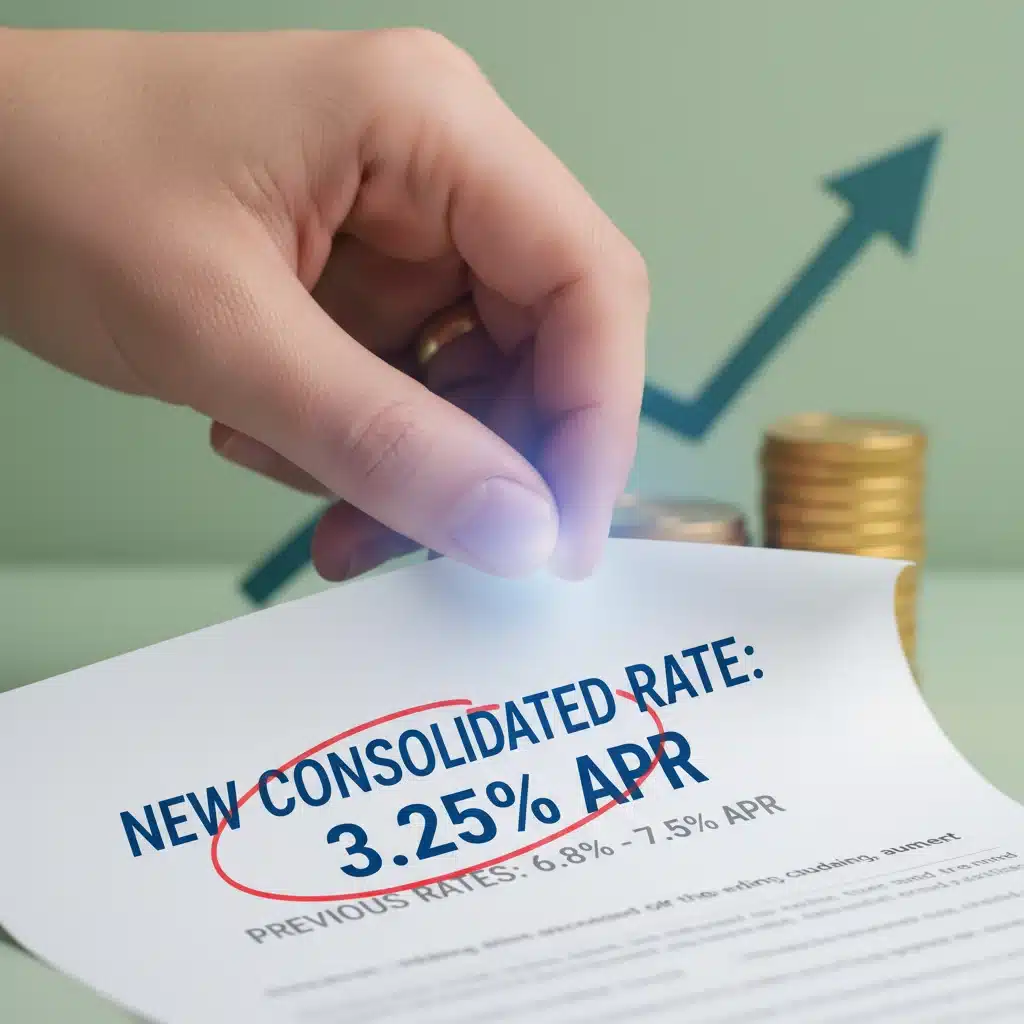
The primary driver for many borrowers considering consolidation is the prospect of a lower interest rate. If you’ve improved your credit score, increased your income, or if market interest rates have dropped since you initially borrowed, you could qualify for a significantly lower rate through private refinancing. Even a 1% to 2% reduction can translate to substantial savings over the life of your loan.
Consider this: on a $50,000 loan with a 10-year repayment term, reducing your interest rate from 6% to 4% could save you over $5,000 in interest payments. This is a powerful incentive to explore your options.
Simplified Payments
Juggling multiple student loan payments with different due dates and servicers can be a headache. Consolidation simplifies your financial life by consolidating everything into a single monthly payment to one lender. This reduces the risk of missed payments and helps you stay organized.
Predictable Monthly Payments
Many original student loans, especially private ones, can have variable interest rates. Consolidating into a new loan, particularly a private one, often allows you to secure a fixed interest rate. This provides predictability in your monthly payments, making budgeting easier and shielding you from potential future rate hikes.
Extended Repayment Terms
While not always recommended due to increased total interest paid, consolidation can offer the option to extend your repayment term. This lowers your monthly payment, providing financial relief in the short term. However, it’s a trade-off that needs careful evaluation against the long-term cost.
Step-by-Step Guide to Student Loan Consolidation in 2026
Navigating the student loan consolidation process can seem daunting, but breaking it down into manageable steps makes it more approachable. Follow this guide to maximize your chances of securing a lower interest rate.
Step 1: Assess Your Current Student Loans
Before you do anything, gather all the information about your existing student loans. This includes:
- Loan servicer(s)
- Original loan amount
- Current balance
- Interest rate (fixed or variable)
- Loan type (federal or private)
- Repayment term
- Monthly payment amount
You can find federal loan information on the National Student Loan Data System (NSLDS). For private loans, check your credit report or contact your loan servicers directly. This detailed overview is crucial for comparing offers and understanding your potential savings.
Step 2: Evaluate Your Financial Health
Your credit score, income, and debt-to-income (DTI) ratio are key factors private lenders consider when offering new interest rates. In 2026, a strong financial profile will be your best asset for securing that 1% to 2% interest rate reduction.
- Credit Score: Obtain your free credit report from AnnualCreditReport.com. A score of 700+ is generally considered good, while 750+ is excellent and will open doors to the best rates.
- Income: Lenders want to see stable employment and sufficient income to comfortably cover your new loan payments.
- Debt-to-Income Ratio: This ratio compares your total monthly debt payments to your gross monthly income. A lower DTI indicates less risk to lenders.
If your credit score isn’t where you’d like it to be, consider taking steps to improve it before applying for consolidation. Pay down other debts, make all payments on time, and avoid opening new credit lines.
Step 3: Decide Between Federal and Private Consolidation
This is a critical decision. If you have only federal loans and value federal protections (IDR, PSLF, deferment), a Direct Consolidation Loan might be your best bet, even if it doesn’t significantly lower your interest rate. If you have private loans, or a mix of federal and private, and your primary goal is a lower interest rate, private refinancing is likely the way to go. Be prepared to weigh the loss of federal benefits against potential interest savings.
Step 4: Shop Around and Compare Offers
Do not settle for the first offer you receive. In 2026, the competitive landscape of private lenders means there are many options. Apply to several lenders (banks, credit unions, online lenders) to compare their interest rates, repayment terms, and any fees. Most lenders offer a pre-qualification process that allows you to see potential rates without a hard credit inquiry, which won’t impact your credit score.
- Look for: The lowest interest rate (fixed vs. variable), flexible repayment terms, absence of origination fees, and excellent customer service.
- Read the fine print: Understand all terms and conditions, including prepayment penalties (rare but possible) and any lender-specific benefits.
Step 5: Review the Loan Offer and Apply
Once you’ve identified the best offer, carefully review the loan disclosure. Ensure the interest rate, monthly payment, and total cost of the loan align with your expectations and financial goals. Pay close attention to whether the interest rate is fixed or variable, and what the initial rate is. If everything looks good, proceed with the full application.
This will typically involve a hard credit inquiry, which may temporarily ding your credit score by a few points. You’ll need to provide documentation such as proof of income, identification, and details of the loans you wish to consolidate.
Step 6: Finalize the Loan and Begin Repayment
After your application is approved, the new lender will pay off your existing student loans. You will then begin making payments to your new lender under the new terms. Confirm with your previous servicers that your old loans have been paid in full and that your accounts are closed. Set up automatic payments for your new loan to avoid missing due dates and potentially qualify for an auto-pay interest rate discount (often 0.25%).
Strategies to Lower Your Interest Rate by 1% to 2%
Achieving a significant interest rate reduction requires more than just applying for consolidation. Here are specific strategies to aim for that 1% to 2% (or more) decrease.
Improve Your Credit Score
This is arguably the most impactful strategy for private refinancing. A higher credit score signals lower risk to lenders, making them more willing to offer you their best rates. In the months leading up to your consolidation application:
- Pay all bills on time: Payment history is the largest factor in your credit score.
- Reduce credit card debt: Lowering your credit utilization ratio (amount of credit used vs. available) can significantly boost your score.
- Avoid new credit: Don’t open new credit cards or take out other loans, as this can temporarily lower your score.
- Check for errors: Dispute any inaccuracies on your credit report.
Increase Your Income or Decrease Your Debt-to-Income Ratio
Lenders evaluate your ability to repay. A higher income or a lower DTI ratio makes you a more attractive borrower. If possible, consider ways to increase your income (e.g., a side hustle, negotiating a raise) or pay down other debts before consolidating.
Choose a Shorter Repayment Term (If Affordable)
While extending your repayment term lowers monthly payments, choosing a shorter term often results in a lower interest rate offer from lenders. This is because the lender faces less risk over a shorter period. If you can comfortably afford a higher monthly payment, a shorter term could save you substantial interest and get you a better rate.
Consider a Co-signer
If your credit score or income isn’t strong enough to secure the best rates, a co-signer with excellent credit and a stable income can significantly improve your chances. A co-signer shares responsibility for the loan, reducing the lender’s risk and potentially unlocking lower interest rates. However, ensure your co-signer understands their obligations.
Research Lender-Specific Discounts
Many private lenders offer discounts that can shave off a fraction of a percentage point from your interest rate. Common discounts include:
- Auto-pay discount: Typically 0.25%, for setting up automatic payments.
- Existing customer discount: If you already bank with a particular institution.
- Degree-based discounts: Some lenders offer better rates for certain degrees or professions.
These discounts, while small individually, can add up and help you reach that 1% to 2% reduction goal.
Potential Pitfalls and Considerations for 2026
While student loan consolidation offers many benefits, it’s not without its potential drawbacks. Being aware of these can help you make a more informed decision.
Loss of Federal Loan Benefits
This is the most significant consideration when refinancing federal loans with a private lender. You will lose access to:
- Income-Driven Repayment (IDR) plans, which adjust payments based on your income and family size.
- Public Service Loan Forgiveness (PSLF), which forgives remaining balances after 10 years of qualifying public service and payments.
- Generous deferment and forbearance options in times of financial hardship.
- Potential future federal relief programs.
If you anticipate needing these protections or are pursuing PSLF, think very carefully before privately refinancing federal loans.
Extended Repayment Term and Total Interest Paid
While extending your repayment term can lower your monthly payment, it almost always means you’ll pay more in total interest over the life of the loan. Evaluate if the short-term relief outweighs the long-term cost.
No Consolidation of Federal and Private Loans into a Federal Loan
You cannot consolidate private student loans into a Direct Consolidation Loan. Only federal loans can be combined through the federal program. If you have both types and want a single payment, private refinancing is your only option, but again, be mindful of losing federal benefits.
Impact on Credit Score
While improving your credit score is key to securing a lower rate, the application process itself involves a hard credit inquiry, which can temporarily lower your score. Additionally, closing old loan accounts and opening a new one changes your credit profile. These effects are usually minor and temporary but worth noting.

The Future of Student Loan Consolidation in 2026
The student loan landscape is dynamic, with potential policy changes and economic shifts always on the horizon. In 2026, we might see continued discussions around federal student loan policies, interest rate trends, and the availability of private lending options.
Interest Rate Environment
Macroeconomic factors, such as inflation and actions by the Federal Reserve, will influence market interest rates. If rates are trending downwards, 2026 could be an opportune time for private refinancing. Conversely, if rates are rising, securing a fixed-rate consolidated loan could protect you from future increases.
Government Policies and Programs
Federal student loan programs are subject to legislative changes. Staying informed about any new proposals or modifications to existing programs (like IDR or PSLF) is crucial, especially if you have federal loans. These changes could impact the attractiveness of federal consolidation versus private refinancing.
Technological Advancements in Lending
The private lending market is continually innovating. Expect more streamlined application processes, advanced credit assessment models, and personalized loan offers from online lenders in 2026. This increased competition can work in your favor by driving down rates.
Is Student Loan Consolidation Right for You in 2026?
The decision to consolidate your student loans is highly personal and depends on your specific financial situation and goals. There’s no one-size-fits-all answer.
When Consolidation is a Good Idea:
- You have multiple high-interest private loans.
- Your credit score and income have significantly improved since you took out your original loans.
- You want to simplify your payments and have a single due date.
- You understand and are comfortable with potentially losing federal loan benefits if you refinance federal loans privately.
- You can secure a significantly lower interest rate (e.g., 1% to 2% or more).
- You prefer a fixed interest rate for predictability.
When to Be Cautious About Consolidation:
- You primarily have federal loans and rely on or plan to use income-driven repayment plans or PSLF.
- Your credit score is poor, and you won’t qualify for a better interest rate.
- You are already struggling with payments, and an extended term (which increases total interest) is the only relief.
- You don’t have a clear understanding of the trade-offs between federal and private options.
Conclusion: Take Control of Your Student Loan Debt in 2026
Student loan debt can feel overwhelming, but tools like student loan consolidation offer a viable path to financial relief and improved management. As we navigate 2026, understanding your options, carefully evaluating your financial standing, and diligently shopping for the best rates are paramount.
By following the steps outlined in this guide and implementing the strategies to improve your financial profile, you stand a strong chance of lowering your interest rate by 1% to 2% or even more. This reduction can translate into thousands of dollars in savings and a more manageable financial future. Don’t let your student loans control you; take proactive steps to consolidate and regain control of your financial destiny in 2026. Consult with a financial advisor if you need personalized guidance to make the best decision for your unique circumstances.