2025 Teacher Certification: State-by-State Impact on Educators

New teacher certification requirements for 2025 are reshaping the educational landscape across the United States, presenting both opportunities and challenges for aspiring and experienced educators alike.
The educational landscape in the United States is constantly evolving, and 2025 marks a significant turning point with new regulations impacting teacher preparation and licensure. Understanding these new requirements for teacher certification in 2025 is crucial for both aspiring educators and seasoned professionals, as they directly influence career pathways and the overall development of the educator workforce.
understanding the shift in teacher certification standards
The move towards new teacher certification standards in 2025 reflects a broader national effort to enhance educational quality and address persistent challenges within the teaching profession. States are increasingly focusing on competency-based assessments, practical experience, and ongoing professional development to ensure teachers are well-prepared for today’s diverse classrooms.
This shift is not merely about adding more hoops to jump through; it’s about refining the criteria to produce highly effective educators who can meet the complex needs of students. The changes aim to create a more robust and responsive system for talent identification and retention within schools across the nation.
federal and state influences on new policies
While federal initiatives often provide a framework, the granular details of teacher certification are largely determined at the state level. This leads to a patchwork of regulations that can be challenging to navigate. The 2025 changes are a culmination of various influences, including research into effective teaching practices, calls for greater accountability, and efforts to diversify the teaching force.
- Research-Backed Practices: Many new requirements are informed by studies on what makes a teacher effective in improving student outcomes.
- Accountability Measures: States are implementing more rigorous evaluations of teacher preparation programs and individual educators.
- Diversity Initiatives: Efforts to recruit and retain a more diverse teaching workforce are influencing new pathways to certification.
The nuanced interplay between federal recommendations and state-specific legislative actions means that educators must stay informed about the particular requirements in their desired teaching locations. What is standard in one state might be an innovative new approach in another, highlighting the importance of state-by-state vigilance.
Ultimately, the goal is to standardize a certain level of excellence while allowing states the flexibility to address their unique educational contexts and needs. This balance is critical for fostering both quality and adaptability in the educator workforce, preparing for the challenges and opportunities that lie ahead.
state-by-state breakdown: key changes in 2025
The most significant aspect of the 2025 certification requirements is their variability across states. While some trends are universal, such as an increased emphasis on classroom technology and diversity training, the specifics of how these are implemented differ considerably. Aspiring and current teachers must carefully research their target state’s regulations.
For instance, some states are introducing new performance-based assessments, while others are adjusting minimum GPA requirements or mandating additional coursework in specific subject areas. This fragmented approach necessitates a detailed examination of each state’s particular mandates to avoid unforeseen obstacles in the certification process.
states with notable shifts in certification requirements
Several states have announced comprehensive overhauls of their certification systems for 2025. California, for example, is focusing on a more streamlined, competency-based pathway, aiming to reduce barriers for qualified candidates while maintaining high standards. Texas is emphasizing specialized endorsements for high-need areas, encouraging teachers to gain expertise in subjects like STEM or special education.
- California: Emphasis on streamlined, competency-based pathways and practical experience.
- Texas: Focus on specialized endorsements for high-demand subjects like STEM and special education.
- New York: Introduction of new culturally responsive teaching training and updated licensure exams.
- Florida: Revisions to professional development requirements and a stronger emphasis on mentorship for new teachers.
These changes are not arbitrary; they are often direct responses to localized teacher shortages, demographic shifts, or evolving pedagogical research. Understanding the rationale behind these state-specific adjustments can help educators anticipate future trends and tailor their professional development accordingly.
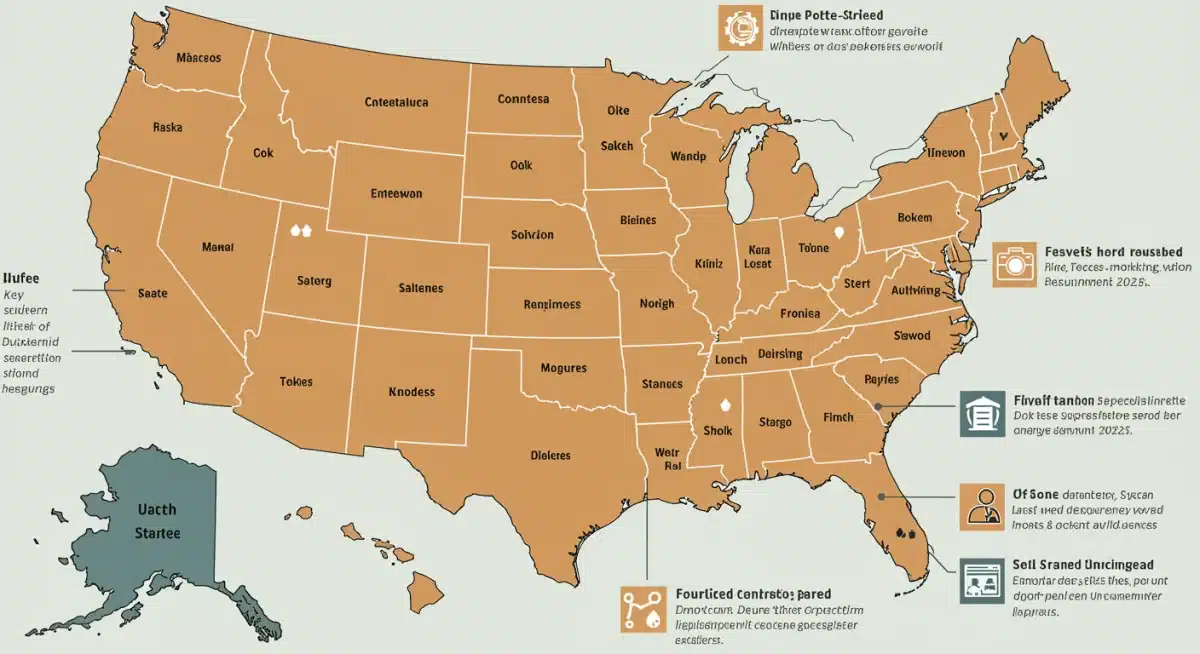

It is imperative for educators to regularly consult their respective state’s department of education websites for the most current and accurate information. The landscape is dynamic, and requirements can be updated, sometimes with little advance notice, making continuous monitoring essential for career planning and compliance.
impact on aspiring educators: navigating new pathways
For individuals aspiring to enter the teaching profession, the 2025 certification requirements present a new set of challenges and opportunities. These changes often mean that traditional routes to certification might be altered, requiring future teachers to adapt their educational and experiential planning.
Many states are introducing or expanding alternative certification programs, which can be a boon for career changers or those with relevant bachelor’s degrees but no formal education background. However, these pathways often come with their own unique set of prerequisites and rigorous practical components.
preparation for new licensure exams and coursework
One common change across states is the revision of licensure exams to better reflect current teaching standards and pedagogical approaches. Aspiring educators might need to prepare for new content areas, different testing formats, or integrated performance tasks that assess teaching skills directly.
- Updated Exam Content: Focus on modern teaching methodologies, technology integration, and diverse learning needs.
- Performance-Based Assessments: Some states are incorporating tasks that simulate real classroom scenarios.
- Additional Coursework: New mandates for courses in areas like special education, English language learners, or digital literacy.
Beyond examinations, some states are mandating specific coursework or field experiences that were not previously required. This might mean longer preparation times or a need to seek out particular internship opportunities. Early planning and consultation with university education departments are crucial to ensure alignment with these new mandates.
The emphasis on practical experience is also growing, with many states increasing the required hours for student teaching or internships. This ensures that new teachers enter the classroom with a stronger foundation in real-world application of their pedagogical knowledge, ultimately benefiting student learning outcomes.
implications for current teachers: professional development and recertification
Existing educators are not immune to the shifts in certification requirements. While their initial certification might remain valid, many states are updating their recertification processes, often requiring ongoing professional development that aligns with the new standards. This ensures that the entire educator workforce evolves with contemporary educational practices.
Professional development will increasingly focus on areas emphasized by the 2025 changes, such as digital literacy, culturally responsive teaching, and trauma-informed practices. Teachers will need to proactively seek out training that meets these evolving requirements to maintain their licensure.
adapting to evolving standards and retaining licensure
The challenge for current teachers lies in balancing their demanding roles with the need to continuously update their skills and knowledge. States are trying to make this process as supportive as possible, often providing resources and approved professional development opportunities.
- Mandated PD Hours: Increased requirements for professional development hours in specific areas.
- New Content Areas: Training in culturally responsive pedagogy, digital tools, and social-emotional learning.
- Mentorship Opportunities: Experienced teachers may be encouraged or required to mentor new educators, fulfilling PD requirements.
Some states are also introducing or strengthening mentor programs, where experienced teachers guide new educators. This not only supports new teachers but also provides a valuable professional development opportunity for mentors, allowing them to refine their leadership and instructional coaching skills.
Staying abreast of these changes is paramount for career longevity. Teachers should regularly check their state’s education department website, engage with professional organizations, and utilize school district resources to ensure they are on track for recertification under the new guidelines. Proactive engagement can prevent last-minute rushes and ensure continuous compliance.
addressing teacher shortages: policy responses and effectiveness
One of the primary drivers behind many of the 2025 certification changes is the ongoing challenge of teacher shortages, particularly in high-need subjects and underserved communities. States are hoping that by adjusting requirements, they can both attract more individuals to the profession and retain existing talent more effectively.
Policy responses include creating more flexible pathways to certification, offering incentives for teachers in shortage areas, and investing in comprehensive support systems for new educators. The effectiveness of these measures will be closely watched over the next few years.
strategies for recruitment and retention
States are employing diverse strategies to bolster their educator workforce. These range from financial incentives to innovative recruitment campaigns targeting diverse populations. The goal is not just to fill vacancies but to build a stable and high-quality teaching force.
- Scholarships and Loan Forgiveness: Programs designed to reduce the financial burden of teacher preparation.
- Expedited Certification: Streamlined processes for career changers and those with relevant expertise.
- Improved Working Conditions: Efforts to enhance teacher salaries, benefits, and overall school climate to encourage retention.
Many states are also focusing on “grow your own” programs, which identify promising high school students or paraprofessionals within a community and support their journey to becoming certified teachers. These programs often lead to higher retention rates as individuals are already invested in their local schools.
Furthermore, a focus on mentorship and ongoing professional support for early-career teachers is critical. Reducing burnout and providing the necessary resources can significantly impact whether a new teacher stays in the profession long-term. The success of these policies will ultimately be measured by the stability and quality of the educator workforce.
future outlook: long-term implications for education
The 2025 teacher certification requirements are not isolated policy decisions; they represent a significant step in the ongoing evolution of the American education system. The long-term implications will shape not only the teaching profession but also the quality of education provided to future generations of students.
These changes are expected to foster a more adaptable and highly skilled teaching force, capable of responding to the dynamic needs of students and society. However, they also present challenges related to equitable access to certification pathways and the potential for increased administrative burdens.
ensuring equity and adaptability in the workforce
One critical long-term consideration is ensuring that the new requirements do not inadvertently create barriers for aspiring teachers from diverse backgrounds or those in economically disadvantaged areas. Policies must be carefully designed to promote equity while maintaining high standards.
- Equitable Access: Ensuring all aspiring teachers, regardless of background, have access to necessary preparation and resources.
- Flexible Pathways: Continued development of alternative routes to certification that are rigorous yet accessible.
- Continuous Evaluation: Regularly assessing the impact of new policies on teacher diversity and retention.
The adaptability of the educator workforce will be crucial in a world that is constantly changing. Teachers certified under the new 2025 standards are expected to be lifelong learners, capable of integrating new technologies, responding to diverse student needs, and adapting their instructional strategies.
Ultimately, the success of these new requirements will depend on continuous evaluation and a willingness to adjust policies based on real-world outcomes. The goal remains to cultivate a teaching profession that is both excellent and inclusive, capable of nurturing the potential of every student across the nation.
| Key Aspect | Brief Description |
|---|---|
| State-Specific Variations | Certification changes vary significantly by state, requiring detailed individual research. |
| Aspiring Educators | New pathways, updated exams, and increased practical experience requirements are common. |
| Current Teachers | Recertification often involves new professional development mandates and updated training. |
| Workforce Development | Policies aim to address teacher shortages through recruitment, retention, and support programs. |
frequently asked questions about 2025 teacher certification
The biggest changes include increased emphasis on practical experience, updated licensure exams, and new professional development mandates. States are also focusing on competency-based assessments and culturally responsive teaching practices to enhance educator effectiveness and address diverse student needs.
To find your state’s specific requirements, you should consult your state’s Department of Education website. These sites provide the most accurate and up-to-date information regarding certification processes, deadlines, and any new coursework or examination mandates for 2025.
While existing certifications generally remain valid, current teachers may need to meet new professional development requirements for recertification. These often align with the new standards, focusing on updated pedagogical practices, technology integration, and specialized training to maintain licensure.
Yes, many states are expanding or introducing alternative certification programs to attract a more diverse pool of candidates, including career changers. These pathways often involve intensive training, mentorship, and practical experience designed to prepare individuals for the classroom effectively.
The new requirements aim to address teacher shortages by streamlining some processes, offering incentives for high-need areas, and improving retention through better support systems. The effectiveness will depend on how well states balance rigor with accessibility to attract and keep qualified educators in the profession.
conclusion
The evolving landscape of teacher certification in 2025 signals a concerted effort across the United States to elevate the teaching profession and enhance educational outcomes. While the state-by-state variations present a complex picture, the overarching goal is to cultivate a highly skilled, adaptable, and diverse educator workforce. Both aspiring and current teachers must remain diligent in understanding and meeting these new standards, ensuring they are well-prepared to navigate the future of education and continue making a profound impact in classrooms nationwide.