Cut Monthly Expenses by $200: Uncover Hidden Savings in Your 2026 Budget

In an ever-evolving economic landscape, the ability to effectively cut monthly expenses is more crucial than ever. Whether you’re aiming to build an emergency fund, pay off debt, save for a down payment, or simply gain more financial freedom, finding an extra $200 or more in your budget can make a substantial difference. Many people believe they’ve already trimmed all they can, but with a fresh perspective and a strategic approach, it’s often surprising how many overlooked savings opportunities still exist. This comprehensive guide is designed to help you meticulously review your 2026 household budget, identify those hidden areas, and implement practical strategies to significantly reduce your outgoings.
The journey to effectively cut monthly expenses isn’t about deprivation; it’s about smart choices, mindful spending, and optimizing your resources. We’ll delve into various categories, from fixed costs like housing and transportation to variable expenses such as groceries and entertainment. By the end of this article, you’ll have a clear roadmap and actionable steps to achieve your goal of cutting at least $200 from your monthly spending, empowering you to take greater control of your financial future.
Understanding Your Current Spending: The Foundation to Cut Monthly Expenses
Before you can effectively cut monthly expenses, you need to know exactly where your money is going. This might seem obvious, but many individuals and households operate without a clear understanding of their spending patterns. The first step involves a thorough audit of your financial transactions over the last few months. This isn’t just about glancing at your bank statement; it requires a detailed analysis.
Track Every Penny: The Power of Data
Begin by gathering all your financial records: bank statements, credit card statements, utility bills, and any receipts you’ve kept. You can use a spreadsheet, a budgeting app, or even a simple notebook. Categorize every single expense. Common categories include:
- Housing (rent/mortgage, utilities, insurance)
- Transportation (car payments, gas, public transport, maintenance)
- Food (groceries, dining out, coffee runs)
- Utilities (electricity, water, gas, internet, mobile phone)
- Subscriptions (streaming services, gym memberships, software)
- Personal Care (haircuts, cosmetics, gym)
- Entertainment (movies, concerts, hobbies)
- Debt Payments (credit cards, personal loans, student loans)
- Miscellaneous (unexpected purchases, gifts)
The goal here is not to judge your past spending, but to create a factual snapshot. This data will be invaluable as you look for opportunities to cut monthly expenses. Many people find that small, seemingly insignificant expenses, when added up, contribute significantly to their overall spending. For example, that daily coffee or frequent takeout meals can quickly accumulate to hundreds of dollars a month.
Identify Fixed vs. Variable Expenses
Once you have your expenses categorized, distinguish between fixed and variable costs. Fixed expenses are those that generally stay the same each month (e.g., rent, loan payments, insurance premiums). Variable expenses fluctuate (e.g., groceries, entertainment, utilities if not on a fixed plan). While fixed expenses might seem harder to change, there are often ways to reduce them, which we’ll explore. Variable expenses, however, usually offer the quickest and most direct paths to immediately cut monthly expenses.
Review and Reflect
After compiling your spending data, take time to review it critically. Ask yourself:
- Are there any expenses I no longer use or need? (e.g., unused subscriptions)
- Are there areas where I’m consistently overspending my budget?
- What are my biggest spending categories? Can any of these be reduced?
- Are there any ‘leakage’ points – small, frequent purchases that add up?
This self-reflection is a crucial step in preparing your mindset to effectively cut monthly expenses without feeling overwhelmed or deprived. It’s about making conscious decisions rather than reactive cuts.
Targeting Major Categories to Cut Monthly Expenses
With a clear picture of your spending, it’s time to dive into specific areas where you can significantly cut monthly expenses. We’ll start with the largest categories, as these often yield the biggest savings.
Housing Costs: Beyond the Rent/Mortgage
While your rent or mortgage payment is likely your largest fixed expense, there are still ways to save within this category, especially if you’re not planning a move soon.
- Refinance Your Mortgage: If interest rates have dropped since you secured your mortgage, refinancing could lead to lower monthly payments. Even a small reduction can save hundreds over the loan’s lifetime. Consult with a mortgage broker to see if this is a viable option for you.
- Challenge Property Taxes: If you own your home, research how to appeal your property tax assessment. Many homeowners pay more than they should because they don’t challenge inflated valuations.
- Reduce Utility Bills: This is a goldmine for many.
- Energy Efficiency: Invest in smart thermostats, seal drafts around windows and doors, use energy-efficient light bulbs, and unplug electronics when not in use (phantom load).
- Water Conservation: Fix leaky faucets, take shorter showers, and run full loads in your dishwasher and washing machine.
- Negotiate Internet/Cable: Call your providers annually to negotiate lower rates or switch to a cheaper plan. Bundle services if it makes sense, but be wary of introductory offers that skyrocket later.
- Consider a Roommate (if applicable): If you have spare space, taking on a roommate can significantly offset your housing costs, easily helping you to cut monthly expenses by hundreds.
Transportation: Driving Down Costs
For many, transportation is the second-largest expense. Here’s how to make a dent:
- Re-evaluate Car Ownership: Do you truly need two cars? Can you rely on public transport, cycling, or carpooling for some trips? Selling an underused vehicle eliminates car payments, insurance, fuel, and maintenance costs.
- Optimize Car Insurance: Shop around for insurance quotes annually. Even if you’re happy with your current provider, a quick comparison can reveal significant savings. Ask about discounts for good driving, low mileage, bundling policies, or increasing your deductible.
- Fuel Efficiency: Drive smarter – avoid rapid acceleration and braking, keep tires properly inflated, and perform regular vehicle maintenance. Plan errands to minimize driving.
- Public Transport/Carpooling: Explore alternatives to driving solo. A monthly transit pass can be cheaper than daily fuel and parking, and carpooling splits costs.
Food: The Flexible Frontier
Food expenses are often one of the easiest areas to cut monthly expenses, as they are largely variable and controllable.
- Meal Planning and Grocery Lists: Plan your meals for the week, create a detailed grocery list, and stick to it. This prevents impulse buys and reduces food waste.
- Cook at Home More: Dining out and ordering takeout are significant budgetbusters. Cooking at home is almost always cheaper and often healthier.
- Embrace Batch Cooking: Cook larger quantities of staples like grains, proteins, or sauces on weekends, then portion them out for quick meals during the week.
- Shop Smart: Look for sales, use coupons, buy generic brands, and purchase in bulk for non-perishables if you have storage. Avoid shopping when hungry!
- Reduce Food Waste: Learn how to properly store food, repurpose leftovers, and understand expiration dates. Food waste is money wasted.
- Cut Back on Coffee/Drinks Out: That daily latte adds up. Brewing coffee at home or bringing a reusable water bottle can save you $50-$100+ per month alone.
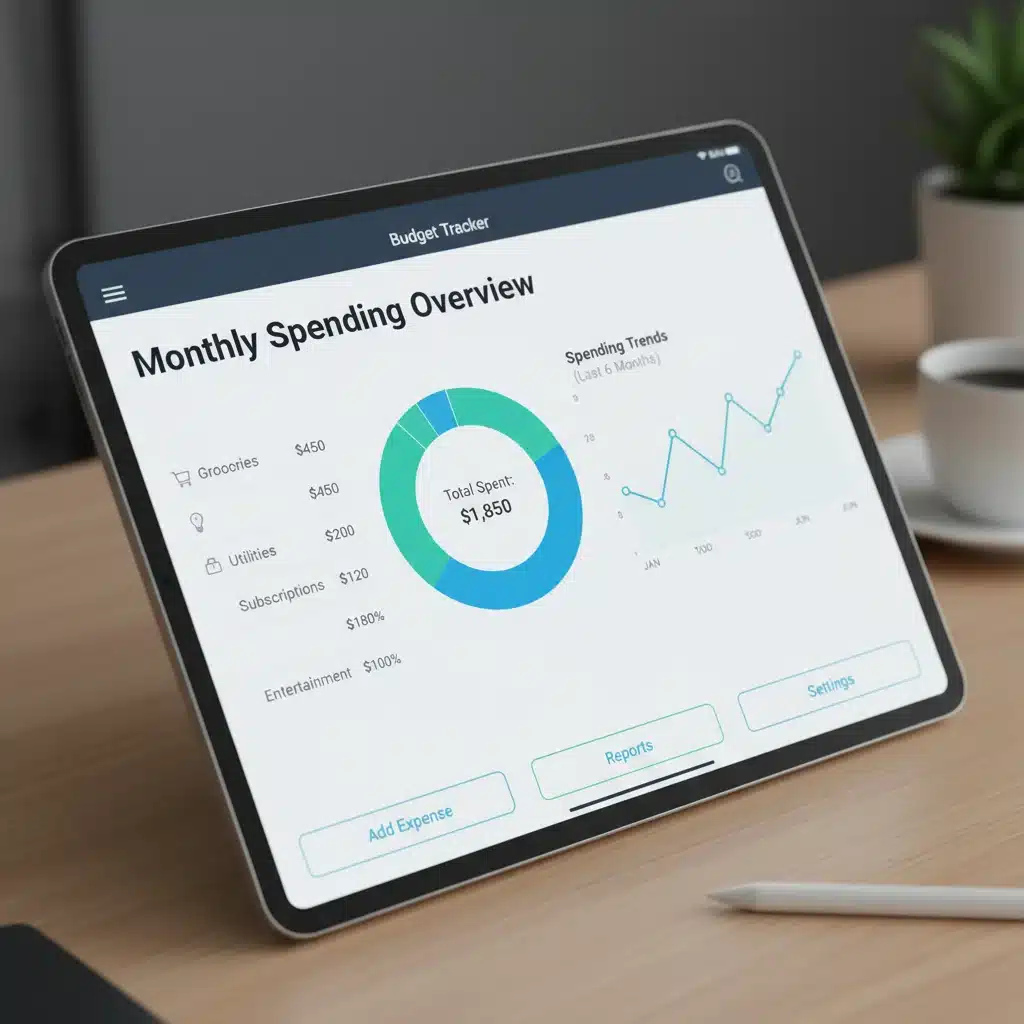
Uncovering Overlooked Savings Opportunities to Cut Monthly Expenses
Beyond the major categories, there are numerous smaller, often overlooked areas where you can significantly cut monthly expenses. These might seem minor individually, but their cumulative effect can easily reach or exceed your $200 target.
The Subscription Audit: A Modern-Day Money Drain
In the age of digital services, subscriptions have become a silent budget killer. Most people are subscribed to services they rarely use or have forgotten about.
- List All Subscriptions: Go through your bank and credit card statements and list every single recurring charge. This includes streaming services (Netflix, Hulu, Spotify), gym memberships, software subscriptions, app subscriptions, magazine subscriptions, meal kit services, and even cloud storage.
- Evaluate Each One: For each subscription, ask yourself: Do I use this regularly? Is it worth the cost? Can I get similar value for free or cheaper elsewhere?
- Cancel Unused Services: Be ruthless. If you haven’t used a service in months, cancel it. You can always resubscribe later if you genuinely miss it.
- Downgrade or Share: Can you downgrade to a cheaper tier? Can you share a family plan with others to split costs (where permitted)?
- Free Alternatives: Explore free versions of software or streaming services (e.g., ad-supported versions). Your local library often offers free access to movies, music, and digital magazines.
Many individuals find they can easily cut monthly expenses by $50-$100 just by optimizing their subscriptions.
Insurance Policies: Are You Overpaying?
Insurance is a necessity, but it’s also an area where many people overpay. Don’t just set it and forget it.
- Shop Around Annually: As with car insurance, compare quotes for home, renter’s, and even health insurance every year or two. Loyalty doesn’t always pay.
- Bundle Policies: Often, you can get a discount by bundling multiple insurance policies (e.g., auto and home) with the same provider.
- Increase Deductibles: A higher deductible typically means lower monthly premiums. Just ensure you have enough in savings to cover the deductible if you need to make a claim.
- Review Coverage: Ensure you’re not over-insured for certain items or situations. For older cars, full comprehensive coverage might no longer be cost-effective.
Banking Fees and Credit Card Interest
These are often ‘invisible’ expenses that silently erode your budget.
- Eliminate Bank Fees: Review your bank statements for monthly service fees, ATM fees, or overdraft fees. Switch to a bank with no monthly fees, use in-network ATMs, or ensure your account meets minimum balance requirements to waive fees.
- Reduce Credit Card Interest: If you carry a balance, high-interest credit cards can be a huge drain. Prioritize paying off high-interest debt. Consider a balance transfer to a 0% APR card (if you can pay it off before the promotional period ends) or negotiate with your current card issuer for a lower rate.
- Avoid Late Fees: Set up automatic payments for all your bills to avoid late fees on loans, credit cards, and utilities.
Entertainment and Leisure: Smart Fun
You don’t have to eliminate fun to cut monthly expenses, but you can be smarter about it.
- Free Entertainment: Explore free local events, parks, hiking trails, libraries, and free museum days.
- DIY Entertainment: Host potlucks instead of dining out, have game nights, or pursue hobbies that have low ongoing costs.
- Limit Paid Events: Set a strict budget for concerts, movies, and other paid events. Look for matinee prices or discount tickets.
- Borrow, Don’t Buy: Need a book, movie, or tool? Check your local library or borrow from friends before purchasing.
Strategic Approaches to Sustained Savings and How to Cut Monthly Expenses Permanently
Achieving your initial goal of cutting $200 from your monthly expenses is a great start, but the real victory lies in sustaining these changes. Here’s how to embed these habits into your financial routine.
Automate Your Savings
Once you’ve identified areas to cut monthly expenses, redirect those freed-up funds directly into savings, investments, or debt repayment. Set up automatic transfers from your checking account to a savings account or investment vehicle the day after your paycheck hits. This ‘pay yourself first’ strategy ensures your savings grow consistently without you having to actively think about it each month.
The Envelope System or Digital Budgeting Tools
For variable expenses like groceries, entertainment, or personal care, consider using the envelope system (physical or digital). Allocate a specific amount of cash or budget within an app for each category at the beginning of the month. Once the money is gone, it’s gone. This tactile or visual limit helps prevent overspending and reinforces your commitment to cut monthly expenses.
Regular Budget Reviews
Your budget isn’t a static document; it’s a living tool. Review it monthly to ensure it still aligns with your financial goals and current spending. Life changes, and your budget should adapt. This regular check-in allows you to catch new spending leaks before they become significant and to celebrate your progress in cutting monthly expenses.
Mindful Spending Habits
Cultivate a habit of mindful spending. Before making a purchase, especially a non-essential one, pause and ask yourself:
- Do I truly need this, or do I just want it?
- Can I find a cheaper alternative?
- Does this align with my financial goals?
- Have I budgeted for this?
This momentary pause can prevent impulse purchases and reinforce your intention to cut monthly expenses.

Negotiate Everything
From your internet bill to your gym membership, many services are negotiable. Companies would often rather retain you as a customer by offering a discount than lose you entirely. Make it a habit to call and negotiate periodically. Mention competitor offers or ask about loyalty discounts. This proactive approach can lead to surprising savings and help you consistently cut monthly expenses.
Embrace Frugal Living Principles
Frugal living isn’t about being cheap; it’s about being resourceful and intentional with your money. This might involve:
- Second-hand Shopping: For clothes, furniture, or even electronics, buying used can save you a fortune.
- DIY Projects: Learn basic home repairs or maintenance to avoid hiring professionals for simple tasks.
- Packed Lunches: Consistently bringing your lunch to work or school instead of buying it can save significant amounts.
- Limit Impulse Buys: Implement a ’24-hour rule’ for non-essential purchases: if you still want it after 24 hours, then consider buying it.
Potential Challenges and How to Overcome Them When You Cut Monthly Expenses
While the goal to cut monthly expenses is clear, the path isn’t always smooth. You might encounter challenges, but with foresight and strategies, you can overcome them.
Resistance from Family Members
If you live with a partner or family, getting everyone on board is crucial. Open communication is key. Explain your financial goals and how reducing expenses benefits everyone. Make it a team effort and find areas where everyone can contribute without feeling overly restricted.
Feeling Deprived or Restricted
Cutting expenses can sometimes feel like you’re missing out. Frame it positively: you’re not depriving yourself; you’re making intentional choices to achieve greater financial freedom. Focus on the ‘why’ behind your savings goals. Allow for small, budgeted treats to avoid burnout.
Unexpected Expenses
Life happens, and unexpected costs can derail a budget. This is where an emergency fund becomes invaluable. Even as you work to cut monthly expenses, prioritize building a small emergency buffer to handle unforeseen events without going into debt.
Losing Motivation
It’s easy to lose steam, especially when results aren’t immediately apparent. Track your progress. Seeing your savings grow or your debt shrink can be incredibly motivating. Celebrate small victories along the way. Remind yourself of your long-term financial goals.
The Long-Term Impact of Cutting Monthly Expenses
Successfully cutting $200 (or more) from your monthly budget isn’t just about the immediate financial relief; it has profound long-term implications. Over a year, that’s $2,400. Over five years, it’s $12,000. Imagine what you could do with that money:
- Accelerate Debt Repayment: Pay off high-interest credit cards or loans much faster, saving thousands in interest.
- Boost Retirement Savings: Even small, consistent contributions can lead to significant growth over decades due to compounding.
- Build an Emergency Fund: Create a financial safety net that provides peace of mind and reduces stress during unexpected events.
- Invest in Yourself: Fund education, skill development, or a new business venture.
- Achieve Major Financial Goals: Save for a down payment on a home, a child’s education, or a dream vacation.
By learning to effectively cut monthly expenses, you’re not just saving money; you’re building a foundation for financial security, freedom, and the ability to achieve your most ambitious goals. It’s a skill that will serve you well throughout your life.
Conclusion: Your Path to Financial Empowerment in 2026
The quest to cut monthly expenses by $200 in 2026 is an achievable and highly rewarding endeavor. It requires diligence, self-awareness, and a willingness to make intentional choices, but the financial benefits are undeniable. By thoroughly tracking your spending, targeting major expense categories like housing, transportation, and food, and meticulously auditing overlooked areas such as subscriptions and banking fees, you will uncover numerous opportunities for savings.
Remember, this isn’t about drastic, unsustainable cuts. It’s about optimizing your spending, reducing waste, and aligning your financial habits with your long-term goals. Implement strategic approaches like automating savings, regular budget reviews, and mindful spending to ensure these positive changes become permanent fixtures in your financial life. Embrace the journey of financial empowerment, and watch as those extra hundreds of dollars each month transform your financial landscape, providing peace of mind and opening doors to future possibilities. Start today, and take control of your financial destiny in 2026 and beyond.