Avoid Student Loan Default 2026: Protect Your Credit & Future

Avoiding Student Loan Default in 2026: Critical Strategies to Protect Your Credit Score and Repayment Options
The landscape of student loan repayment is constantly evolving, and as we approach 2026, understanding how to effectively manage your student debt is more crucial than ever. For millions of Americans, student loans represent a significant financial commitment, and the specter of default can be a daunting one. Defaulting on your student loans can have severe, long-lasting repercussions on your financial health, impacting your credit score, future borrowing capabilities, and even your professional life. This comprehensive guide aims to equip you with the knowledge and strategies necessary to proactively avoid student default in 2026, ensuring you protect your credit score and leverage all available repayment options.
Navigating student loan repayment can feel like a complex maze, but with the right information and a proactive approach, you can successfully manage your obligations and safeguard your financial future. Whether you’re just starting repayment, struggling to keep up, or simply want to be prepared, this article will delve into the intricacies of student loan default, its consequences, and the most effective preventive measures and solutions.
Understanding Student Loan Default: What It Means for You
Before we dive into prevention, it’s essential to understand exactly what student loan default entails. Defaulting on a student loan means failing to make payments as scheduled according to the terms of your promissory note. The specific timeline for default varies depending on the type of loan:
- Federal Student Loans: Most federal student loans enter default after 270 days (approximately nine months) of missed payments. This includes Direct Subsidized Loans, Direct Unsubsidized Loans, PLUS Loans, and Federal Family Education Loan (FFEL) Program loans.
- Private Student Loans: Private student loans typically have much shorter default timelines, often just 90 to 120 days of missed payments, as stipulated in your loan agreement.
Once your loan enters default, it’s no longer just a matter of missed payments; it becomes a serious legal and financial issue with far-reaching consequences. The loan holder, whether it’s the federal government or a private lender, will initiate collection activities, and your options for managing the debt will significantly diminish. Understanding this threshold is the first step in actively working to avoid student default.
The Harsh Realities of Student Loan Default
The consequences of defaulting on your student loans are severe and can impact nearly every aspect of your financial life. It’s not just about a negative mark on your credit report; the implications are much broader:
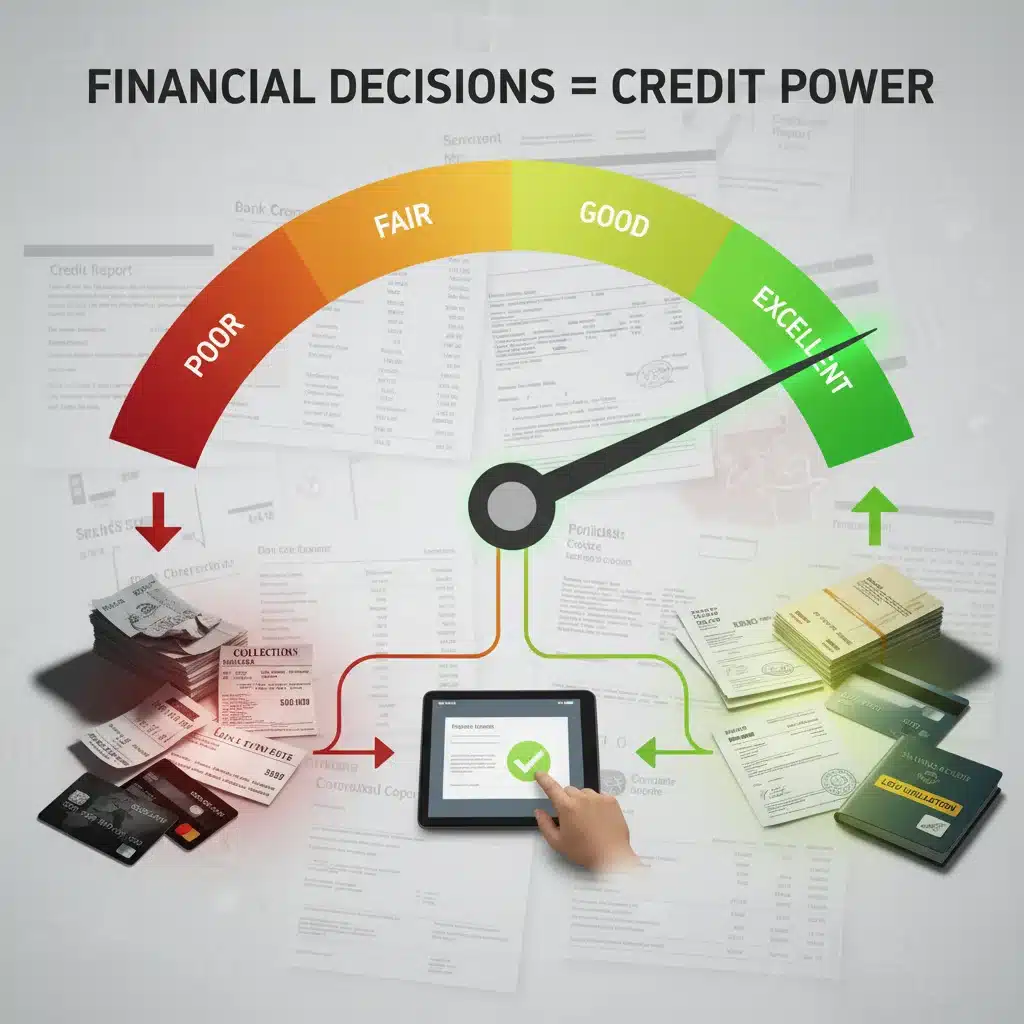
- Devastating Credit Score Impact: Defaulting will severely damage your credit score, making it difficult to obtain future credit, such as mortgages, car loans, or even credit cards. A poor credit score can also affect your ability to rent an apartment, get certain jobs, or even secure utility services without a deposit. This is perhaps one of the most immediate and impactful consequences, making proactive measures to avoid student default crucial.
- Wage Garnishment: For federal student loans, the government can garnish your wages without a court order. This means a portion of your paycheck will be withheld and sent directly to the loan holder until the debt is satisfied.
- Tax Refund Interception: Your federal and state tax refunds can be intercepted and applied towards your defaulted student loan debt.
- Loss of Eligibility for Federal Student Aid: If you default on a federal student loan, you become ineligible for further federal student aid, including grants, work-study, and future federal loans. This can severely limit your educational and career advancement opportunities.
- Social Security Benefit Offset: In some cases, a portion of your Social Security benefits can be withheld to repay defaulted federal student loans.
- Collection Fees: Once your loan goes into default, significant collection fees can be added to the outstanding balance, increasing the total amount you owe. These fees can be substantial, sometimes as high as 25% of the principal and interest.
- Loss of Deferment and Forbearance Options: Once a loan is in default, you lose access to flexible repayment options like deferment and forbearance, which are designed to help borrowers during periods of financial hardship.
- Legal Action: Lenders, particularly private lenders, can take legal action against you to collect the debt, which can result in court judgments and further financial penalties.
- Professional License Suspension: In some states, defaulting on student loans can lead to the suspension of professional licenses, severely impacting your ability to work in your chosen field.
Given these serious consequences, the importance of taking proactive steps to avoid student default cannot be overstated. It’s far easier and less costly to prevent default than to recover from it.
Proactive Strategies to Avoid Student Loan Default in 2026
The best way to deal with student loan default is to prevent it from happening in the first place. Fortunately, there are many proactive strategies and resources available to help you manage your student loans effectively, even when facing financial challenges. Here are critical strategies to implement in 2026:
1. Understand Your Loans and Servicer
The first step in effective student loan management is to fully understand your loans. Know whether they are federal or private, the interest rates, the repayment terms, and who your loan servicer is. Your loan servicer is the company that handles your billing and other services. They are your primary point of contact for any questions or issues.
- Federal Loans: You can find information about your federal student loans by logging into your account on the Federal Student Aid website. This portal provides details on all your federal loans, including loan type, original amount, current balance, and servicer.
- Private Loans: For private loans, you’ll need to check your credit report or contact the financial institution you borrowed from.
Knowing your servicer is crucial because they are the ones who can help you explore repayment options. Don’t wait until you’re struggling; establish communication early and often. This knowledge empowers you to confidently avoid student default.
2. Explore Income-Driven Repayment (IDR) Plans for Federal Loans
If you have federal student loans and are struggling to make your monthly payments, Income-Driven Repayment (IDR) plans are your most powerful tool to avoid student default. IDR plans adjust your monthly payment amount based on your income and family size, making your payments more affordable. There are several IDR plans, including:
- Revised Pay As You Earn (REPAYE) Plan: Generally, 10% of your discretionary income.
- Pay As You Earn (PAYE) Plan: Generally, 10% of your discretionary income, but never more than the 10-year Standard Repayment Plan amount.
- Income-Based Repayment (IBR) Plan: Generally, 10% or 15% of your discretionary income, depending on when you received your first loans.
- Income-Contingent Repayment (ICR) Plan: The lesser of 20% of your discretionary income or what you would pay on a repayment plan with a fixed payment over 12 years, adjusted according to your income.
- SAVE Plan (formerly REPAYE, with improvements): The newest IDR plan, the Saving on a Valuable Education (SAVE) Plan, is designed to be the most affordable IDR plan ever. It calculates payments based on a larger income exclusion, meaning more of your income is protected. For undergraduate loans, payments will eventually be reduced to 5% of discretionary income (down from 10%). It also eliminates 100% of remaining interest after a scheduled payment is made, preventing your balance from growing due to unpaid interest.
Under these plans, your remaining loan balance may be forgiven after 20 or 25 years of qualifying payments (or even 10 years for Public Service Loan Forgiveness). It’s crucial to re-certify your income and family size annually to ensure your payments remain accurate and affordable. Contact your loan servicer immediately to discuss which IDR plan is best for your situation. This is a primary strategy to avoid student default.
3. Consider Deferment or Forbearance
If you’re facing a temporary financial hardship, deferment or forbearance can provide a short-term reprieve from making payments. These options allow you to temporarily postpone or reduce your loan payments. However, it’s important to understand the differences:
- Deferment: During deferment, interest does not accrue on subsidized federal loans. You might qualify for deferment if you are unemployed, enrolled in school at least half-time, experiencing economic hardship, or serving in the military, among other reasons.
- Forbearance: During forbearance, interest accrues on all types of loans, including subsidized federal loans. This means your loan balance will increase. Forbearance is typically granted for shorter periods (e.g., 12 months at a time) for reasons such as financial difficulty, illness, or other acceptable circumstances.
Both deferment and forbearance can be valuable tools to prevent default during difficult times. However, they are temporary solutions and should not be used as long-term strategies. Always exhaust IDR options first, especially with federal loans, as they offer a path to potential forgiveness and more manageable long-term payments. If you anticipate a short-term struggle, these options can help you avoid student default.
4. Refinance Private Student Loans
For private student loans, refinancing can be an effective strategy to lower your interest rate, reduce your monthly payments, or both. Refinancing involves taking out a new loan with a new lender to pay off your existing private student loans. This can be particularly beneficial if your credit score has improved since you first took out your loans or if interest rates have decreased.
However, be cautious about refinancing federal student loans into a private loan. Doing so means you’ll lose access to valuable federal benefits like IDR plans, deferment, forbearance, and loan forgiveness programs. Only consider refinancing federal loans if you are absolutely certain you will not need these protections. For private loans, refinancing can be a powerful tool to make payments more manageable and help you avoid student default.
5. Consolidate Federal Student Loans
Federal loan consolidation allows you to combine multiple federal student loans into a single Direct Consolidation Loan. This can simplify your repayment by giving you just one monthly payment and one loan servicer. While it might extend your repayment period and potentially increase the total interest paid over the life of the loan, it can also lower your monthly payment and give you access to additional IDR plans or Public Service Loan Forgiveness (PSLF) that you might not have been eligible for before. Consolidation is another pathway to make your federal loan payments more manageable and avoid student default.
6. Public Service Loan Forgiveness (PSLF)
If you work for a government agency (federal, state, local, or tribal) or a qualifying non-profit organization, you might be eligible for Public Service Loan Forgiveness (PSLF). Under PSLF, your remaining balance on Direct Loans is forgiven after you’ve made 120 qualifying monthly payments while working full-time for a qualifying employer. It’s crucial to meet all PSLF requirements, including being on an IDR plan, to benefit from this program. PSLF is a significant benefit that can help many borrowers avoid student default long-term.
7. Budgeting and Financial Planning
At the core of avoiding student loan default is sound financial planning. Create a detailed budget that tracks your income and expenses. Identify areas where you can cut back to free up more money for your loan payments. Regularly review your budget and adjust as needed. Consider setting up automatic payments to ensure you never miss a due date. Many servicers offer a small interest rate reduction for enrolling in auto-pay, which can save you money and help you avoid student default.
8. Emergency Fund
Building an emergency fund is a critical component of financial stability. Aim to save at least three to six months’ worth of living expenses. This fund can provide a buffer during unexpected financial setbacks, such as job loss or medical emergencies, preventing you from missing loan payments and falling into default. An emergency fund is your safety net to help you avoid student default.
What to Do if You’re Already Behind on Payments
If you’ve already missed a payment or two, don’t panic, but act quickly. The sooner you address the issue, the more options you’ll have. The goal is to prevent your loan from reaching the default threshold.
- Contact Your Loan Servicer Immediately: This is the most crucial step. Explain your situation and ask about your options. They are there to help you, and ignoring the problem will only make it worse. Your servicer can guide you through available programs like IDR plans, deferment, or forbearance.
- Make Partial Payments (if accepted): Some servicers might accept partial payments to keep you out of default while you work on a long-term solution. Always confirm with your servicer if this is an option and how it impacts your loan status.
- Understand the Grace Period: Most student loans have a grace period after you leave school before repayment begins. Ensure you know when your grace period ends and when your first payment is due.
Recovering from Student Loan Default
Even if you’ve already defaulted, all hope is not lost. There are pathways to get your federal student loans out of default, though it requires effort and commitment. Recovering from default is essential to restore your financial health and regain access to federal student aid benefits.
1. Loan Rehabilitation
Loan rehabilitation is a one-time opportunity to remove your federal student loan from default. It typically involves making nine voluntary, reasonable, and affordable monthly payments within 10 consecutive months. The payment amount is determined by your income and expenses. Once you successfully complete the rehabilitation program:
- The default will be removed from your credit report (though the late payments that led to default will remain).
- Your loan will be transferred out of default status.
- You’ll regain eligibility for federal student aid.
- You’ll regain access to repayment options like IDR plans, deferment, and forbearance.
Rehabilitation is a powerful tool for those who have defaulted, offering a clear path to recovery and helping you truly avoid student default in the future by resetting your repayment status.
2. Loan Consolidation (for Defaulted Loans)
You can also consolidate some defaulted federal student loans into a new Direct Consolidation Loan. To do this, you must either:
- Agree to repay the new Direct Consolidation Loan under an income-driven repayment plan.
- Make three consecutive, voluntary, on-time, full monthly payments on the defaulted loan before consolidating.
Consolidating a defaulted loan removes it from default status, but unlike rehabilitation, the default record will remain on your credit report. However, it does restore eligibility for federal student aid and opens up access to IDR plans. This option is often quicker than rehabilitation but doesn’t offer the same credit report benefit. It’s a viable strategy to avoid student default from escalating further and regain control.

3. Settlement (Less Common)
In some rare cases, the federal government may offer a settlement where you pay a lump sum that is less than the total amount owed to resolve your defaulted loan. This is generally less common and reserved for specific circumstances. It’s not a guaranteed option and usually requires significant negotiation.
Seeking Professional Help
If you feel overwhelmed or unsure about your options, don’t hesitate to seek professional help. There are reputable resources available:
- Your Loan Servicer: Again, they are your first and best resource for understanding your specific loans and available federal programs.
- Non-Profit Credit Counseling Agencies: Organizations like the National Foundation for Credit Counseling (NFCC) can provide free or low-cost advice on budgeting, debt management, and student loan options.
- Student Loan Ombudsmen: The FSA Ombudsman Group can help resolve disputes and issues with your federal student loans.
- Financial Advisors: A certified financial planner can help you create a comprehensive financial plan that includes student loan management.
Be wary of companies that charge high fees for services you can get for free from your loan servicer or the Department of Education. Always verify the legitimacy of any company offering student loan assistance.
The Future of Student Loan Repayment in 2026 and Beyond
The student loan landscape is dynamic, with ongoing discussions and potential policy changes. Staying informed about new legislation, programs, or adjustments to existing repayment plans is crucial. For instance, the new SAVE Plan is a significant development that many borrowers should explore. Governments and policymakers are increasingly recognizing the burden of student debt, and while large-scale forgiveness remains a complex political issue, incremental improvements to repayment options are likely to continue.
In 2026, borrowers must remain vigilant and proactive. The tools and options available are designed to help, but it’s your responsibility to understand and utilize them. The best defense against student loan default is an informed and proactive offense. By understanding your loans, exploring all available repayment options, and maintaining open communication with your servicer, you can successfully navigate your student loan journey and protect your financial well-being.
Conclusion: Your Path to Financial Stability and Avoiding Student Loan Default
Student loan debt is a significant financial challenge for many, but it doesn’t have to lead to default. By understanding the severe consequences of default and leveraging the numerous strategies and resources available, you can effectively manage your loans and protect your financial future. In 2026, the key to success lies in proactive engagement: know your loans, communicate with your servicer, explore income-driven repayment plans, and utilize deferment or forbearance when facing temporary hardship.
Remember, the goal is to avoid student default at all costs. The options discussed—from IDR plans and consolidation to rehabilitation and PSLF—are designed to provide relief and pathways to successful repayment. Don’t wait until you’re in crisis; take control of your student loans today. Your credit score, your ability to borrow in the future, and your overall financial health depend on it. Empower yourself with knowledge, take action, and secure a stable financial future free from the burden of student loan default.
By staying informed and actively managing your student loans, you can turn a potential challenge into a manageable part of your financial journey. Embrace these strategies, and confidently move forward in 2026 and beyond.